EN
EN
 fr
fr  de
de  es
es  it
it  ru
ru  pt
pt  ar
ar  ms
ms  id
id 

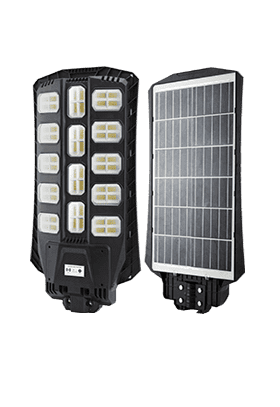
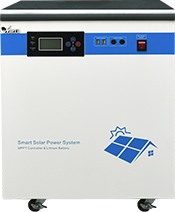


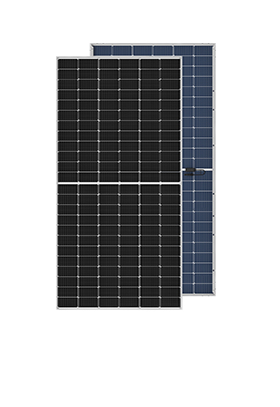
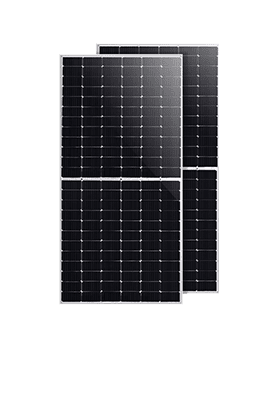
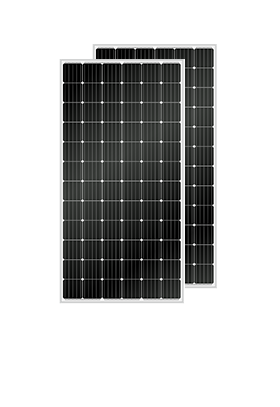
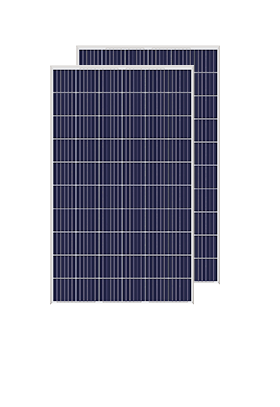


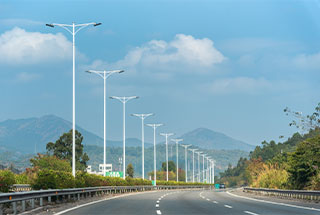
We have cooperated with more than 200 countries in solar energy projects and road lighting projects. We have exported products to many countries and participated in many important government projects around the world.








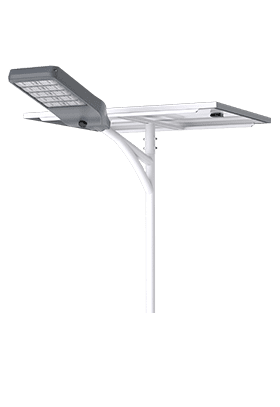
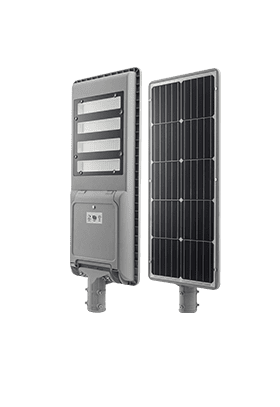
We have cooperated with more than 200 countries in solar energy projects and road lighting projects. We have exported products to many countries and participated in many important government projects around the world.

Anern has 17 years of experience in solar lighting and solar product manufacturing. Anern is headquartered in Guangzhou. With a production base of 30,000 square meters, our company has an R&D team of more than 100 people.
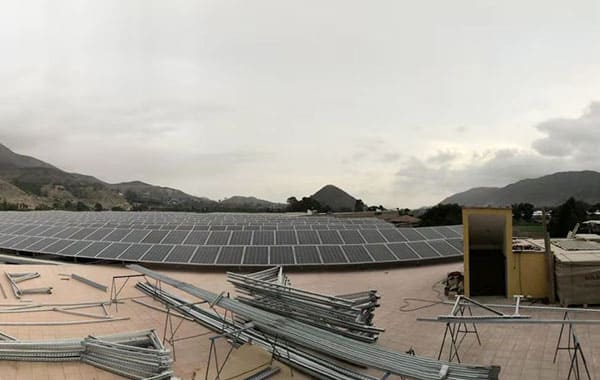
This case shows the deployment of a 300kW off-grid solar power system to support daily production and operations at a newly constructed manufacturing plant in suburban Peru.
Project Name: Peru Off-Grid Solar Power System for Manufacturing Plant
Project Date: October 5, 2023
Project Location: Suburban area of Peru
Application Scenario: Manufacturing facility
System Capacity: 300kW
System Type: Off-grid solar power system with LiFePO4 battery storage
In many suburban and rural areas of Peru, grid electricity remains unstable or insufficient for industrial users. Manufacturing facilities in these regions often face:
Frequent voltage fluctuations
Unplanned power outages
Limited grid expansion capacity
Increased operational risks for continuous production
For newly built plants, relying solely on the local utility grid can lead to production interruptions and higher long-term costs.
The manufacturing plant owner identified several clear objectives before system selection:
Ensure stable and continuous power supply for daily production
Avoid reliance on unstable local utility infrastructure
Control long-term energy costs under local economic conditions
Deploy a system suitable for independent, off-grid operation
Given these requirements, an off-grid solar power system with battery storage was identified as the most practical solution.
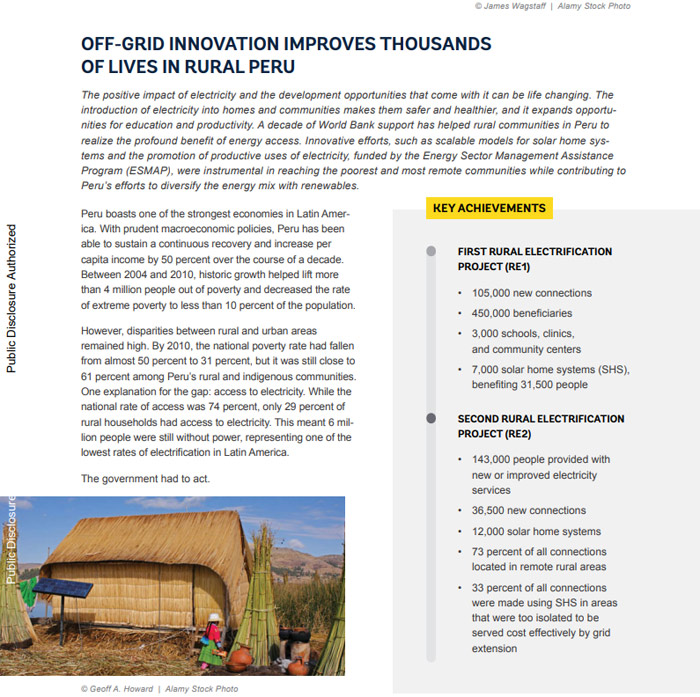
source: https://documents1.worldbank.org/curated/en/541211565721769744/pdf/Off-Grid-Innovation-Improves-Thousands-of-Lives-in-Rural-Peru.pdf
After evaluating local conditions and economic feasibility, the customer selected Anern to provide a customized off-grid solar solution.
Key reasons for selecting a 300kW off-grid LiFePO4 battery solar system included:
Suitability for manufacturing load profiles
High-efficiency solar energy conversion
Compatibility with long charge and discharge cycles
Reduced dependence on external power sources
The system was designed to operate independently from the grid while supporting continuous industrial use.
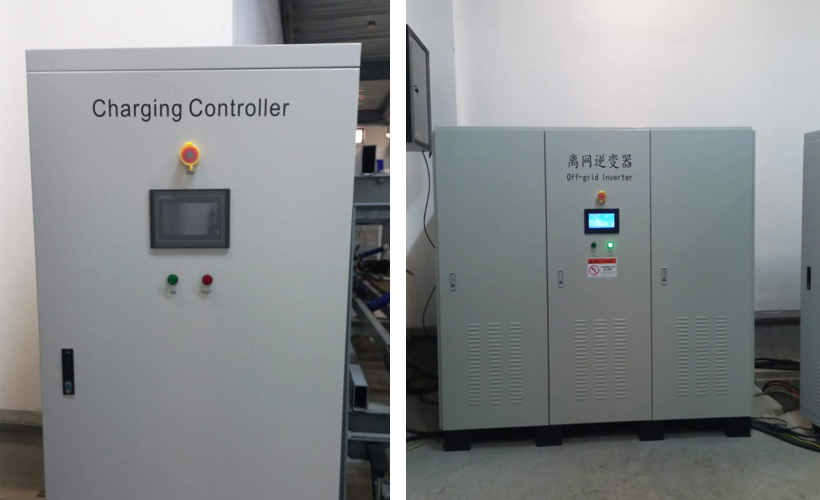
The installed system consists of:
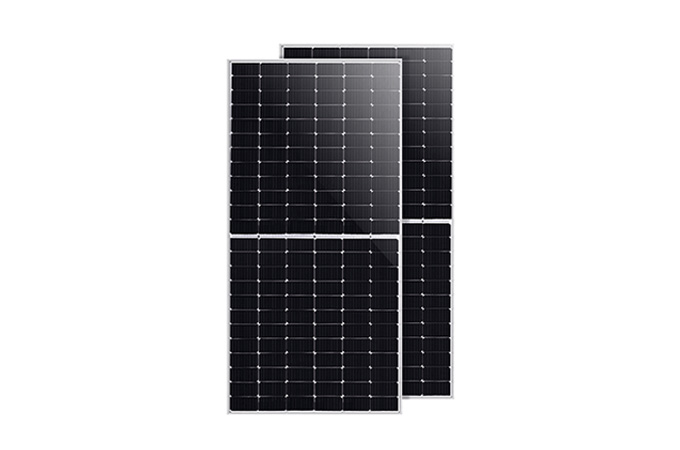
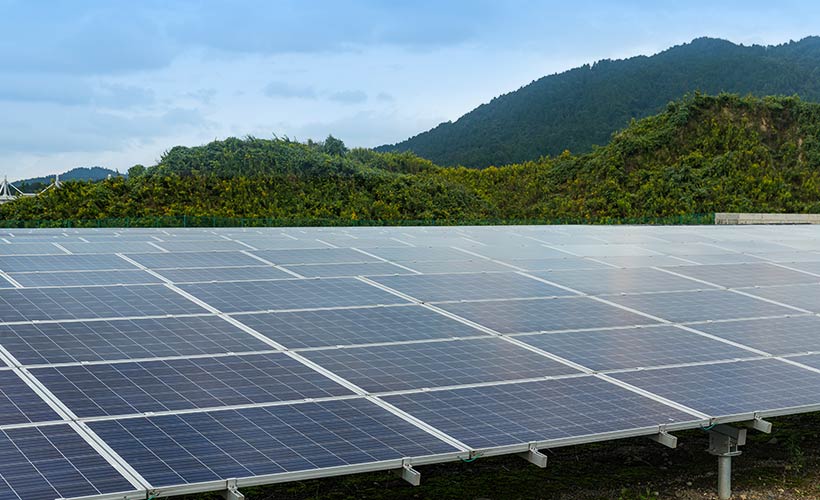
High-efficiency photovoltaic solar panels
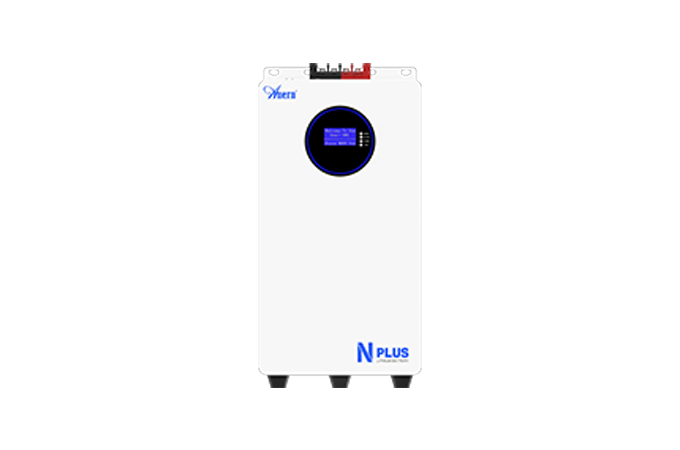
Off-grid inverters designed for industrial applications
LiFePO4 battery storage for energy buffering and backup
Key technical characteristics include:
Stable power output suitable for manufacturing equipment
Efficient solar-to-electricity conversion
Simple system architecture for easier installation and maintenance
Long service life of LiFePO4 battery storage under frequent cycling
This configuration allows the plant to maintain operations even during periods of low solar availability.
The off-grid system was installed at the manufacturing site following standard engineering and safety practices.
Once commissioned, the system was integrated into the plant's daily production workflow, supplying power for:
Core manufacturing equipment
Auxiliary systems
Routine operational loads
After deployment, the 300kW off-grid solar power system delivered measurable benefits:
Resolved power instability issues affecting production
Enabled continuous plant operation without grid dependency
Reduced exposure to utility-related outages
Provided a predictable and controllable energy supply
The project demonstrates how off-grid solar systems can effectively support industrial operations in regions with limited grid reliability.
In October 2023, a 300kW off-grid solar power system was installed at a manufacturing plant in suburban Peru.
The system operates independently from the utility grid.
LiFePO4 battery storage was used for energy buffering and backup.
The project addressed unstable local electricity supply for industrial production.
The system supports daily manufacturing operations with stable power output.
The local utility grid in the project area was unstable and unsuitable for continuous industrial operations, making off-grid operation more reliable.
The system supports a manufacturing plant, including production equipment and auxiliary operational loads.
LiFePO4 batteries offer long cycle life, stable performance, and suitability for frequent charge and discharge in industrial applications.
The system was sized based on the plant’s daily production and operational power demand, making it appropriate for the facility’s load profile.
By operating independently from the grid, the plant avoids outages, voltage fluctuations, and supply interruptions.
Yes. This type of off-grid solar power system is suitable for manufacturing facilities in regions with unreliable or limited grid infrastructure.
This Peru manufacturing project shows how a 300kW off-grid solar power system can provide stable, independent electricity for industrial operations in areas with unreliable grid supply.