EN
 fr
 de
 es
 it
 ru
 pt
 ar
 id
 ms
 uk


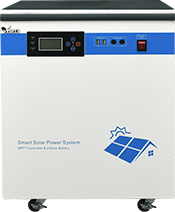


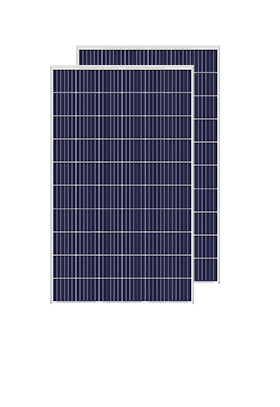



We have cooperated with more than 200 countries in solar energy projects and road lighting projects. We have exported products to many countries and participated in many important government projects around the world.




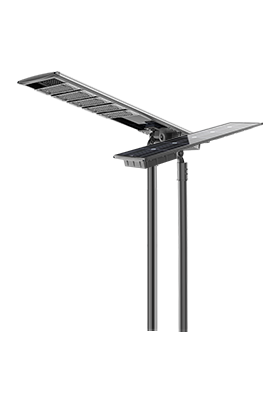


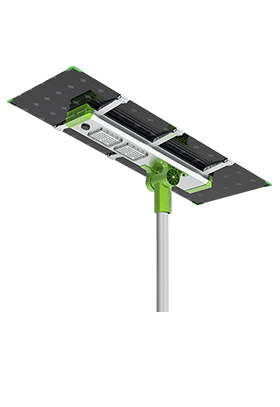
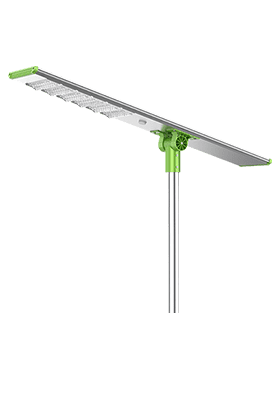
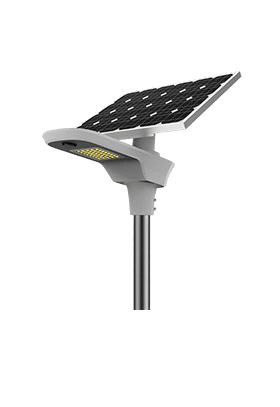


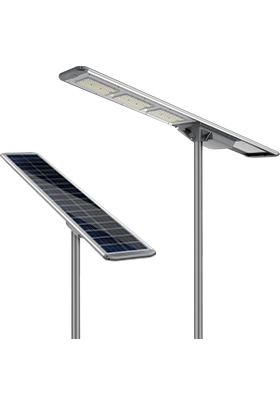
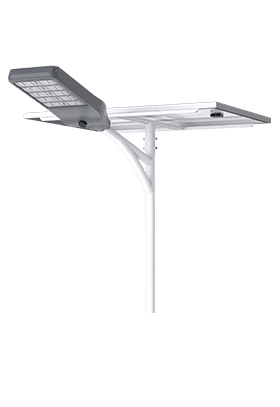
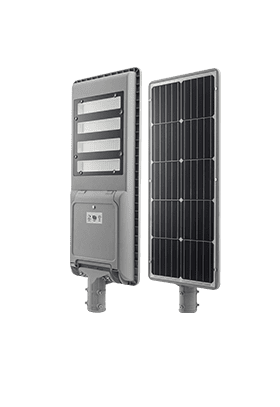
We have cooperated with more than 200 countries in solar energy projects and road lighting projects. We have exported products to many countries and participated in many important government projects around the world.

Anern has 17 years of experience in solar lighting and solar product manufacturing. Anern is headquartered in Guangzhou. With a production base of 30,000 square meters, our company has an R&D team of more than 100 people.
In the rapidly evolving world of energy storage, LiFePO4 (Lithium Iron Phosphate) batteries have emerged as a game-changer, offering a blend of safety, longevity, and efficiency that traditional battery technologies struggle to match. Whether you’re powering a solar energy system, an electric vehicle, or off-grid applications, understanding LiFePO4 technology is essential for making informed decisions.
In this blog, we’ll break down the different LiFePO4 series, compare them to lithium-ion, AGM, and lead-acid alternatives, and share expert tips for selecting, charging, and maintaining your battery—plus why brands like Anern stand out in delivering cutting-edge LiFePO4 solutions. Dive in to unlock the full potential of this revolutionary power source!

A LiFePO4 battery, also known as a lithium iron phosphate (LFP) battery, is a type of rechargeable lithium-ion battery that uses lithium iron phosphate as its cathode material.
LiFePO4 chemistry is widely used in solar energy storage, off-grid power systems, and backup power applications because of its favorable thermal stability and long cycle-life potential.
Compared with some nickel-based lithium-ion chemistries, LiFePO4 generally offers greater resistance to thermally induced thermal runaway. However, no lithium-ion battery chemistry is completely free from fire or thermal runaway risks. Battery safety also depends on cell quality, battery pack construction, the Battery Management System (BMS), charging conditions, and installation.
Battery performance and service life vary according to the product model, depth of discharge, temperature, charging and discharging conditions, and operating environment.
LiFePO4 batteries are available in different voltage classes, capacities, and installation formats. When comparing batteries, both the nominal voltage and capacity should be considered because the same ampere-hour rating can represent different amounts of stored energy.
Anern offers several LiFePO4 battery configurations, including the following published models:
| Anern Model | Nominal Voltage | Rated Capacity | Calculated Nominal Energy |
| AN-LFP12100 | 12.8V | 100Ah Lithium Battery | 1.28kWh |
| AN-LPB-Nplus-24200 | 25.6V | 5.12kWh | |
| AN-LPB-Nplus-48100 | 51.2V | 100Ah Lithium Battery | 5.12kWh |
| AN-LPB-Nplus-48200 | 51.2V | 200Ah Lithium Battery | 10.24kWh |
Nominal energy is calculated as Voltage (V) × Capacity (Ah) ÷ 1,000. Actual usable energy depends on the manufacturer's operating limits and system conditions. Some Anern catalogues show rounded energy classes, such as 5kWh and 10kWh.
Different battery models may also have different charging currents, discharge limits, communication interfaces, and installation requirements.
Explore the Anern lithium battery product range to compare available series and specifications.
LiFePO4 batteries belong to the lithium-ion battery family. They are not a separate battery category outside lithium-ion technology.
Lithium-ion batteries can use different cathode materials. LiFePO4 uses lithium iron phosphate, while other lithium-ion chemistries include lithium nickel manganese cobalt oxide (NMC) and lithium nickel cobalt aluminum oxide (NCA).
These chemistries have different characteristics in terms of energy density, thermal behavior, cost, and cycling performance.
Therefore, a comparison between LiFePO4 and lithium-ion batteries should identify the specific lithium-ion chemistry being compared rather than treating all lithium-ion batteries as one alternative to LiFePO4
LiFePO4 technology provides several characteristics that make it suitable for solar energy storage applications.
Long Cycle-Life Potential: LiFePO4 batteries are designed for repeated charging and discharging. Actual cycle life depends on the battery model and the manufacturer's specified test conditions.
Favorable Thermal Stability: LiFePO4 chemistry offers relatively high thermal stability compared with certain other lithium-ion cathode chemistries. However, proper battery protection, charging control, and installation remain essential.
Usable Energy Storage: LiFePO4 batteries can offer a relatively high usable depth of discharge when operated within the manufacturer's recommended limits.
Lower Routine Maintenance: LiFePO4 battery packs generally do not require the regular electrolyte refilling associated with flooded lead-acid batteries. Inspections and adherence to operating instructions are still necessary.
Flexible System Configurations: LiFePO4 batteries are available in different voltage, capacity, and enclosure configurations for solar storage and backup applications.
The suitability of a particular battery should be evaluated using its actual specifications rather than chemistry-related benefits alone.

Many electric cars and bicycles use LiFePO4 batteries for their superior safety and long lifespan.
These batteries are ideal for solar power storage, offering efficient and reliable storage solutions for homes and businesses.
Due to their long-lasting performance, LiFePO4 12V or 24V configurations are popular in off-grid applications, including RVs, boats, and camping.
They serve as backup power for essential devices during outages, providing uninterrupted power in critical situations.
Choosing the right battery technology can make or break your energy system's performance, cost-efficiency, and safety. LiFePO4 (Lithium Iron Phosphate) batteries stand out as a modern powerhouse, but how do they truly compare to legacy options like lithium-ion, AGM, or lead-acid batteries?
LiFePO4 and NMC are both lithium-ion battery chemistries. They use different cathode materials and offer different technical trade-offs.
| Comparison | NMC Lithium-Ion | LiFePO4 (LFP) |
| Cathode Chemistry | Lithium nickel manganese cobalt oxide | Lithium iron phosphate |
| Energy Density | Can offer higher cell-level energy density | Generally lower cell-level energy density than many NMC designs |
| Thermal Behavior | Thermal characteristics depend on cell composition and design | Relatively high resistance to thermally induced runaway |
| Cycle Life | Cycle performance varies by cell design and operating conditions | Suitable for frequent cycling; actual performance is model-dependent |
| Safety Requirements | Requires suitable BMS, charging protection, and installation | Requires suitable BMS, charging protection, and installation |
| Application Selection | Considered where higher energy density is important, depending on application | Often considered for stationary energy storage |
LiFePO4 is often selected for stationary solar energy storage, where cycle life and thermal stability are important considerations.
However, the performance and safety of the complete battery system depend on more than the cathode chemistry. Cell construction, BMS protection, enclosure design, and operating conditions must also be evaluated.
| Feature | AGM Battery | LiFePO4 Battery |
| Lifespan | 500-1000 cycles | 3000-5000 cycles |
| Energy Density | Lower (heavier for the same energy) | Higher (more energy per unit weight) |
| Maintenance | Requires regular maintenance | Requires minimal maintenance |
| Safety | Risk of leaking or spilling acid | Much safer (less risk of fire) |
| Cost | Lower initial cost | Higher upfront cost |
LiFePO4 batteries are more durable and safe than AGM batteries, though the latter are more affordable in the short term.
| Feature | Lead-Acid Battery | LiFePo4 Battery |
| Lifespan | 300-500 cycles | 3000-5000 cycles |
| Energy Density | Lower (heavier for the same energy) | Higher (more energy per unit weight) |
| Efficiency | Around 85% | 95% or more |
| Maintenance | Requires regular maintenance | No maintenance needed |
| Cost | Lower upfront cost | Higher upfront cost |
Compared to lead-acid batteries, LiFePO4 batteries provide a much longer lifespan, better efficiency, and greater safety, making them a preferred option for modern energy storage.
For solar systems with frequent daily cycling, LiFePO4 batteries are often worth considering because of their usable energy and cycle-life potential.
For occasional backup applications where the initial budget is a major consideration, lead-acid batteries may still be practical.
Battery choices should be based on actual model specifications and the intended application, rather than fixed cycle-life or efficiency figures applied to all products.
For a more detailed comparison, see Lithium Battery vs. Lead-Acid Battery for Solar Energy Storage.
When choosing a LiFePO4 lithium battery, consider the following factors:

Select the voltage that matches your application (12v lifepo4 battery, 24v lifepo4 battery, or 48v lifepo4 battery).

Choose the battery size based on your energy needs (e.g., 100Ah LiFePO4 battery or 200Ah LiFePO4).

Whether you're powering an electric vehicle, solar system, or off-grid setup, pick a battery that suits your power requirements.

The price range for LiFePO4 batteries can vary, so balance your budget against the features and benefits offered.

Opt for a reliable brand like Anern LiFePO4 to ensure quality and support.
Proper charging and maintenance help LiFePO4 batteries maintain reliable performance and a longer service life. Follow these essential practices:
Use Compatible Charging Equipment: Follow the manufacturer's recommended voltage and current limits, and ensure the charger or inverter supports the selected battery.
Monitor Temperature: Charge and operate the battery within its specified temperature range, especially in cold environments.
Maintain Proper Storage Conditions: Inspect the battery regularly, keep it in a suitable dry environment, and follow the manufacturer's storage recommendations.
For additional guidance, see Anern's solar lithium battery maintenance guide.

1. Use a Compatible Charger or Solar Inverter
Always use charging equipment that supports LiFePO4 battery chemistry. Follow the battery manufacturer's specified charging voltage and current limits rather than applying settings intended for other battery types.
2. Check Charging Temperature Limits
Charging and discharging temperature ranges may differ. For example, Anern's AN-LPB-Nplus series specifies a charging temperature range of 0°C to 55°C and a discharging range of -20°C to 60°C. These limits apply to the specified series and should not be treated as universal values for all LiFePO4 batteries.
3. Follow BMS and Charging Requirements
A Battery Management System (BMS) monitors battery operating conditions and provides protective functions. When connecting a battery to a solar inverter, verify charging parameters and BMS communication compatibility. Do not rely on protective functions as a substitute for correct system configuration.
1. Perform Regular Inspections
Inspect the battery enclosure, terminals, and external cables for physical damage, loose connections, corrosion, or unusual heat. Pay attention to any warning indicators or BMS alarms.
2. Maintain Suitable Operating and Storage Conditions
Keep the battery in a clean, dry, and properly ventilated environment. Avoid direct sunlight, excessive heat, moisture, and exposure to corrosive substances. For long-term storage, follow the instructions for the specific battery model and periodically check its condition.
3. Avoid Operating Beyond Battery Limits
Do not exceed the recommended charging or discharging current. The appropriate depth of discharge and minimum state of charge depend on the battery model and its operating requirements. Avoid applying a fixed 20% charge threshold to every LiFePO4 battery.
4. Follow Safe Maintenance Procedures
Do not disassemble battery modules or BMS components. Internal maintenance and battery replacement should be performed by qualified personnel following the manufacturer's safety instructions.
Anern offers LiFePO4 lithium battery products in different voltage classes, capacities, and installation formats for solar energy storage applications.
Its published product range includes:
AN-LFP Series: Lithium battery configurations including 12.8V 100Ah.
AN-LPB-Nplus Series: Wall-mounted lithium battery configurations, including 25.6V 200Ah, 51.2V 100Ah, and 51.2V 200Ah.
AN-LPB-R Series: Rack-mounted lithium battery configurations including 48V 100Ah and 48V 200Ah.
According to the relevant product specifications, these series incorporate battery management functions, while some models also support communication interfaces for system integration.
Buyers should compare the published specifications of the selected model, including operating voltage, energy capacity, maximum charging and discharging currents, communication requirements, and installation conditions.
Explore the Anern lithium battery product range to review available configurations.
Yes, LiFePO4 batteries require a charger specifically designed for them. Unlike lithium-ion batteries, LiFePO4 batteries have a different voltage profile and charging algorithm. Using an improper charger can lead to undercharging, overcharging, or reduced lifespan. A LiFePO4 battery charger ensures optimal charging efficiency and safety.
No, LiFePO4 batteries are one of the safest types of lithium batteries available. Unlike traditional lithium-ion batteries, they have a stable chemical structure that minimizes the risk of overheating, thermal runaway, or combustion. This makes them an excellent choice for applications requiring high safety standards, such as solar energy storage, electric vehicles, and home power systems.
Yes, LiFePO4 batteries are safe for indoor use. They do not emit toxic gases, are highly resistant to overheating, and have built-in Battery Management Systems (BMS) to prevent overcharging and short circuits. Many homeowners use 12v lifepo4 battery, 24v lifepo4 battery, or 48v lifepo4 battery for indoor solar systems and backup power.
Key parameters of a LiFePO4 battery include:
Voltage: Common options include 12v lifepo4 lithium battery, 24v lifepo4 100ah, and 48v lifepo4 battery.
Capacity (Ah): Measured in amp-hours (Ah), such as 100ah lifepo4 battery, 200ah lifepo4 battery, or lifepo4 300ah.
Cycle Life: Typically 2000-5000 charge cycles, much longer than lead-acid batteries.
Charge/Discharge Rate: Determines how quickly the battery can be charged or discharged.
Operating Temperature: Ensures performance in different environments.
To test LiFePO4 battery capacity, follow these steps:
Fully charge the battery using a proper LiFePO4 battery charger.
Use a battery analyzer or watt-hour meter to discharge the battery at a controlled rate.
Record the total energy output (Ah or Wh) until the battery reaches its cutoff voltage.
Compare the measured capacity with the rated capacity (e.g., lifepo4 100ah should deliver close to 100Ah).
A LiFePO4 lithium battery typically lasts 10-15 years or 2000-5000 charge cycles, depending on usage and maintenance. Compared to lead-acid batteries, which last only 300-500 cycles, LiFePO4 batteries offer superior longevity, making them a cost-effective choice in the long run.