EN
EN
 fr
fr  de
de  es
es  it
it  ru
ru  pt
pt  ar
ar  id
id  ms
ms  uk
uk 



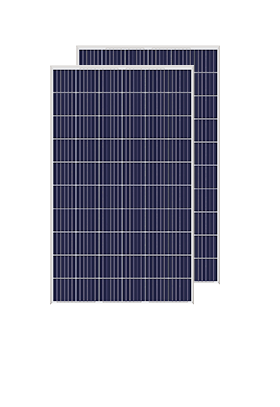


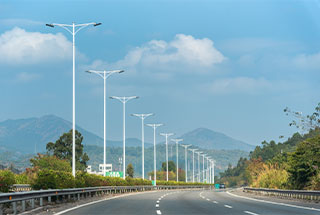
We have cooperated with more than 200 countries in solar energy projects and road lighting projects. We have exported products to many countries and participated in many important government projects around the world.




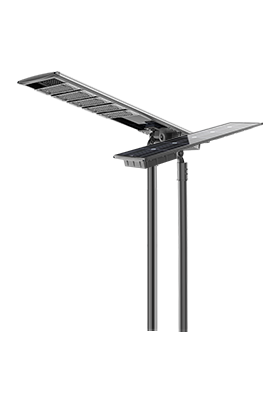


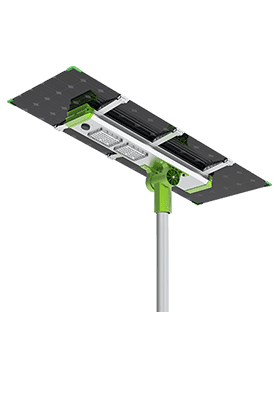
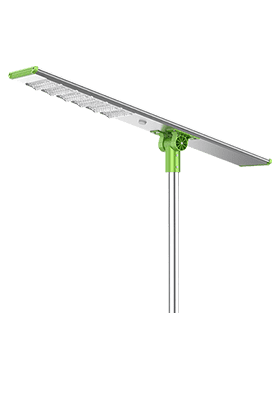
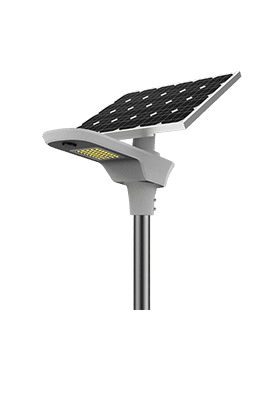


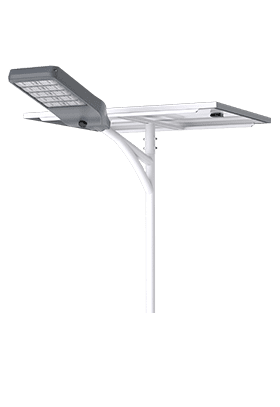
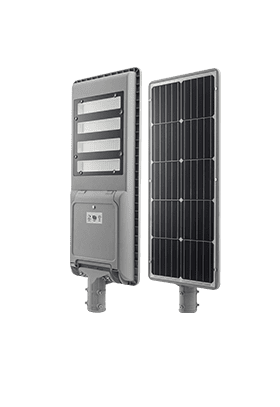
We have cooperated with more than 200 countries in solar energy projects and road lighting projects. We have exported products to many countries and participated in many important government projects around the world.

Anern has 17 years of experience in solar lighting and solar product manufacturing. Anern is headquartered in Guangzhou. With a production base of 30,000 square meters, our company has an R&D team of more than 100 people.
Solar street lights are transforming public and private outdoor lighting by offering a clean, independent, and economical alternative to conventional grid-powered systems. As municipalities, developers, and businesses prioritize sustainability and cost reduction in 2026, understanding the differences between solar-powered LED street lights and traditional options is crucial. Anern, a trusted global manufacturer, provides high-performance all-in-one and split-type solar LED street lights featuring efficient monocrystalline or dual-glass solar panels, long-life LiFePO4 batteries, and intelligent controllers. This detailed comparison covers their operation, real-world performance, costs, installation, and advanced features to help you decide which solution best fits your needs.
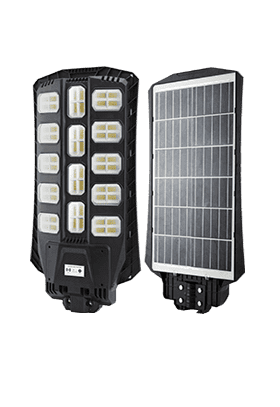
How do solar lights work? Anern solar lights function as self-contained, off-grid lighting units that convert sunlight into electricity during the day and deliver bright illumination at night without relying on utility infrastructure. Each light integrates several key components: a high-efficiency solar panel on top, a durable LED lamp head, a built-in or external LiFePO4 lithium battery for energy storage, and a smart MPPT controller that optimizes charging and discharging.
The daily cycle is straightforward yet highly efficient. Sunlight strikes the solar panel, generating direct current (DC) electricity that charges the battery. As daylight fades, an integrated photocell sensor automatically activates the high-lumen LED array, which can deliver 150–210 lumens per watt for superior brightness with minimal energy use. Advanced models from Anern, such as the AN-SLZ series or SLV all-in-one designs (ranging from 40W to 200W+), include features like adjustable mounting brackets, multiple lighting modes (full brightness, dimming, or motion-activated), and weatherproof IP65/IP66-rated housings made from aluminum alloy for corrosion resistance.
In contrast, traditional street lights depend on constant grid electricity supplied through underground cables or overhead lines. They typically use older high-pressure sodium, metal halide, or outdated LED bulbs that draw power continuously and require extensive supporting infrastructure like transformers and switchgear. This fundamental difference makes solar lights far more flexible for remote roads, parks, residential communities, and new developments where grid extension would be prohibitively expensive.
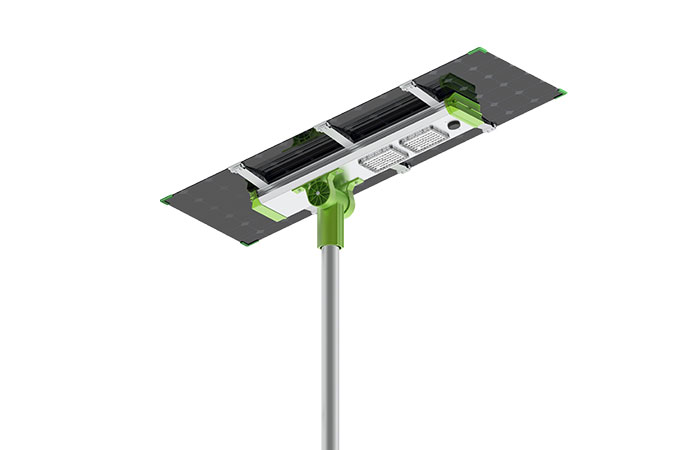
Do solar street lights need direct sunlight? While peak performance occurs under clear skies, modern solar lights do not strictly require direct sunlight. They are engineered to harvest diffuse and scattered light effectively.
Will solar lights charge on a cloudy day? Yes — high-quality panels continue to generate 10–40% of their rated capacity depending on cloud thickness and panel technology. Anern’s advanced photovoltaic modules maintain strong low-light performance, ensuring reliable daily charging even in regions with frequent overcast conditions.
Do solar lights work in winter? They perform reliably throughout the year. LiFePO4 batteries maintain good efficiency in cold temperatures (down to -20°C or lower with proper design), and systems often incorporate larger panels or smart energy-saving modes to compensate for shorter daylight hours. In snowy environments, panels can be installed at steeper angles to promote snow sliding and include self-cleaning coatings. Real-world deployments in northern climates demonstrate consistent operation when properly sized.
Solar Street Lights vs Traditional Street Lights Performance Comparison Table:
Aspect | Solar Street Lights (Anern) | Traditional Street Lights | Winner |
Energy Source | Renewable solar + battery storage | Grid electricity (fossil fuel dependent) | Solar |
Weather Resilience | Excellent in varied conditions | Dependent on grid stability | Solar |
Light Quality & Control | High-efficiency LEDs with dimming & sensors | Fixed high consumption | Solar |
Independence from Grid | Complete autonomy | Vulnerable to blackouts | Solar |
Environmental Impact | Zero operational emissions | High carbon footprint | Solar |
Adaptability | Ideal for remote & new areas | Best for dense urban grids | Context-dependent |
This comparison highlights solar lights’ superiority in flexibility and sustainability.
How to charge solar lights without sun? During prolonged cloudy or rainy periods, several practical solutions exist. You can use a compatible DC adapter connected to a portable power station, vehicle inverter, or supplemental solar panel. Many Anern models support hybrid charging inputs for emergency top-ups. Smart controllers also maximize every available watt of ambient light.
Runtime is impressive with modern lithium technology. A fully charged Anern solar street light can operate for 3–5 nights or 10–14+ hours of continuous lighting per charge, depending on wattage and mode. Motion sensors and timed dimming (e.g., 100% for first few hours, then 30–50% brightness) extend this significantly. LiFePO4 batteries used in Anern lights offer 2,000–6,000+ deep cycles, far outperforming older lead-acid options, with built-in BMS (Battery Management Systems) for overcharge, over-discharge, and temperature protection.
Traditional lights have unlimited runtime as long as the grid is active but suffer from high energy consumption and complete failure during power outages — a common issue in many regions.
While solar street lights often carry a higher initial investment, their total cost of ownership is dramatically lower over time.
Initial Cost, Long-term Operating Expenses and Lifespan Comparison Table:
Metric | Solar Street Lights (Anern) | Traditional Street Lights |
Initial Purchase & Install Cost | $300–$1,500 per unit (all-inclusive) | $200–$900 + $500–$2,000 wiring/installation |
Annual Electricity Cost | $0 | $100–$400+ per light |
Maintenance & Replacement Cost | Very low (cleaning & occasional checks) | High (bulbs, wiring, labor) |
How long do solar lights last? | 10–25+ years (LEDs 50,000+ hours) | 5–15 years (frequent component failures) |
Payback Period | 2–5 years | No payback — ongoing expenses |
Lifetime Savings (per light) | $2,000–$8,000+ over 15 years | Continuous high costs |
Anern’s robust construction, including die-cast aluminum and tempered glass, ensures longevity even in harsh environments. Savings come from eliminated electricity bills, reduced labor for bulb replacements, and no need for expensive grid infrastructure.
How to clean solar lights is simple and infrequent. Every 3–6 months (or after heavy dust/pollen seasons), gently wipe the solar panel with a soft cloth or sponge using mild soap and clean water. Rinse thoroughly and allow to dry. Avoid harsh chemicals or abrasive pads that could scratch the protective glass. Many Anern models feature anti-dust, self-cleaning surfaces that reduce maintenance frequency.
Installation is one of solar’s biggest advantages. No trenching, cabling, or transformers are required. Typical steps include:
1. Mounting the pole securely.
2. Attaching the all-in-one light fixture at the correct height and angle for optimal sun exposure.
3. Adjusting the panel tilt according to latitude.
4. Activating the system and testing sensors.
A professional team can install multiple units in a single day, dramatically cutting labor costs compared to traditional systems. Anern provides comprehensive Solar Street Light Installation Guides and technical support.
Maintenance is minimal: annual visual inspections, panel cleaning, and battery health checks via built-in indicators or remote monitoring. Troubleshooting common issues is user-friendly — dim output usually means cleaning the panel or checking for obstructions, while no operation may indicate a need to verify battery charge or sensor alignment. Most problems are resolved quickly without specialized tools.
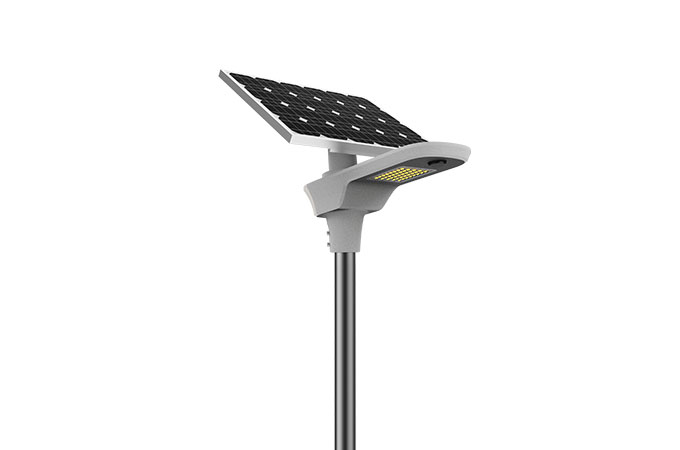
Smart city lighting solutions represent the future of urban infrastructure, and solar street lights are perfectly positioned to lead this transition. Anern’s intelligent models integrate IoT connectivity, allowing centralized remote control, real-time performance monitoring, and data analytics through mobile apps or cloud platforms. Features include adaptive dimming based on traffic or pedestrian movement, scheduled brightness adjustments, fault alerts, and integration with broader smart city ecosystems for traffic management or environmental sensing.
These capabilities can reduce energy consumption by an additional 30–60% while improving public safety through consistent, reliable lighting. Cities worldwide are adopting solar smart lighting for new developments, retrofits, and rural electrification projects, achieving both environmental goals and significant budget savings.
Final Verdict: Solar street lights from Anern clearly outperform traditional street lights in almost every meaningful category — lower long-term costs, easier deployment, greater reliability, and environmental benefits. Whether for municipal projects, commercial properties, or residential communities, investing in quality solar lighting delivers immediate and lasting value. Explore Anern solar lights and smart solutions to illuminate your spaces sustainably and efficiently.