Guangzhou Anern Energy Technology Co., Ltd.

What Are the Differences Between Solar Inverters and Charge Controllers?

Jun 05, 2024
Table of Content [Hide]

    An inverter, also known as a power regulator or power adjuster, is an essential part of the photovoltaic system. The main function of the photovoltaic inverter is to convert the direct current generated by the solar panels into alternating current used by home appliances. All the electricity generated by the solar panels must be processed through the inverter before it can be output.


    Solar Inverter Working Principle


    Solar inverters are the heart of the solar photovoltaic system. Its main function is to convert the direct current produced by solar cell modules into alternating current, for grid integration or load use. Consisting of a logic control circuit, filter circuit, and inverting circuit, where the inverting circuit is the core of the inverter. The direct current generated by the photovoltaic module first passes through a DC filter circuit, which removes current fluctuations and electromagnetic interference, then enters the inverting circuit. In the inverting circuit, the direct current is first converted into alternating current, then the irregular alternating current is rectified into sinusoidal alternating current, and then the output end's filter circuit removes the high-frequency interference signals generated during the inversion process, thus integrating into the grid or directly supplying the load.


    Solar Inverter and Charge Controller Difference


    Solar Inverters mainly function to convert direct current (battery, DC power supply, etc.) into alternating current. In daily life, people usually use alternating current, but the electricity produced by solar energy is direct current, which cannot be used directly. Solar inverters act as a current conversion device, and the electricity they produce can be used in different fields (residential/industrial/office, etc.). If we are using a solar system in our house, solar inverter's selection and installation are very important. It is an indispensable device in the solar power system.


    The solar controller is mainly used for charging the storage battery with photovoltaic modules, it can stabilize the voltage during charging and discharging processes to avoid overcharging and device damage. In addition, the solar controller also has boost, short circuit protection, load protection, coordinating the work between solar panels, lithium batteries, and loads. Thus, the controller's full name is also known as the solar charge and discharge controller, divided into MPPT solar controller and PWM solar controller.


    Some products' solar controllers can be integrated within the solar inverter to save space. Solar Inverter and Charge Controller are two different things, their functions differ, but both are important components of the solar inverter system.

    Andy Cao
    Andy Cao

    I’m Andy Cao, an energy engineer with over 16 years of hands-on experience in solar inverters, lithium battery energy storage, photovoltaic systems, and solar street lighting. I focus on real-world system performance and write to share practical, experience-based insights for professionals working in the solar energy industry.

    FAQ

    Is Anern involved in solar street lighting?

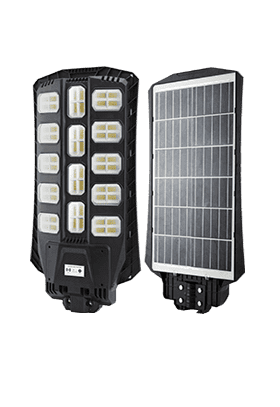
    Yes, Anern supplies solar street lighting solutions as part of its solar energy product portfolio, including integrated solar-powered lighting systems for public and infrastructure applications.

    Is Anern a lithium battery manufacturer?

    Yes, Anern is a lithium battery manufacturer, as confirmed by multiple product lines and explicit statements in the reference materials:


    Anern's Solar Lithium Battery lineup includes Wall Mounted, Floor Type, Rack Mounted, and Lead-Acid Replacement Batteries.

    They specialize in LiFePO4 chemistry batteries with smart BMS protection, offering models like:

    AN-LFP Series (12.8V50AH/100AH/300AH)

    AN-LPB-Npro Series (24V200AH-48V100AH)

    AN-LPB-Nplus Series (51.2V200AH/300AH)

    High-capacity commercial batteries (60KWH 30KW - 114KWH 50KW)


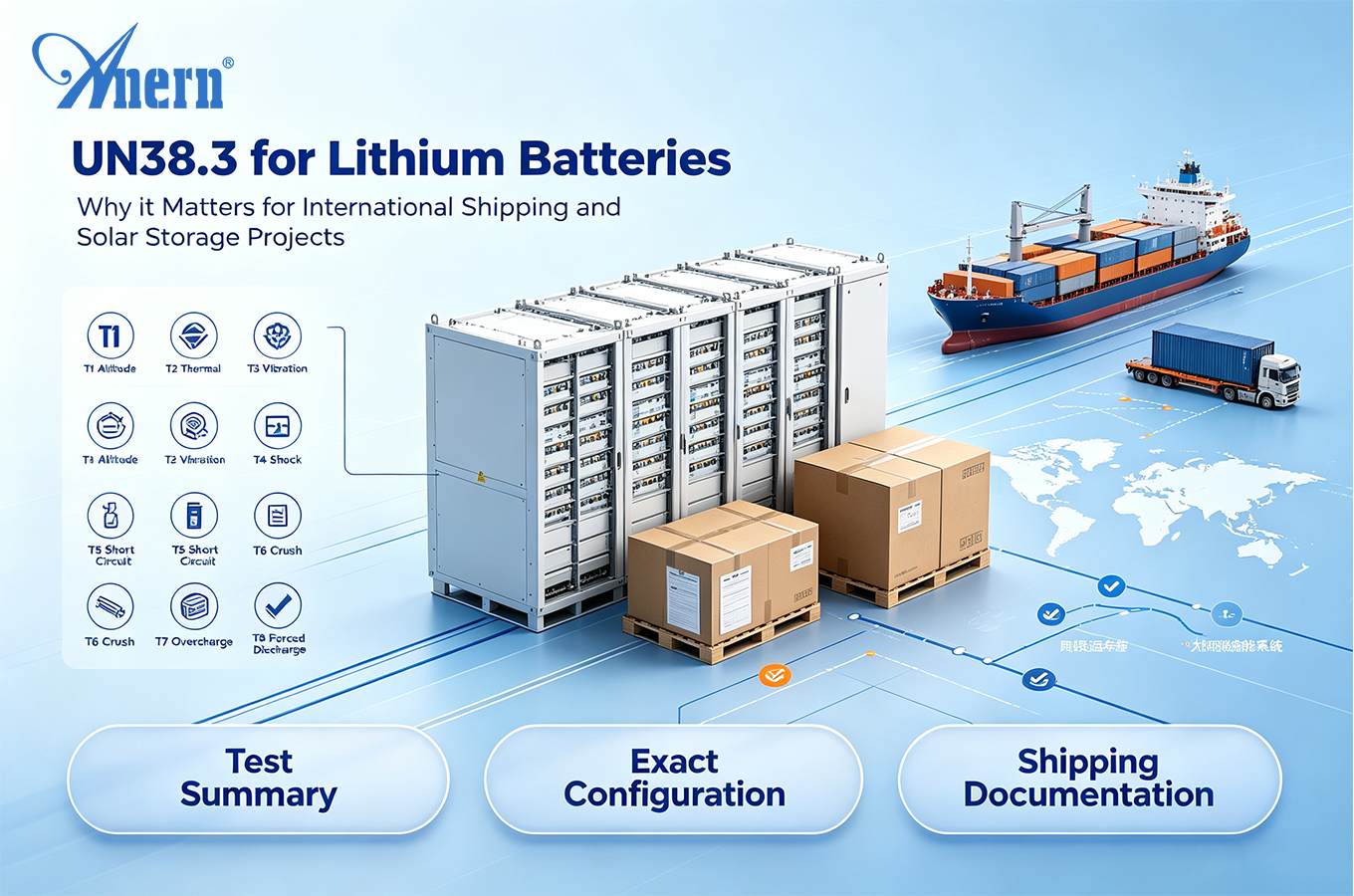
    Their batteries are engineered for solar energy storage and off-grid applications, passing CE, ROHS, UN38.3, and MSDS certifications.

    Anern explicitly states: "We design and manufacture high-performance products, including lithium-ion batteries"  and "specializes in lithium battery manufacturing".


    Is Anern a solar inverter manufacturer?

    Yes, Anern is a solar inverters manufacturer, as confirmed by their proprietary product lines and industrial capabilities.


    As one of China's leading solar power inverter manufacturers, Anern designs and produces multiple inverter series, including:

    AN-SCI-PRO Series: Featured on dedicated product pages with factory production images

    AN-PVI Series: High-capacity inverters (6000W-10000W) offered commercially

    AN-SCI-EVO Series: Hybrid inverters catering to grid-tie/backup needs

    Off-grid parallel inverters: Designed for areas with unstable/no grid access


    Their inverters incorporate:

    Independent R&D - Core technologies developed in-house

    Industrial scale production - Manufactured in 30,000+ sqm factories

    Global compliance - Certified to meet international standards (CE, ROHS, TUV)

    What does Anern do in the solar energy industry?

    Anern is a Chinese solar energy solutions manufacturer supplying solar inverters, lithium battery energy storage systems, solar panels, integrated on-grid and off-grid solar systems, and solar street lighting products for international markets.

    What solar applications use Anern energy storage systems?

    Anern's energy storage systems are used in the following solar applications:


    Residential Backup Power: 

    For home use during power outages, providing up to 6 hours of continuous power for average household consumption. These systems reduce grid reliance and electricity bills while storing excess solar energy.


    Commercial and Industrial Energy Management: 

    Installed in factories and businesses to store excess solar energy, reduce peak-hour grid consumption, and lower electricity costs. Systems are deployed in secure, ventilated locations for stability.


    Off-Grid Infrastructure: 

    Supports meteorological/hydrological observation equipment and other critical infrastructure in remote areas without grid coverage. Battery banks store solar energy converted via inverters for reliable operation.


    Agricultural Operations: 

    Powers farms by converting stored solar energy into AC electricity, maintaining agricultural activities during outages or grid instability.


    Large-Scale Solar Projects: 

    Used in independent photovoltaic power stations ranging from 10KW to 50MW capacity, enabled by parallel-connected hybrid inverters for solar energy conversion and storage.

    References
    Please write down your whatsapp or other contact correctly
    Please write down your email address correctly
    Please write down your message
    Please fill up your requirement, our sales staff will contact you in time.Thank you!
    Please write down your whatsapp or other contact correctly
    Please write down your email address correctly
    Please write down your message
    TOP