EN
EN
 fr
fr  de
de  es
es  it
it  ru
ru  pt
pt  ar
ar  id
id  ms
ms  uk
uk 

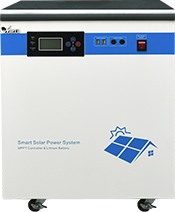


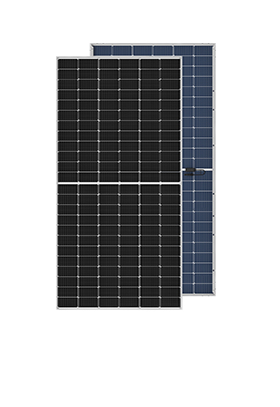
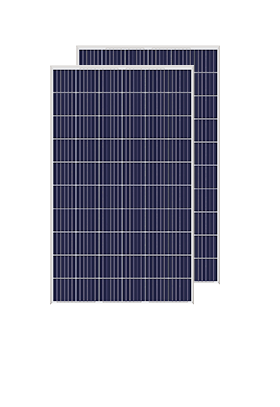



We have cooperated with more than 200 countries in solar energy projects and road lighting projects. We have exported products to many countries and participated in many important government projects around the world.




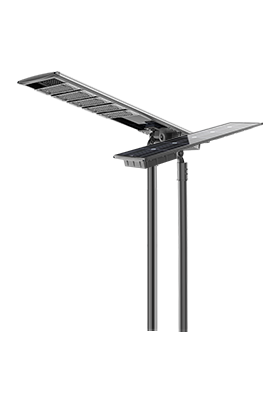


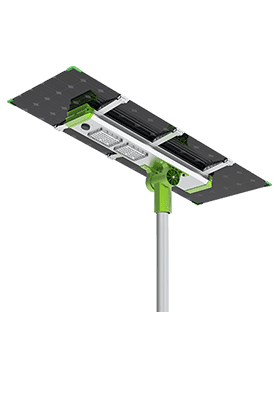
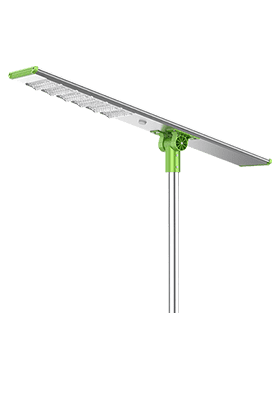
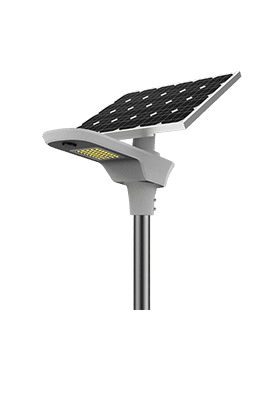


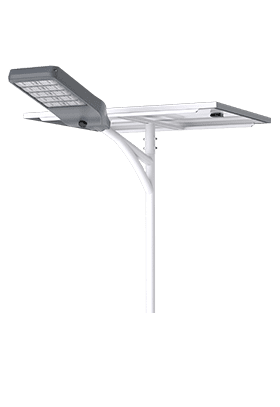
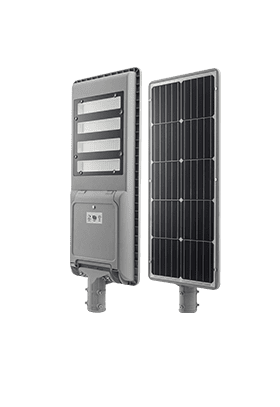
We have cooperated with more than 200 countries in solar energy projects and road lighting projects. We have exported products to many countries and participated in many important government projects around the world.

Anern has 17 years of experience in solar lighting and solar product manufacturing. Anern is headquartered in Guangzhou. With a production base of 30,000 square meters, our company has an R&D team of more than 100 people.
Solar energy storage systems have become a cornerstone of modern renewable setups, enabling homeowners and businesses to store excess solar energy for use during peak hours, outages, or nighttime. With advancing lithium technology and falling prices, are solar batteries worth it in 2026? This guide explores what is solar battery, how do solar batteries work, costs, sizing, selection criteria, and ROI to help you decide. Anern’s LiFePO4 lithium batteries — including wall-mounted, rack-mounted, and commercial high-voltage series — offer reliable, long-cycle solutions for residential and larger installations.
A solar battery is a rechargeable energy storage device designed to capture and hold electricity generated by solar panels for later use. Unlike traditional lead-acid batteries, Anern lithium batteries predominantly use lithium iron phosphate (LiFePO4) chemistry for superior safety, efficiency, and lifespan.
How do solar batteries work? In a typical system, solar panels produce DC electricity during daylight. A charge controller or hybrid inverter directs excess power to the battery bank. Inside the battery, chemical reactions store energy: during charging, lithium ions move from the cathode to the anode; during discharge, they flow back, releasing electrons to power loads through an inverter that converts DC to AC.
Anern’s batteries feature advanced Battery Management Systems (BMS) that monitor voltage, temperature, current, and state of charge in real-time. This prevents overcharging, deep discharging, and thermal runaway. Key advantages include 6,000+ cycles at 80% depth of discharge, high round-trip efficiency (95%+), and compatibility with 12V, 24V, 48V, and high-voltage systems. Wall-mounted models like the AN-LPB-Nplus series (51.2V 200-300Ah) and rack-mounted options provide scalable storage from 5kWh to hundreds of kWh for commercial use.
System Architecture Diagram (conceptual overview): Solar Panels → MPPT Charge Controller/Hybrid Inverter → Solar Battery Bank (with BMS) → Inverter Output → Home Loads / Grid. Backup circuits ensure seamless transition during outages.
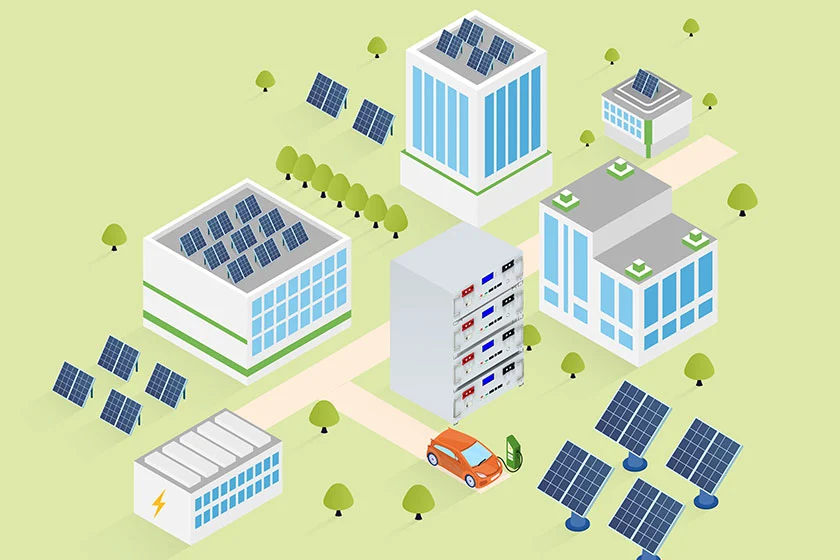
Solar battery pricing in 2026 ranges from $150–$400 per usable kWh, depending on chemistry, capacity, and features. Anern’s LiFePO4 options are competitively priced for both residential and commercial applications.
Typical costs:
Small residential (5-10 kWh): $1,500–$4,000 for battery only.
Medium home backup (10-20 kWh): $3,000–$8,000.
Commercial/high-voltage systems (50-200+ kWh): Significantly higher but with better per-kWh economics.
Installation adds 10-20% depending on complexity. Incentives, tax credits, and bundling with solar systems can reduce net costs by 30-50%. Anern provides complete solar energy storage systems, including portable and integrated options, for turnkey value.
Are solar batteries cost effective? For many users, yes — especially in areas with high electricity rates, frequent outages, or time-of-use billing. Benefits include energy independence, peak shaving, and backup power.
Key savings:
Store excess daytime solar production for evening use, maximizing self-consumption.
Avoid expensive grid draw during peak pricing.
Provide seamless backup during blackouts.
ROI Formula: ROI (%) = (Total Savings - Total Investment) / Total Investment × 100
Payback Period Formula: Payback Period = System Cost / Annual Energy Savings
Annual savings vary by location and usage but often range from $500–$2,000+ per year for a well-sized residential system through reduced bills and incentives.
Regional Comparison Table (approximate annual savings potential):
Region/Type | Electricity Rate | Typical Savings (10kWh system) | Payback Period | Key Drivers |
High-cost (e.g., CA, EU) | $0.25–$0.40/kWh | $1,200–$2,500 | 4-7 years | TOU rates, incentives |
Moderate (most US) | $0.12–$0.20/kWh | $600–$1,200 | 6-9 years | Outage protection |
Lower-cost / Sunny | $0.08–$0.15/kWh | $400–$900 | 8-12 years | Self-consumption focus |
Anern batteries accelerate ROI through high cycle life and low degradation.
How much solar battery storage do I need? Base it on your critical loads, daily consumption, and autonomy goals (hours/days of backup).
Sizing guidelines:
Basic backup (essentials like fridge, lights, fans): 5-10 kWh.
Whole-home moderate use: 10-20 kWh.
Full off-grid or heavy loads (EV, AC): 20-50+ kWh.
Calculate: Daily kWh usage × desired autonomy days × (1 / max DoD). For example, 30 kWh daily consumption needing 1-day backup at 90% DoD requires ~33-35 kWh usable capacity. Anern’s solar battery calculator and scalable modules (100-300Ah) make precise matching easy.
What is the best batteries for solar power? LiFePO4 stands out for safety (non-flammable), longevity, and efficiency over NMC or lead-acid alternatives.
Selection criteria:
Voltage compatibility: Match your inverter (12V/24V/48V/high-voltage).
Capacity & scalability: Modular designs like Anern’s wall/rack series allow parallel/series expansion.
Cycle life & warranty: 6,000+ cycles and 10+ year warranties.
BMS features: Advanced protection and communication (CAN/RS485) for hybrid inverters.
Temperature tolerance & certifications: Critical for outdoor or extreme climates.
Anern lithium battery excels with floor/wall options, high energy density, and seamless integration with their inverters and panels. Consider depth of discharge, charge/discharge rates (C-rate), and certifications (UL, CE).
Related Comparison Table: Battery Types for Solar
Battery Type | Cycle Life | Efficiency | Safety | Cost per kWh | Best For |
LiFePO4 (Anern) | 6,000+ | 95%+ | Excellent | Medium | Long-term residential/commercial |
NMC Lithium | 2,000-4,000 | 90-95% | Good | Lower | High power density |
Lead-Acid | 500-1,000 | 70-80% | Moderate | Lowest | Budget, short-term |
How to choose the right solar panel and battery involves balancing generation and storage. Oversize panels slightly (1.2-1.5x inverter rating) to charge batteries effectively. Pair Anern high-efficiency panels with their lithium batteries and hybrid inverters for optimal performance.
Steps:
1. Assess energy audit and load profile.
2. Size panels for daily production.
3. Size batteries for autonomy and peak demands.
4. Select compatible hybrid inverter with MPPT.
5. Integrate monitoring for optimization.
Anern’s off-grid home systems (4-10kW with lithium batteries) and commercial storage solutions provide pre-engineered compatibility.
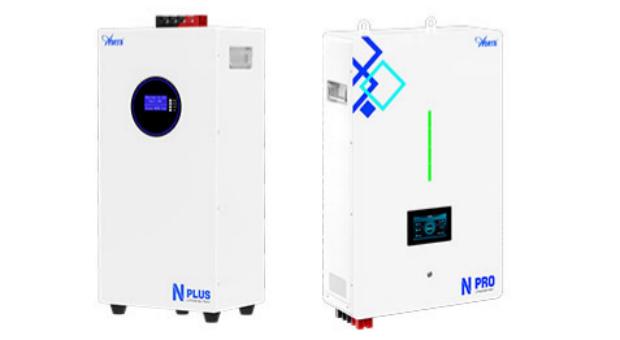
If you experience high rates, frequent outages, or want maximum solar self-consumption, the answer is increasingly yes. Declining costs, improving technology, and policy support make solar batteries a smart investment for long-term energy resilience and savings. Anern’s reliable, high-performance lithium solutions, backed by strong warranties and global project experience, minimize risks while maximizing benefits. Consult their experts, use sizing tools, and evaluate local incentives before purchasing.
With proper planning, solar energy storage systems deliver substantial value, turning your solar array into a true 24/7 power solution.