EN
EN
 fr
fr  de
de  es
es  it
it  ru
ru  pt
pt  ar
ar  ms
ms  id
id 

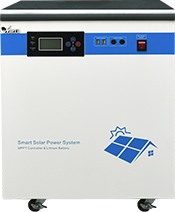


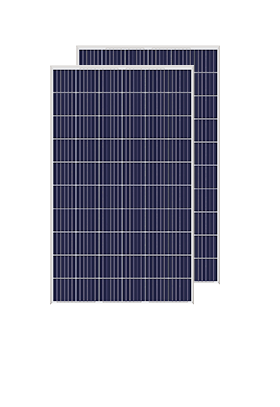



We have cooperated with more than 200 countries in solar energy projects and road lighting projects. We have exported products to many countries and participated in many important government projects around the world.




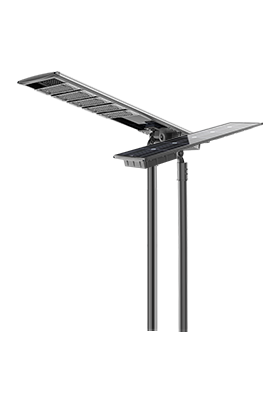


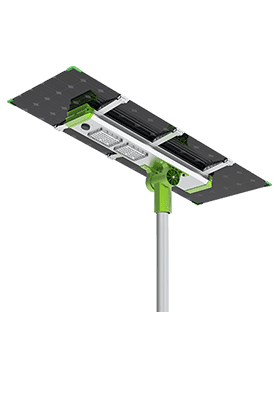
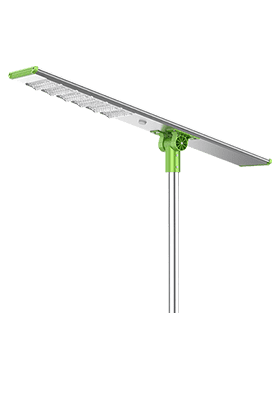
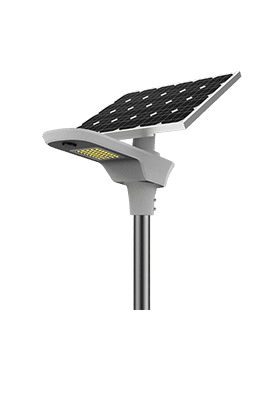


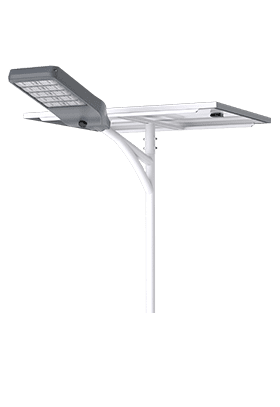
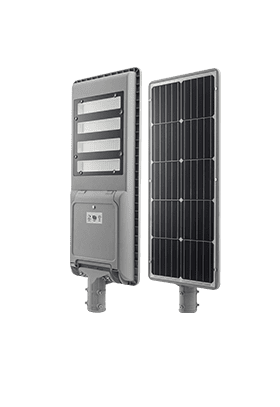
We have cooperated with more than 200 countries in solar energy projects and road lighting projects. We have exported products to many countries and participated in many important government projects around the world.

Anern has 17 years of experience in solar lighting and solar product manufacturing. Anern is headquartered in Guangzhou. With a production base of 30,000 square meters, our company has an R&D team of more than 100 people.
Battery compatibility for hybrid solar inverters is not only about matching battery voltage. Buyers should also verify the communication interface, communication cable, BMS settings, protocol compatibility and inverter function settings before shipment. RS485 and RS232 are common communication interfaces, but they do not automatically guarantee that every lithium battery can communicate successfully with every inverter.
Many solar inverter buyers assume that a lithium battery is compatible as long as the battery voltage matches the inverter input voltage.
In real projects, this is not enough.
A hybrid solar inverter and lithium battery may have the same voltage range but still fail to communicate correctly because the inverter and battery use different communication methods, different protocol settings, different cable definitions or different BMS parameters.
For distributors, this can create commissioning delays, after-sales complaints and warranty disputes after installation.
That is why battery compatibility should be verified before quotation approval, sample testing and bulk shipment.
RS485 and RS232 are communication interfaces used for data exchange between the solar inverter and battery management system.
In a hybrid solar inverter system, communication may allow the inverter to receive important battery information, such as:
Battery state of charge
Battery voltage
Battery current
Charging limit
Discharging limit
Battery temperature
Alarm status
Protection status
However, RS485 or RS232 only describes the communication interface. It does not automatically mean that the inverter and battery use the same communication protocol.
In other words:
Same voltage does not always mean compatible.
Same communication interface does not always mean compatible.
The exact inverter model, battery model, cable and protocol settings must be verified together.
BMS stands for Battery Management System.
The BMS protects the lithium battery and manages its operating status. In a hybrid solar system, the BMS may communicate with the inverter so that the inverter can charge and discharge the battery safely.
When communication works correctly, the inverter can better understand the battery status and adjust operation accordingly.
When communication fails, the system may show battery alarms, charging errors, unstable operation or limited system performance.
This is why BMS communication should be treated as a procurement requirement, not only an installation detail.
Not all solar lithium batteries from different manufacturers can communicate successfully with every solar inverter.
Even when the battery uses RS485 or RS232, the actual communication may depend on:
Protocol compatibility
Cable pin definition
Inverter software setting
Battery BMS setting
Supported battery brand or model
Firmware version
Communication address
Baud rate or parameter configuration
For this reason, buyers should not assume that a third-party lithium battery will communicate successfully without model-specific confirmation.
If a project requires lithium battery communication, buyers should confirm compatibility with the inverter supplier before placing the order.
| Verification Item | What Buyers Should Check | Procurement Risk |
| Battery voltage | Confirm battery voltage range matches inverter requirements | Charging mismatch |
| Battery type | Lithium, lead-acid or other battery type | Wrong charging logic |
| Communication interface | Verify whether RS485 or RS232 is required | Communication failure |
| Communication cable | Confirm cable type, wiring and pin definition | Commissioning failure |
| BMS settings | Check battery communication and protection settings | Battery alarm or unstable operation |
| Protocol compatibility | Confirm inverter and battery use compatible protocol | Third-party battery communication failure |
| Inverter function settings | Verify battery type and communication mode in inverter settings | Incorrect charging or communication behavior |
| Sample testing | Test inverter and battery together before bulk purchase | After-sales disputes |
Battery communication issues often appear during commissioning instead of quotation.
Common problems include:
The inverter cannot detect the battery
The battery shows communication failure
The inverter displays battery alarm codes
Charging or discharging does not start correctly
SOC value is not displayed correctly
The system works in voltage mode but not communication mode
The communication cable is connected incorrectly
The battery protocol is not supported by the inverter
The inverter setting does not match the battery type
Many of these issues can be avoided by testing the exact inverter and battery combination before shipment.
Before placing a bulk order, distributors should test the actual inverter and battery configuration whenever possible.
| Test Item | What to Validate |
| Battery voltage | Confirm normal charging and discharging range |
| Communication interface | Test RS485 or RS232 connection |
| Communication cable | Verify cable wiring and connector definition |
| BMS communication | Confirm inverter can read battery information |
| SOC display | Check whether state of charge is displayed correctly |
| Charging behavior | Confirm charging current and protection logic |
| Alarm handling | Test battery warning or protection response |
| Parameter settings | Confirm inverter battery mode and communication settings |
| Restart test | Check whether communication restores after restart |
| Load test | Test system behavior under real load conditions |
Before importing hybrid solar inverters with lithium batteries, buyers should request:
Battery voltage range confirmation
Supported communication interface
Battery compatibility information
Communication cable guidance
BMS setting instructions
Model-specific confirmation for the intended battery brand
For distributors, the safest approach is to verify the inverter and battery combination before shipment. This reduces installation risk, after-sales cost and customer complaints.
No. Battery voltage is only one part of compatibility. For lithium battery systems, buyers should also verify communication interface, BMS settings, protocol compatibility, communication cable and inverter function settings.
Not necessarily. RS485 is a communication interface, not a complete compatibility guarantee. The inverter and battery must also use compatible communication protocols and correct cable settings.
RS485 and RS232 are different communication interfaces used for data exchange between devices. In solar inverter battery systems, the exact interface requirement depends on the inverter model and battery BMS design.
Communication may fail because of incompatible protocols, incorrect cable wiring, unsupported battery model, wrong inverter settings, BMS parameter differences or firmware mismatch.
Yes. Distributors should test the intended inverter and battery combination before bulk purchase, especially for lithium battery projects. Sample testing helps identify communication and setting problems before shipment.
Need help checking battery compatibility for your solar inverter project?
Contact Anern to request solar inverter specifications, user manuals, wiring diagrams, battery compatibility guidance or project solution support.