EN
EN
 fr
fr  de
de  es
es  it
it  ru
ru  pt
pt  ar
ar  ms
ms  id
id 

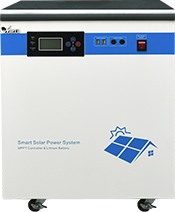


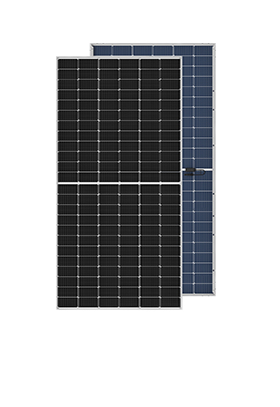
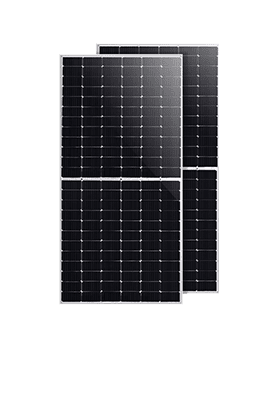
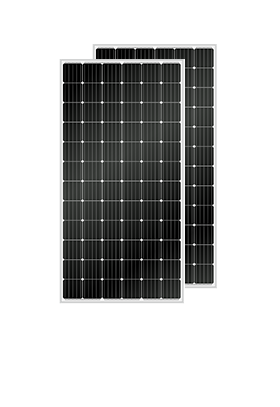
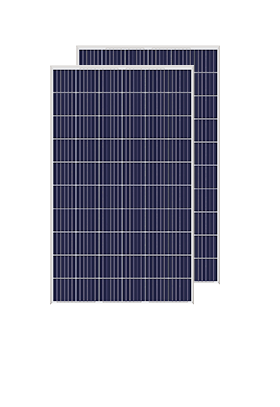


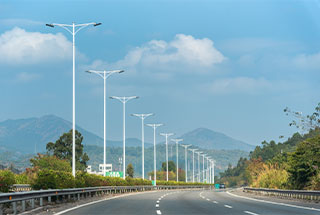
We have cooperated with more than 200 countries in solar energy projects and road lighting projects. We have exported products to many countries and participated in many important government projects around the world.




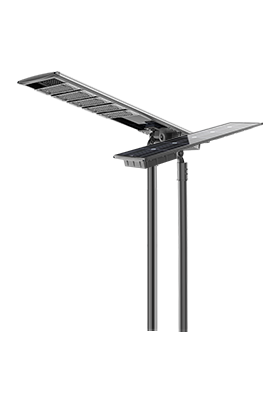


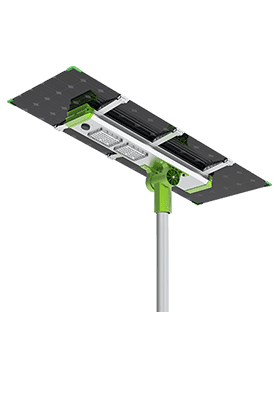
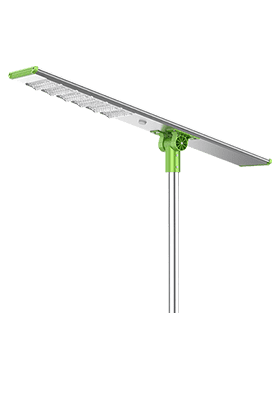
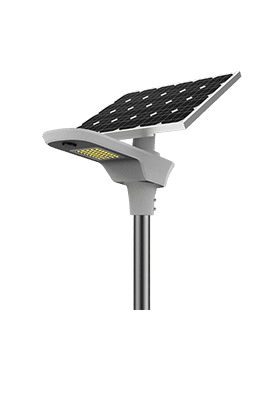


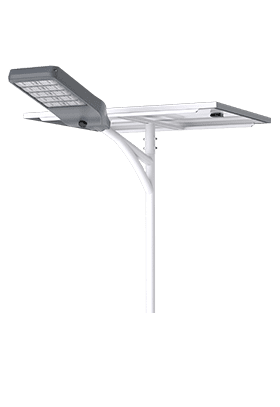
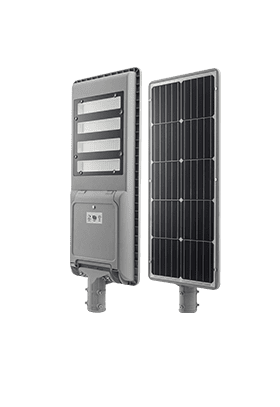
We have cooperated with more than 200 countries in solar energy projects and road lighting projects. We have exported products to many countries and participated in many important government projects around the world.

Anern has 17 years of experience in solar lighting and solar product manufacturing. Anern is headquartered in Guangzhou. With a production base of 30,000 square meters, our company has an R&D team of more than 100 people.
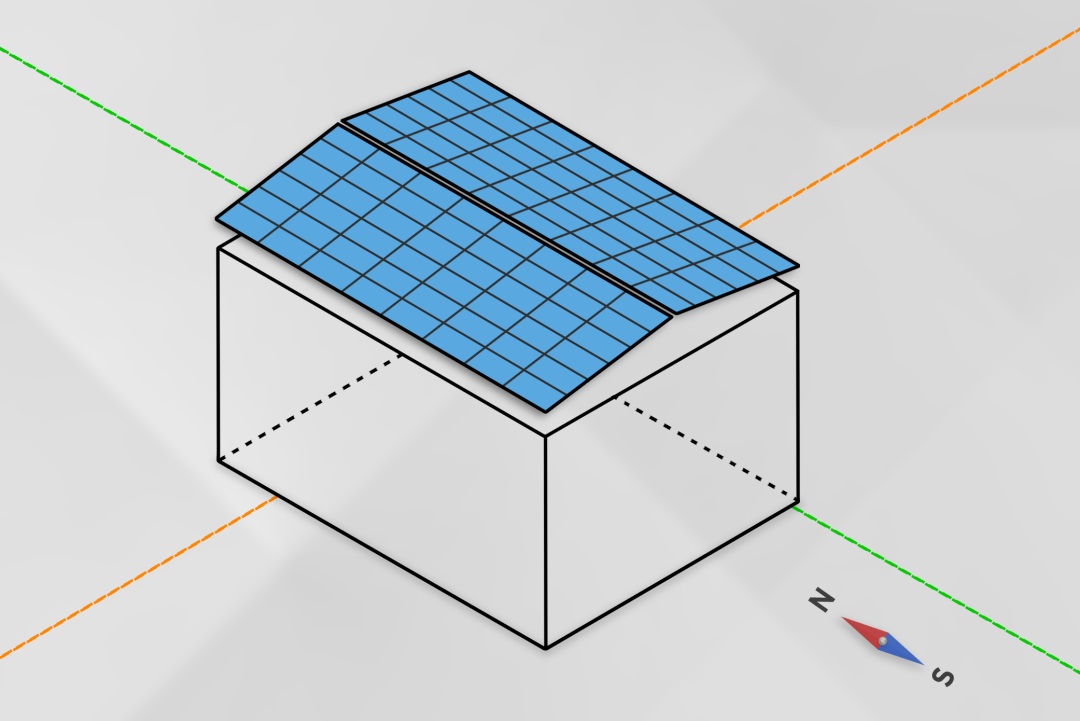
As we all know, when installing a photovoltaic system on a rooftop,the orientation of the Anern solar panels has a significant impact on the system's power generation. Taking the Northern Hemisphere as an example, photovoltaic modules should ideally be installed to face true south. This direction maximizes solar energy reception. However, in practical applications, due to building layout constraints and available space,Anern solar panels often cannot all be installed in the optimal orientation. This is particularly common in residential photovoltaics, where panels may also be installed on roofs facing east and west.
So, what is the impact of installing photovoltaic panels facing east and west on power generation?
In traditional string inverter systems, due to the series connection between Anern solar panels, the system is often influenced by the "short board effect." When a string of modules is distributed across multiple orientations, reduced efficiency in one set of modules can affect the power generation of the entire string, thereby affecting the output of photovoltaic modules on roofs with different orientations.
However, facing multiple orientations of houses, we can solve this problem by using a micro-inverter system. The micro-inverter system adopts a module-level input design and has independent maximum power point tracking (MPPT) functionality, which can entirely eliminate the "short board effect" and ensure that eachsolar panel operates independently. Even when modules are installed on roofs facing different directions, each module's output can be optimized, ensuring that the power generation of modules on different roofs does not affect each other and minimizing the power generation loss caused by multiple orientations.
Using PVsyst simulation experiments, we conducted a study on the rooftopsolar storage systems in Zhejiang, China in the Northern Hemisphere. In the experiment, we installed 20 570W photovoltaic modules on both east-facing and west-facing roofs, with a tilt angle of 15 degrees and a total system capacity of 22.8kW. The experiment compared the power generation differences under the same conditions of a string inverter system and a micro-inverter system using two different types of inverters. Here are the simulation results from one winter day's power generation data:
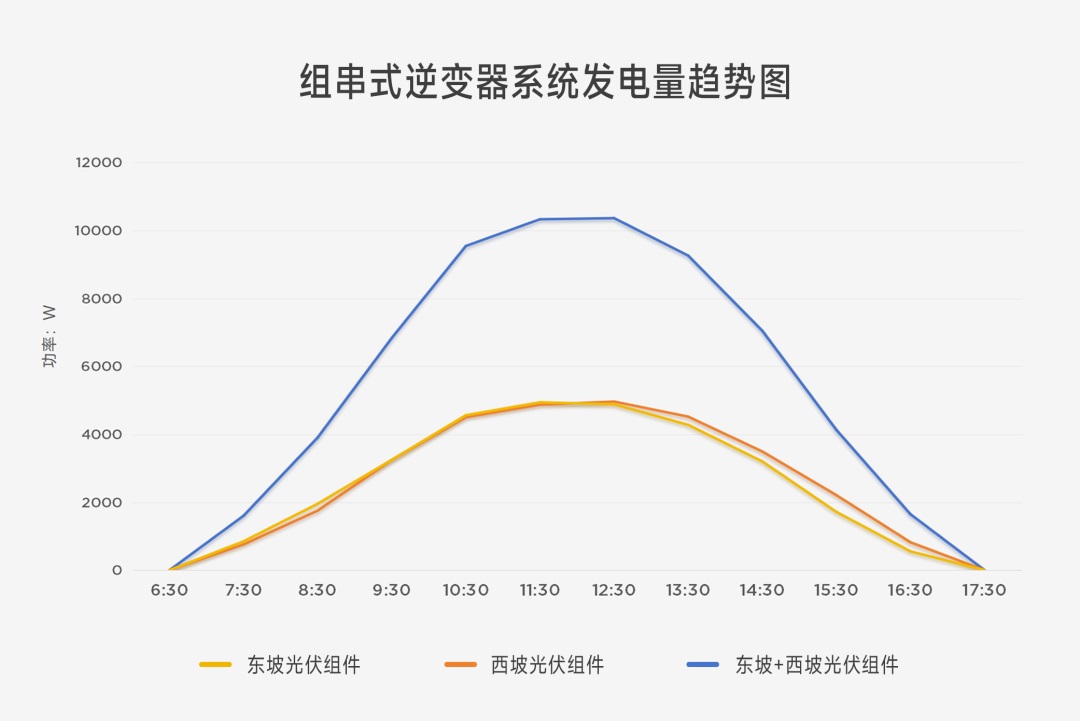
East-facing power generation: 30.19 degrees, West-facing power generation: 31.14 degrees, total power generation: 61.33 degrees. The power generation curves for east and west slopes almost completely overlap.
East-facing power generation: 35.57 degrees, West-facing power generation: 36.29 degrees, total power generation: 71.86 degrees. By comparing the power generation curves of east and west slopes, we can see that in the morning the east slope generates significantly more power than the west slope, while in the afternoon the west slope generates significantly more power than the east slope.
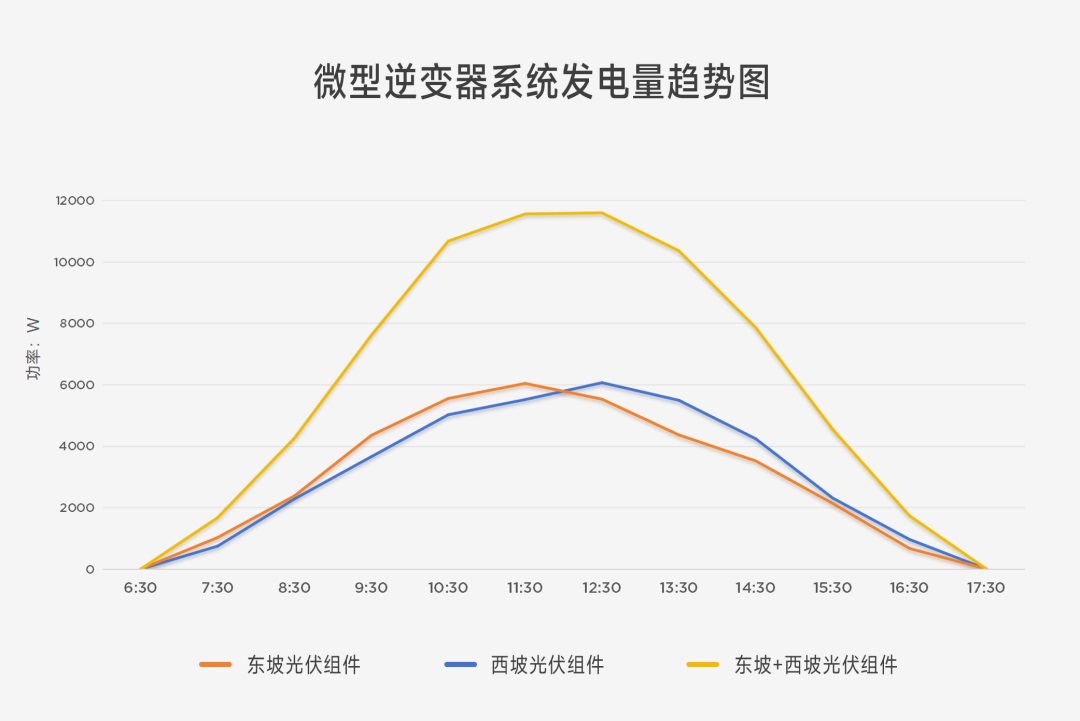
From the simulation experiment results above, we can see that the east and west-facing Anern solar panels in the string inverter system generate less power throughout the day compared to the micro-inverter system. The main reason is that in the morning, with the sun rising from the east, the east-facing modules receive strong solar irradiation, while the west-facing modules receive weaker solar irradiation. In the string inverter system, due to the "short board effect," the power generation of the east-facing modules is limited by the weaker irradiance received by the west-facing modules, and vice versa in the evening. Thus, the power generation of east and west-facing modules is always consistent; in contrast, in the micro-inverter system with module-level MPPT functionality, each module operates independently. In the morning, the east-facing modules receive more solar irradiation and generate more power than the west-facing modules, while in the afternoon, the west-facing modules generate more power than the east-facing modules. Each module always runs independently and outputs at the optimal power point.
In summary, from the calculation data, in this experiment, the string inverter system generated 10.53 degrees less power compared to the micro-inverter system, with a difference of 14.7%. The 22.8kW solar storage system incurs a daily power generation loss of 10 degrees due to the east-west orientation. If this is extended over a year, the power generation loss is about 3800 degrees, which will severely impact the system power generation and revenue.