EN
EN
 fr
fr  de
de  es
es  it
it  ru
ru  pt
pt  ar
ar  id
id  ms
ms  uk
uk 



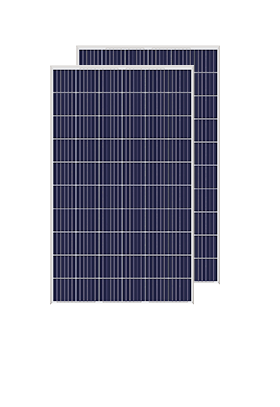


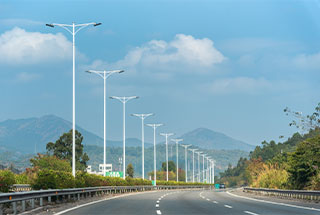
We have cooperated with more than 200 countries in solar energy projects and road lighting projects. We have exported products to many countries and participated in many important government projects around the world.




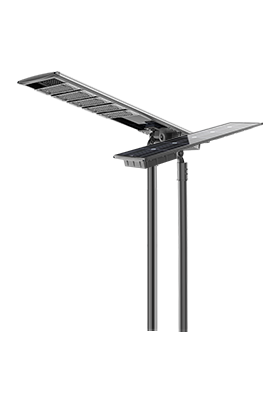


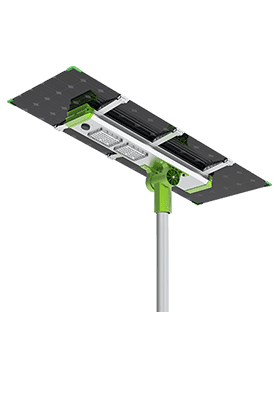
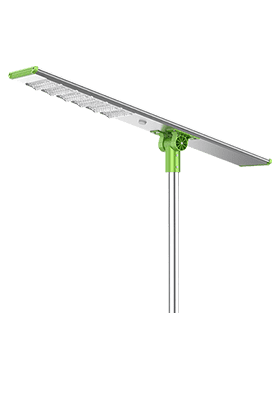
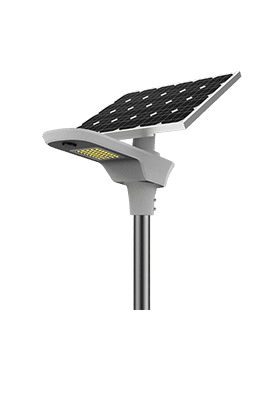


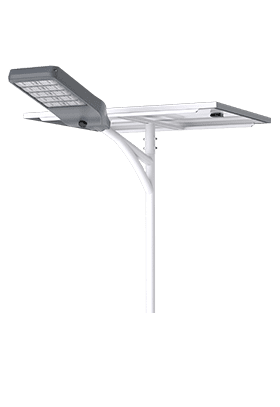
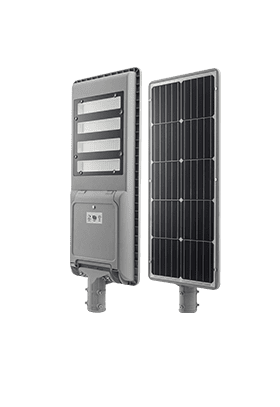
We have cooperated with more than 200 countries in solar energy projects and road lighting projects. We have exported products to many countries and participated in many important government projects around the world.

Anern has 17 years of experience in solar lighting and solar product manufacturing. Anern is headquartered in Guangzhou. With a production base of 30,000 square meters, our company has an R&D team of more than 100 people.
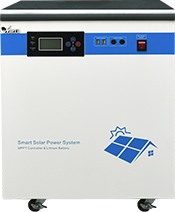
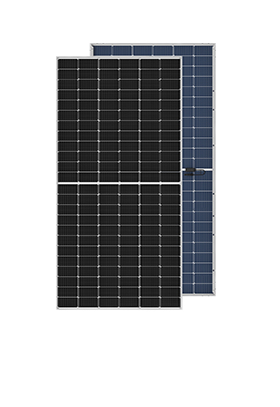
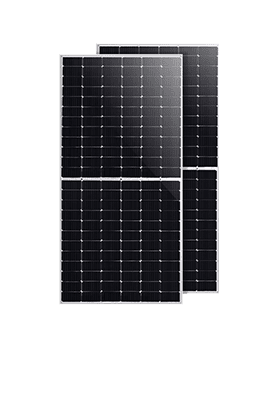
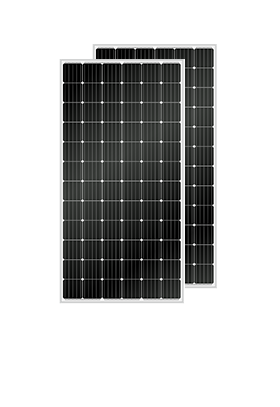
With the continuous pursuit of renewable energy, off-grid solar power system has become a popular energy choice. This system converts sunlight into electricity through solar photovoltaic panels and converts DC power into AC power through inverters, providing power for homes, businesses, or other facilities. Unlike traditional grid-connected systems, off-grid solar power systems operate independently, bringing many unique advantages to users.
Independent Power Supply
The core feature of off-grid power supply solutions is independent power supply, free from the constraints of the public power grid. This ensures the reliability and stability of power supply, free from the interference of public power grid failures and power outages.
High Reliability
Off-grid power supply solutions using renewable energy or energy storage devices have high reliability and stability. The system can provide continuous power supply while reducing environmental pollution and energy consumption.
Energy Saving and Environmental Protection
The use of renewable energy helps reduce dependence on traditional energy sources and achieve energy saving and emission reduction. Off-grid power supply solutions not only contribute to environmental protection but also effectively utilize renewable energy, reducing the depletion of natural resources.
High Flexibility
Off-grid power supply solutions have strong flexibility and can be customized and configured according to user needs and scenarios. This provides users with personalized and flexible power supply solutions.
Economic Benefits
Although the construction and maintenance of off-grid systems are relatively expensive, users can reduce electricity costs by reducing reliance on the public power grid. The use of renewable energy can also obtain government subsidies and tax incentives, improving the economic benefits of the system.
Off-Grid Solar Power Systems also face some challenges while pursuing independent energy:
High Costs
The cost of building and maintaining off-grid solar power systems is relatively high. This is mainly because the system requires independent equipment, such as solar photovoltaic panels, inverters, and battery packs, and the cost of purchasing and installing these devices is high.
Limited Storage Capacity
The storage capacity of off-grid systems is limited and may not meet the demand for large-scale or long-term power consumption. During low energy production at night or consecutive cloudy days, the storage device may not provide enough power.
High Technical Requirements
Building off-grid systems requires certain professional knowledge and technical capabilities, involving the design and operation of solar power generation equipment, energy storage equipment, inverters, etc. This places high technical requirements on users.
When considering building off-grid solar power systems, the following factors need to be comprehensively considered:
Component Selection
Choose suitable components such as solar photovoltaic panels, inverters, and energy storage batteries to ensure system performance and reliability.
Space Requirement
Evaluate the scale and composition of the system, determine the installation location and surrounding environment to ensure the safe operation of the system.
Power Demand
Consider daily electricity demand, seasonal electricity demand, and sudden power demand to determine the scale, capacity, and energy storage equipment requirements of the system.
Maintenance and Cost-effectiveness
Develop a regular maintenance plan, evaluate the overall investment cost and cost-effectiveness of the system to ensure its long-term stable operation.
Building off-grid solar power systems is an important step towards independent energy. Through scientific planning and comprehensive consideration, users can maximize the advantages of off-grid systems and achieve environmentally friendly, reliable, and economical power supply.