EN
EN
 fr
fr  de
de  es
es  it
it  ru
ru  pt
pt  ar
ar  id
id  ms
ms  uk
uk 



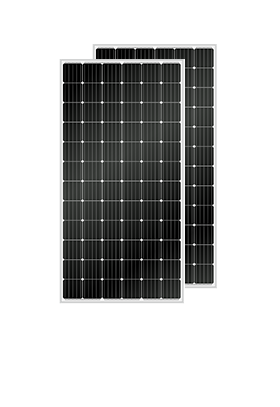
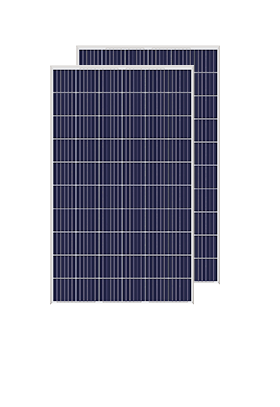



We have cooperated with more than 200 countries in solar energy projects and road lighting projects. We have exported products to many countries and participated in many important government projects around the world.




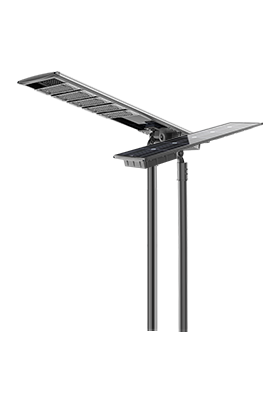


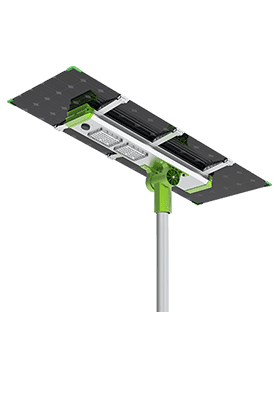
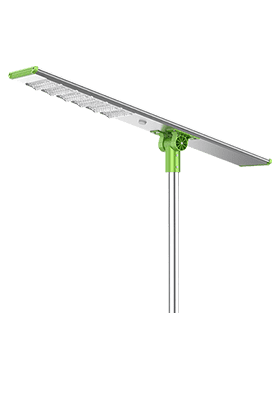



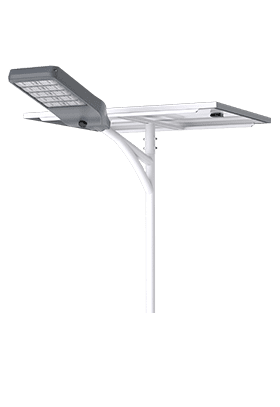
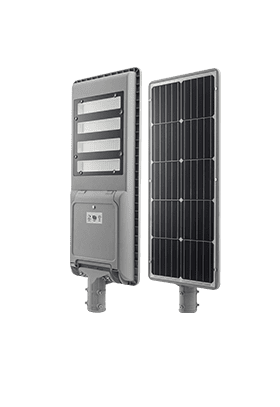
We have cooperated with more than 200 countries in solar energy projects and road lighting projects. We have exported products to many countries and participated in many important government projects around the world.

Anern has 17 years of experience in solar lighting and solar product manufacturing. Anern is headquartered in Guangzhou. With a production base of 30,000 square meters, our company has an R&D team of more than 100 people.
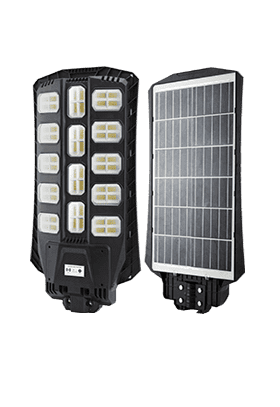
Solar Street Lanterns use crystalline silicon solar cells for power supply, maintenance-free valve-regulated sealed batteries (gel batteries) for energy storage, ultra-bright LED lamps as the light source, and are controlled by intelligent charge and discharge controllers, to replace traditional public power lighting street lights. There is no need to lay cables, no AC power supply, and no electricity costs.Solar Street Lanterns installation mainly consists of four parts: foundation construction, battery component installation, battery installation, and lamp installation. Let's take a look at the specific steps below.
Survey the geological conditions, if it is all loose soil within 1.2 meters of the surface, then the excavation depth should be deepened. Also, confirm that there are no other facilities (such as cables, pipelines, etc.) below the excavation location, and that there are no objects above the street lamp that shade it for a long time, otherwise, relocate as needed.
Reserve (excavate) a standard 1.3-meter-deep pit at the lamp post position; proceed with embedding part positioning and pouring. Place the embedding part in the center of the square pit, position one end of the PVC conduit in the middle of the embedding part and the other end in the battery storage location. Ensure the embedding part, foundation, and original ground are on the same level (or the top of the screw rod is on the same level as the original ground, as required by the site), with one side parallel to the road to ensure the lamp pole stands upright and not skewed. Then fix it with C20 concrete, continuously vibrate with a vibrating rod during the pouring process to ensure overall solidity and firmness.
After construction, timely clean the residual mud on the positioning board and use waste oil to clean impurities on the bolts.
During the concrete solidification, water it regularly for curing; wait until the concrete is fully solidified (generally more than 72 hours) before proceeding with lamp installation.
Take measures to avoid short circuits before connecting the positive and negative outputs of the solar panel to the controller in the system of solar street lamp.
The connection of the solar cell module and the bracket should be firm and reliable.
The output line of the module should avoid exposure and be fastened with a cable tie.
The direction of the battery module must face due south, as indicated by a compass.
When placing the battery in the control box, handle it carefully to prevent damaging the control box.
The connecting wires between the batteries must be fastened on the battery terminals with bolts, and use copper washers to enhance conductivity.
After connecting the output wires to the battery, it is strictly prohibited to cause a short circuit under any circumstances to avoid damaging the battery.
The output wires of the battery connected to the controller inside the lamp post must go through a PVC conduit.
After completing the above steps, check the wiring at the controller terminal to prevent short circuits. Once normal, close the control box door properly.
Fix the solar panel on the solar panel bracket, fix the lamp head to the arm, then fix the bracket and arm to the main pole, and route the connecting wires to the control box (battery box).
Before lifting the lamp pole, first check whether the fasteners in each part are secure, whether the lamp head is properly installed, and whether the light source is working properly. Conduct a simple test to check if the system is working properly; disconnect the solar panel connection wire on the controller and check the light source operation.
When lifting the main lamp pole, pay attention to safety, and ensure the screws are absolutely tight. If there is any deviation in the sun-facing angle of the component, adjust it at the upper end to fully face due south.
Place the battery into the battery box, and connect the wires to the controller according to technical requirements. First connect the battery, then the load, and finally the solar panel. During the wiring operation, ensure the connections cannot be mistaken with the controller terminals marked for each wire route, and the positive and negative polarities must not be reversed, otherwise the controller will be damaged.
Test if the system is working properly. Disconnect the solar panel connection wire on the controller, the lamp should light up; reconnect the solar panel connection wire, the lamp should turn off. Also, carefully observe the changes of each indicator light on the controller, if everything is normal, close the control box.
Following these steps,solar street lanterns can be successfully installed and put into use.