EN
EN
 fr
fr  de
de  es
es  it
it  ru
ru  pt
pt  ar
ar  ms
ms  id
id 



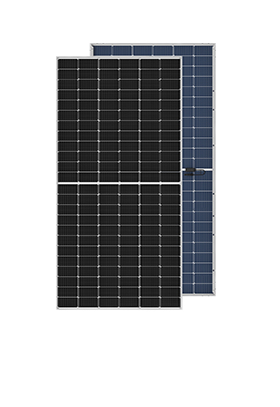
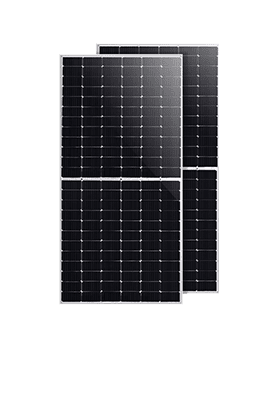
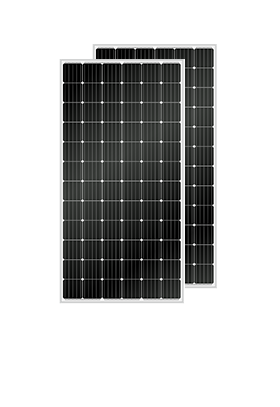
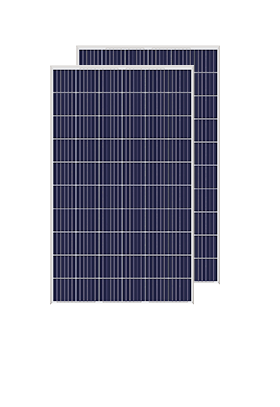



We have cooperated with more than 200 countries in solar energy projects and road lighting projects. We have exported products to many countries and participated in many important government projects around the world.




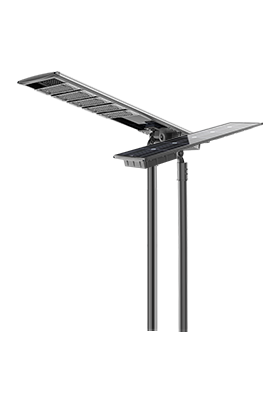


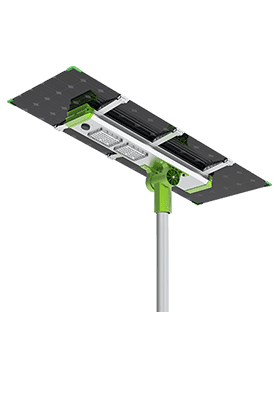

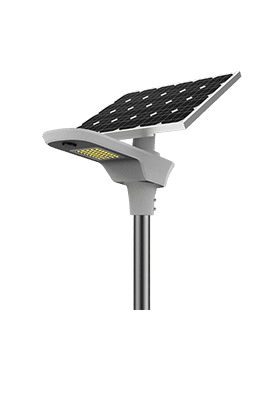


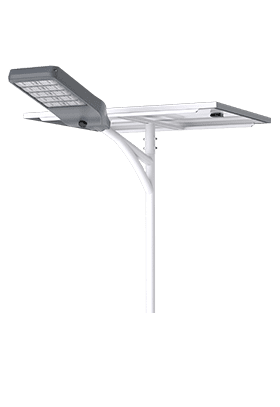
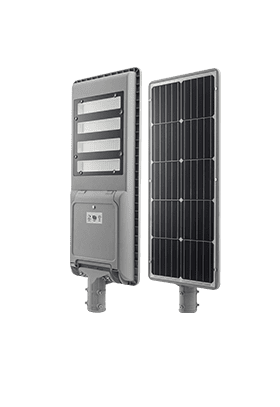
We have cooperated with more than 200 countries in solar energy projects and road lighting projects. We have exported products to many countries and participated in many important government projects around the world.

Anern has 17 years of experience in solar lighting and solar product manufacturing. Anern is headquartered in Guangzhou. With a production base of 30,000 square meters, our company has an R&D team of more than 100 people.
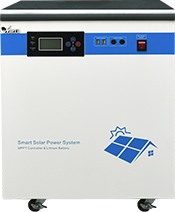
Hybrid solar power inverter, as one of the core components of a solar power generation system, it can convert the DC direct current generated by solar photovoltaic panels into AC alternating current that can be used by household, commercial devices, or power grids. Below, Anern provides a detailed introduction to the four main functions of the hybrid solar power inverter.
The most basic and important function of hybrid solar power inverter is the conversion from direct current to alternating current. Because the current generated by solar photovoltaic panels is direct current while most household and commercial devices and power grids require alternating current, the role of the hybrid solar power inverter is to achieve this type of current conversion. Inside the inverter, through complex circuit design and control strategies, the direct current is converted into alternating current that meets the power grid requirements, for users to utilize.
In addition to the basic current conversion function, the hybrid solar power inverter also features maximum power point tracking (MPPT) function. Because the power generation efficiency of solar photovoltaic panels is influenced by various factors such as light intensity and temperature, their output voltage and current will vary accordingly. To maximize the use of solar resources, the inverter monitors the output status of the panels in real-time through MPPT technology and adjusts its operating point to obtain the maximum power output. This function can significantly improve the power generation efficiency of the solar system and increase the economic benefits of the system.
Hybrid solar power inverter also has power regulation and protection functions including solar hybrid inverter without battery. Due to the instability of the power grid and the complexity of the solar system, the inverter needs to handle various abnormal situations such as voltage fluctuations, current overloads, and short circuits. Therefore, the inverter is integrated with multiple protection mechanisms, such as over-voltage protection, under-voltage protection, over-current protection, and over-temperature protection, to ensure stable operation of the system and protect electronic devices from damage. At the same time, the inverter can adjust the output current according to the needs of the power grid to meet the demands of different users.
Hybrid solar power inverter's network communication function is one of the key technologies for the intelligentization, remote monitoring, and operation and maintenance management of photovoltaic systems. Currently, mainstream hybrid solar power inverters are equipped with network communication functions, surpassing the single power conversion role of traditional inverters, and are configured with RS485/GPRS/WIFI and other communication options. Connecting software can monitor in real-time the working status, power generation, fault information, and other data of the inverter, which can be used to analyze the operational status of the photovoltaic system.