EN
EN
 fr
fr  de
de  es
es  it
it  ru
ru  pt
pt  ar
ar  id
id  ms
ms  uk
uk 



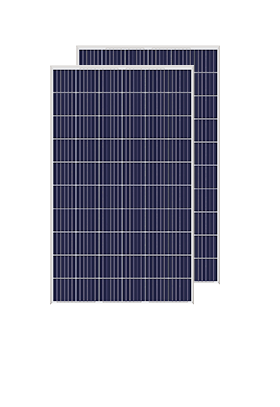


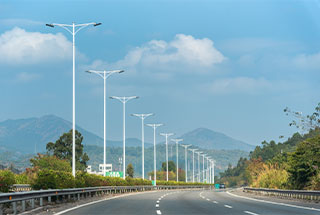
We have cooperated with more than 200 countries in solar energy projects and road lighting projects. We have exported products to many countries and participated in many important government projects around the world.




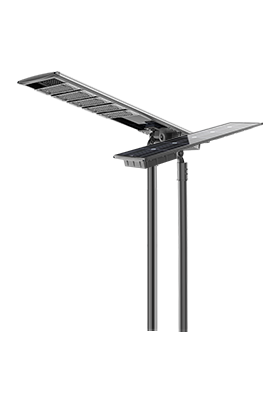


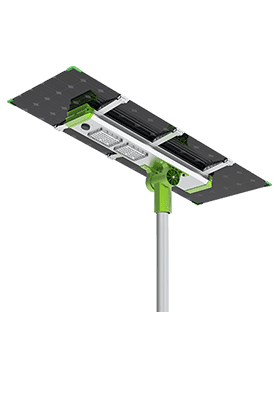
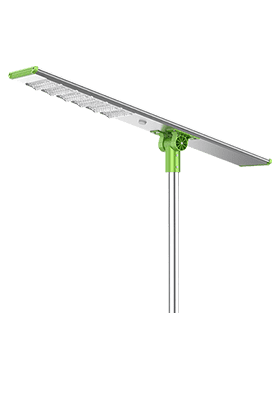
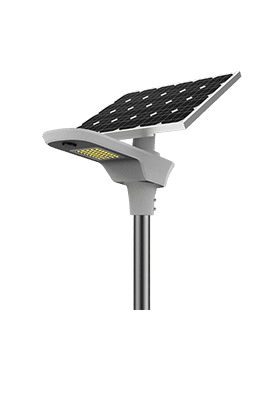


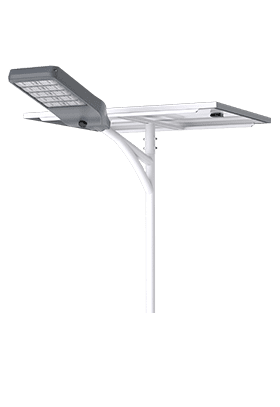
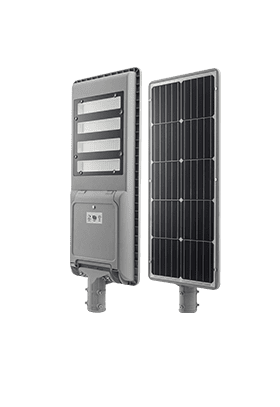
We have cooperated with more than 200 countries in solar energy projects and road lighting projects. We have exported products to many countries and participated in many important government projects around the world.

Anern has 17 years of experience in solar lighting and solar product manufacturing. Anern is headquartered in Guangzhou. With a production base of 30,000 square meters, our company has an R&D team of more than 100 people.
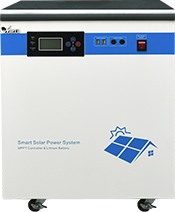
A solar power system harnesses sunlight to generate clean, renewable electricity for residential and commercial applications. It provides energy independence, reduces utility bills, and supports sustainability goals. This overview focuses on core components, particularly solar panels, while addressing practical questions for 2026 buyers. Insights draw from Anern’s diverse offerings, including N-Type Dual Glass Solar Panels, Half Cell Mono Solar Panels, monocrystalline options, off-grid and on-grid systems, and advanced lithium battery solutions.
What do solar panels do? They convert sunlight into usable electrical energy through the photovoltaic process. Silicon-based cells absorb photons, exciting electrons to create direct current (DC) electricity. This DC power is then inverted to alternating current (AC) for home or business use.
A single bulk solar panel typically produces 300-700 watts under ideal conditions, depending on size and technology. For example, Anern’s high-efficiency panels deliver reliable output for both small residential setups and larger commercial arrays. Panels form the foundation of any system, working alongside inverters, batteries, and controllers to deliver consistent power.
How much power does a solar panel produce? Output varies with sunlight intensity, panel wattage, and environmental factors. A standard 450W panel in a location with 5 peak sun hours daily can generate about 2.25 kWh per day. Real-world production accounts for system losses (10-25%), making accurate sizing essential.
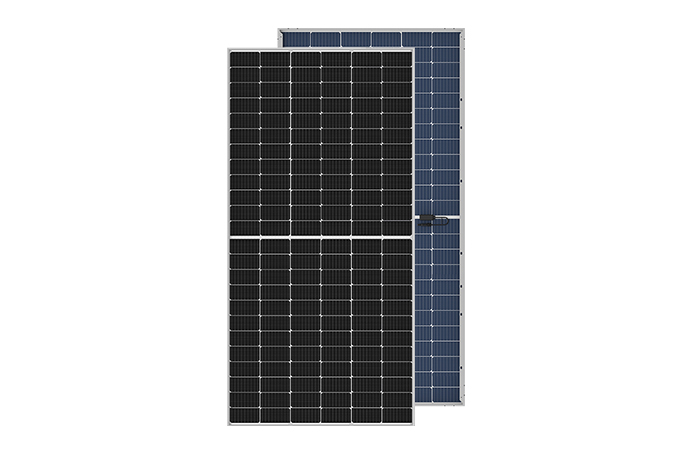
Types of solar panels differ in materials, performance, and suitability. Understanding these helps match the right option to your needs.
Common types include:
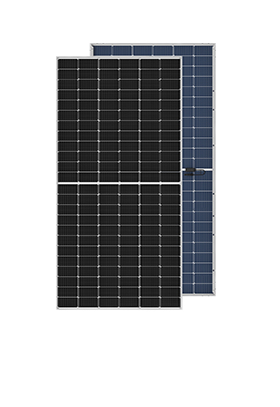
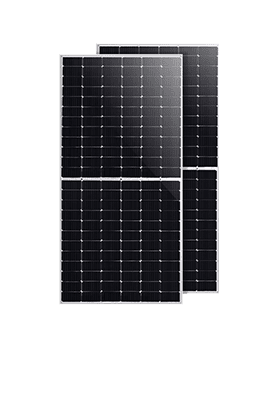
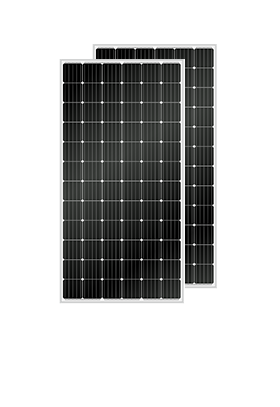
Monocrystalline: Made from single-crystal silicon, offering high purity and performance. Anern’s monocrystalline solar panels and Half Cell Mono panels excel here.
Polycrystalline: Lower cost but slightly less efficient, formed from multiple silicon crystals.
N-Type Dual Glass / TOPCon: Advanced designs with better temperature tolerance and longevity, prominent in Anern’s lineup.
Thin-film: Flexible and lightweight but generally lower efficiency.
How efficient are solar panels? Modern panels achieve 18-24% efficiency in real-world conditions. Premium monocrystalline and N-type models reach 22-24%, converting that percentage of sunlight into electricity. Anern’s N-Type Dual Glass panels stand out for high efficiency and durability in various climates.
Do solar panels need direct sunlight? No, they do not require direct sunlight exclusively. They perform with diffuse light, though output drops on overcast days.
Do solar panels work on cloudy days? Yes, they generate 10-30% of rated power depending on cloud density and technology. High-efficiency panels like Anern’s maintain better low-light performance, making them suitable for regions with variable weather.
Types of Solar Panels Efficiency Comparison Table:
Type | Efficiency Range | Power Output (Typical) | Durability (Years) | Best Applications | Relative Cost |
20-24% | 400-700W | 25-40 | Residential & Commercial | Medium-High | |
15-18% | 300-500W | 20-30 | Budget Projects | Low | |
22-24%+ | 450-750W | 30+ | High-Performance Sites | Higher | |
Thin-Film | 10-15% | Lower per area | 15-25 | Flexible/Portable | Variable |
Costs have stabilized in 2026, with panels ranging from $0.30–$0.80 per watt. A typical residential 6-10kW system costs $12,000–$28,000 before incentives, while commercial installations scale higher based on size. Anern(https://www.anern.com) offers competitive pricing on complete systems with integrated panels, inverters, and batteries.
Factors affecting cost include panel type, system scale, installation complexity, and add-ons like battery storage. Incentives can reduce net costs significantly.
Different Scale Data Table (Residential vs Commercial):
Scale | Typical Capacity | Panels (approx. 450W) | Est. Cost (USD, pre-incentive) | Daily Production (kWh) | Payback Period |
Small Residential | 3-6kW | 8-15 | $8,000–$18,000 | 12-30 | 5-8 years |
Medium Residential | 6-12kW | 15-30 | $15,000–$32,000 | 25-60 | 6-9 years |
Small Commercial | 15-50kW | 35-120 | $30,000–$120,000 | 60-250 | 4-7 years |
Large Commercial | 50-500kW+ | 120+ | $100,000+ | 250+ | 3-6 years |
How to install solar panels requires careful planning and often professional expertise for safety and compliance.
Step-by-step overview:
1. Site Assessment: Evaluate roof orientation, shading, and structural integrity. South-facing (Northern Hemisphere) is ideal.
2. Permitting: Obtain necessary approvals and grid interconnection agreements.
3. Mounting: Install racking systems securely to the roof or ground. Ensure proper sealing to prevent leaks.
4. Panel Placement: Secure panels to rails using clamps. Connect wiring with MC4 connectors.
5. Electrical Integration: Link to charge controllers, inverters, and batteries. Ground the system properly.
6. Testing and Commissioning: Verify connections, monitor initial output, and activate monitoring apps.
Anern provides detailed Solar Power System Installation Guide resources for their products, including off-grid home systems. While DIY is possible for small portable setups, certified installers are recommended for rooftop or grid-tied systems to maintain warranties and safety.
Ground-mounted or portable options from Anern simplify installation for certain applications.
Battery management systems (BMS) are critical for safe and efficient energy storage. They monitor voltage, temperature, and state of charge, preventing over-discharge or overcharge that could damage lithium batteries. Anern’s LiFePO4 batteries include advanced BMS for thousands of cycles and enhanced safety.
Long-term performance depends on quality components. High-efficiency panels paired with robust BMS maintain output over decades. Regular monitoring helps detect issues early, ensuring systems deliver expected ROI.
Residential & Commercial Different Scale Influencing Factors Table:
Factor | Residential (Small-Medium) Impact | Commercial (Large) Impact | Mitigation Strategies |
Roof/Available Space | High (limited area) | Medium (larger sites) | High-efficiency panels |
Energy Demand Pattern | Variable daily loads | Consistent high loads | Smart load management |
Shading & Orientation | Significant on homes | Manageable on ground | Site assessment tools |
Upfront Capital | Budget constraints common | Economies of scale | Financing & incentives |
Maintenance Access | Easier for homeowners | Requires contracts | Remote monitoring |
Regulatory/Permitting | Local building codes | Grid interconnection | Professional support |
Choose reputable manufacturers like Anern for quality assurance, strong warranties, and global project experience. Anern’s website offers off-grid home solar power systems, on-grid solutions, and individual panels with calculators for sizing.
Recommendations:
Assess your energy needs using Anern’s Solar Panel Calculator.
Prioritize high-efficiency types of solar panels for space-limited installations.
Include battery management systems for backup capability.
Consult certified installers and compare quotes.
Consider long-term factors like how efficient are solar panels in your climate and do solar panels work on cloudy days.
Solar power systems empower homes and businesses with clean energy. Anern’s comprehensive solutions, from panels to full systems, make adoption straightforward and reliable. Start planning your project today for sustainable power and significant savings.