EN
EN
 fr
fr  de
de  es
es  it
it  ru
ru  pt
pt  ar
ar  ms
ms  id
id 



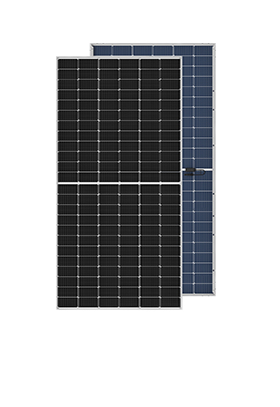
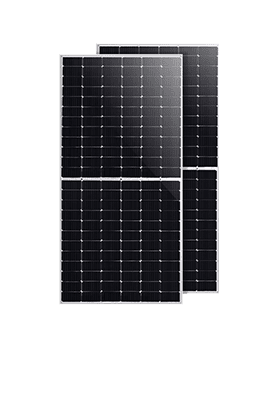
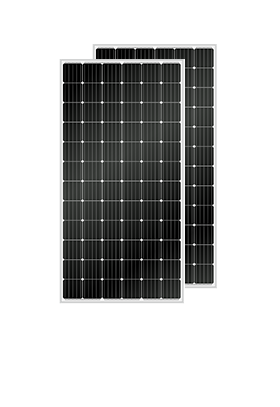
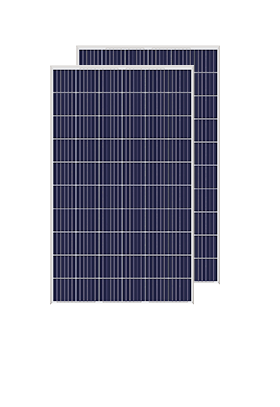


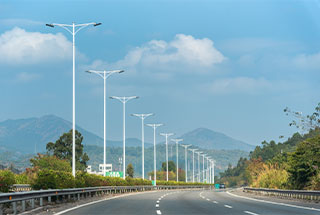
We have cooperated with more than 200 countries in solar energy projects and road lighting projects. We have exported products to many countries and participated in many important government projects around the world.




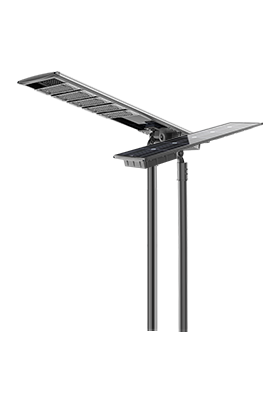


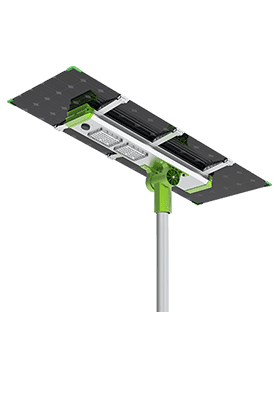
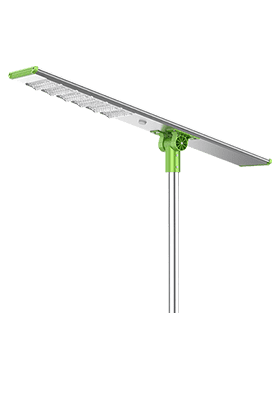
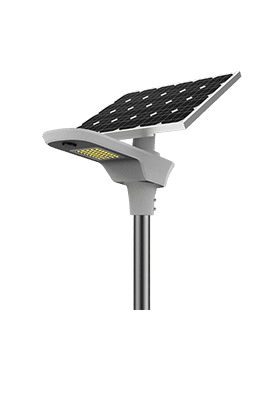


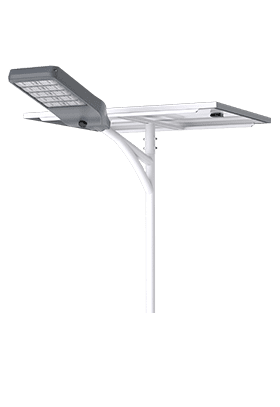
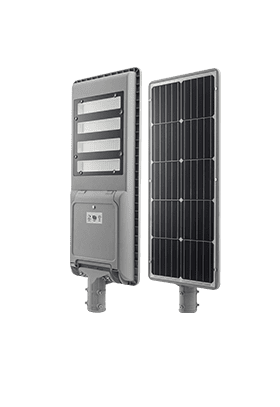
We have cooperated with more than 200 countries in solar energy projects and road lighting projects. We have exported products to many countries and participated in many important government projects around the world.

Anern has 17 years of experience in solar lighting and solar product manufacturing. Anern is headquartered in Guangzhou. With a production base of 30,000 square meters, our company has an R&D team of more than 100 people.
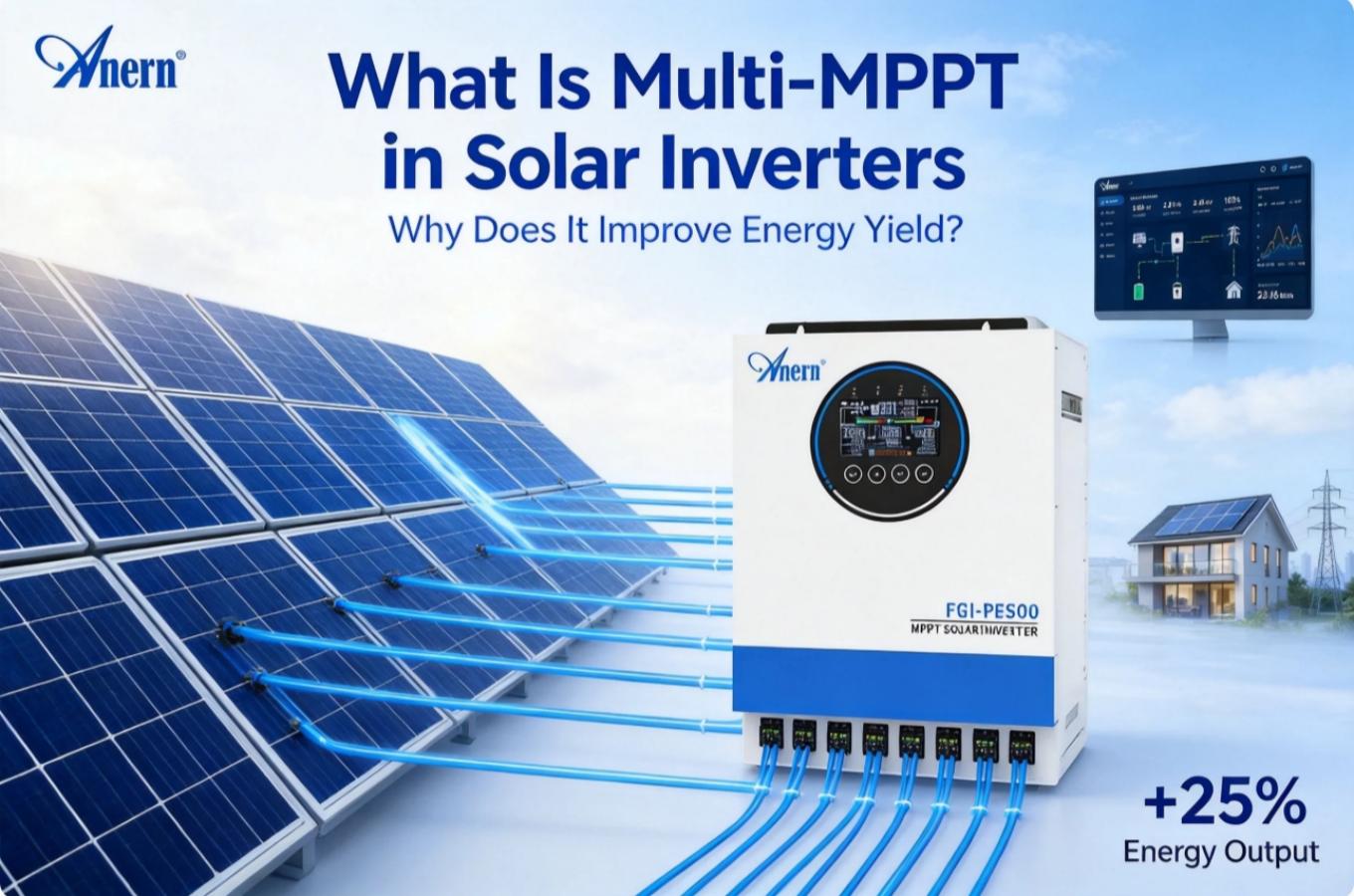
An MPPT (Maximum Power Point Tracking) inverter is a type of solar inverter equipped with built-in MPPT functionality. It performs two critical tasks simultaneously: converting DC power generated by solar panels into AC power suitable for the grid or local loads, and optimizing the power output from each solar module to extract maximum energy. Many modern MPPT inverters support multiple MPPT channels (dual or multi-MPPT), allowing them to handle complex roof configurations with panels facing different directions or partially shaded areas. They are widely used in commercial projects, energy storage systems, and intricate rooftop installations.
For a comprehensive guide to MPPT inverters, see Everything You Need to Know about MPPT Inverter.
String inverters, in contrast, operate by converting the DC power from a series of solar modules (a “string”) into AC power at a centralized point. These inverters are often simpler in design, with a single or limited number of MPPT channels. They are cost-effective and popular for residential and utility-scale solar projects where panels are installed in uniform orientation and shading is minimal. Their straightforward architecture contributes to widespread adoption, especially in large, open, and evenly sunlit installations.
MPPT technology dynamically adjusts the operating point of a solar module or array to ensure it consistently operates at its maximum power point, optimizing electricity production regardless of sunlight intensity or temperature fluctuations. This capability is particularly important in real-world conditions where weather, partial shading, and panel orientation can impact energy output.
Unlike MPPT controllers—which primarily focus on battery charging—MPPT inverters combine the tracking function with DC-to-AC conversion, simplifying system design while enhancing energy yield. For a detailed comparison, see MPPT Controller vs MPPT Inverter: Key Differences Explained.
| Feature | MPPT Inverter | String Inverter |
|---|---|---|
| MPPT Channels | Multi or dual MPPT | Single or few MPPT channels |
| DC-to-AC Conversion | Integrated, optimized for each channel | Centralized, per string |
| Efficiency under shading | High, adjusts per string/module | Lower, entire string affected |
| Roof flexibility | Handles multiple orientations | Best on uniform roofs |
| Cost | Higher upfront cost | Lower upfront cost |
| Scalability | High, suitable for commercial & hybrid systems | Moderate, suitable for uniform installations |
| Battery Integration | Full support, hybrid ready | Limited or requires additional equipment |
This comparison illustrates why MPPT inverters excel in complex installations while string inverters remain a cost-effective solution for simpler, uniform systems.
One of the most significant advantages of MPPT inverters is their ability to maintain high efficiency under challenging conditions. In partial shading scenarios—such as a tree casting shadows over part of a roof—MPPT inverters can track the maximum power point of each panel string independently, mitigating energy loss. In contrast, string inverters, which treat the entire string as a single unit, experience reduced output when even a few modules are shaded.
Temperature variations also affect performance. MPPT inverters adjust dynamically to ensure each panel operates optimally, while string inverters may operate below peak efficiency in hot climates. Similarly, roofs with panels facing different orientations or varying tilts benefit from MPPT inverters’ multi-channel tracking. These dynamic adjustments translate into tangible energy gains over the system’s lifetime.
MPPT inverters offer greater flexibility in system layout. They can accommodate multiple roof orientations, irregular panel spacing, and hybrid systems combining solar with batteries or the grid. While installation complexity may be slightly higher than for string inverters, the increased efficiency and adaptability often outweigh the initial effort. MPPT inverters are scalable for projects ranging from small commercial rooftops to industrial microgrids, making them suitable for a broad range of applications.
String inverters, by contrast, are simpler to install and are ideal for projects with uniform panel placement. Their lower installation complexity and cost make them suitable for large-scale ground-mounted arrays or small, cost-sensitive residential systems.
Complex roof structures, such as multi-level buildings, irregular angles, or obstructions like chimneys and trees, pose challenges for solar energy capture. MPPT inverters can handle these conditions effectively, as each string is tracked independently to optimize energy output. Partial shading no longer disproportionately affects the system, ensuring consistent energy production.
In comparison, string inverters’ single-string tracking design means that shading on any module reduces the entire string’s output, which can significantly impact performance in non-uniform environments.
MPPT inverters are best suited for installations where efficiency, flexibility, and energy optimization are priorities. Key scenarios include:
Commercial and Industrial Projects: Multi-story office buildings, shopping centers, and factories with complex rooftop layouts.
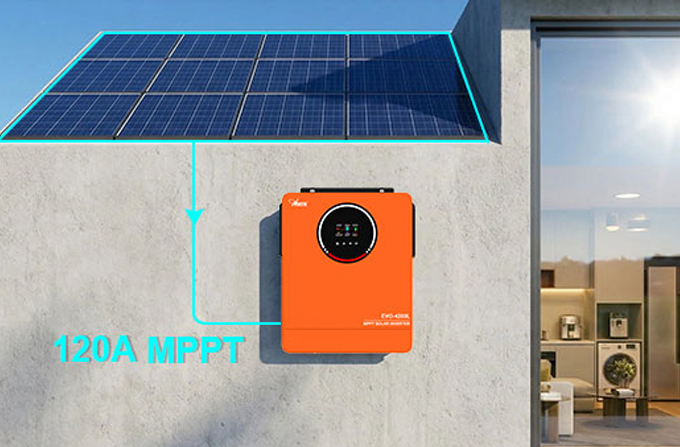
AN-SCI-EVO Series (4200–6200 W), featuring dual/multi-MPPT, DC-to-AC conversion, and hybrid storage support.
Multi-Orientation Roofs: Panels facing different directions benefit from independent MPPT tracking.
Energy Storage Systems: Hybrid solar + battery installations that maximize self-consumption and provide backup power.
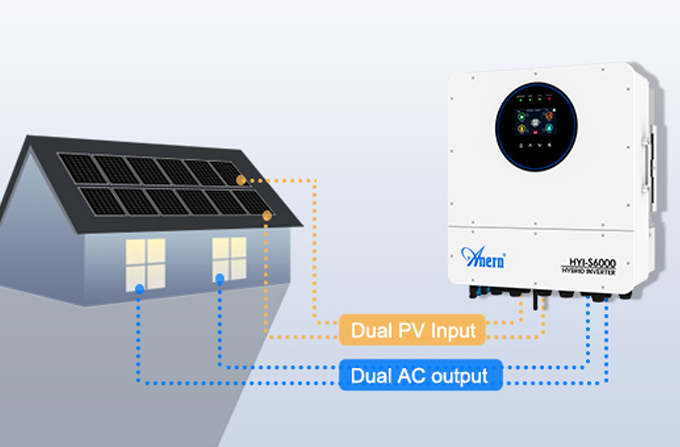
IP65 Hybrid Solar Inverter 6KW–12KW
Weak-Grid Areas: Regions with unstable electricity supply, frequent outages, or reliance on diesel backup.
See How MPPT Inverters Ensure Stable Power in Weak-Grid Countries for more details.
String inverters are ideal for simpler installations where cost-effectiveness is key:
Large Ground-Mounted Solar Farms: Uniform arrays in open fields with consistent solar exposure.
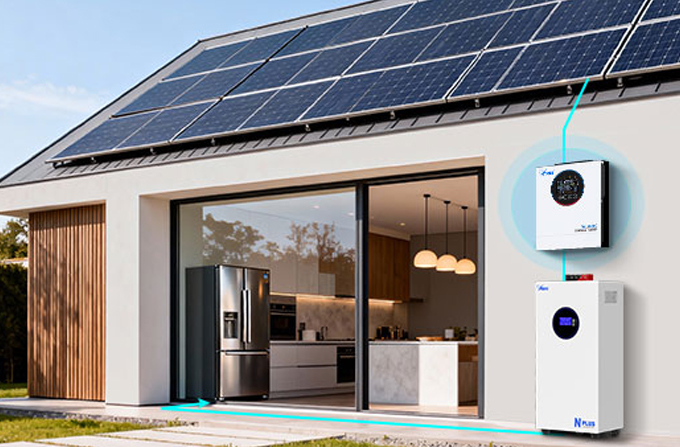
Recommended product: AN-FGI-S Series (5000–12000 W)
Areas with Uniform Sunlight: Minimized shading ensures string inverter efficiency remains high.
Cost-Sensitive Projects: Residential or commercial installations where budget constraints prioritize upfront cost over complex optimization.
Pairing MPPT inverters with battery storage enhances reliability and enables energy arbitrage, peak shaving, and backup power. Wall-mounted battery solutions, such as AN-LPB-Npro, integrate seamlessly with MPPT inverters, providing stored energy during outages or periods of low solar generation.
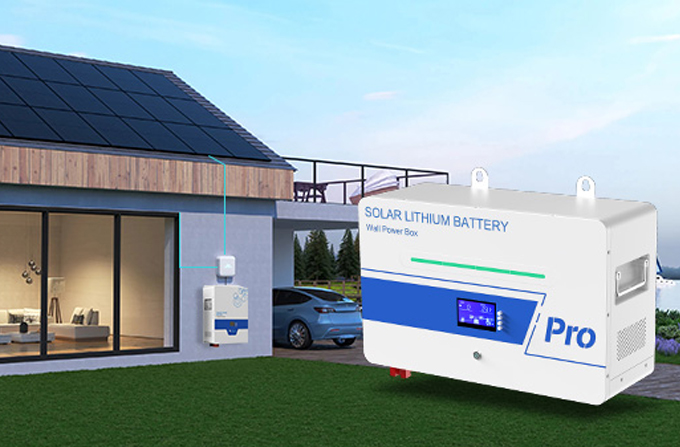
Wall-mounted battery + connected MPPT inverter with solar panel array
This integration is particularly valuable in commercial sites, remote rural electrification, and hybrid microgrid applications, where uninterrupted power is essential.
When deciding between MPPT and string inverters, several factors should guide selection:
Roof Complexity: MPPT inverters excel in non-uniform, multi-directional, or partially shaded layouts.
Project Scale: String inverters are ideal for large, uniform arrays; MPPT inverters scale efficiently for smaller to medium commercial or hybrid projects.
Budget vs Efficiency: String inverters offer lower upfront costs; MPPT inverters provide long-term ROI through higher energy yield.
Battery Integration & Weak Grid Support: MPPT inverters are better suited for hybrid systems and areas with unreliable grids.
Both MPPT and string inverters have distinct advantages depending on project requirements. MPPT inverters provide superior efficiency under shading, flexibility for complex rooftops, and seamless integration with batteries, making them ideal for commercial, industrial, and weak-grid environments. String inverters, meanwhile, remain the cost-effective choice for large-scale, uniform installations where shading is minimal.
By carefully evaluating site conditions, energy goals, and budget constraints, project designers can select the inverter type that maximizes energy production, reliability, and return on investment. With the right choice of products, such as AN-SCI-EVO Series for multi-orientation and hybrid applications, or AN-FGI-S Series for large-scale ground arrays, solar systems can achieve optimal performance across a wide range of conditions.