EN
EN
 fr
fr  de
de  es
es  it
it  ru
ru  pt
pt  ar
ar  ms
ms  id
id 



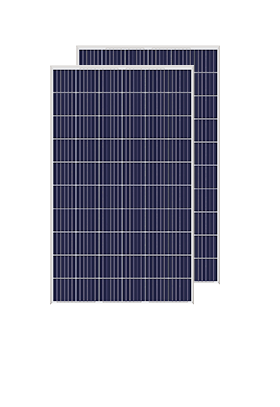


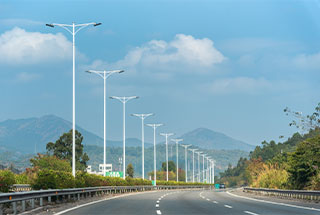
We have cooperated with more than 200 countries in solar energy projects and road lighting projects. We have exported products to many countries and participated in many important government projects around the world.




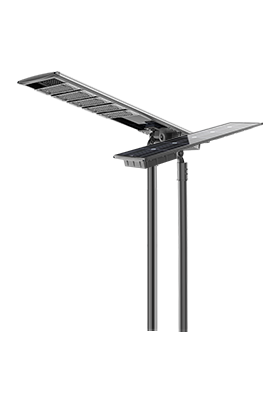


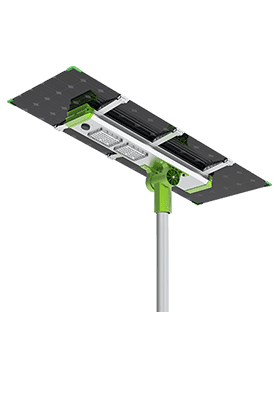
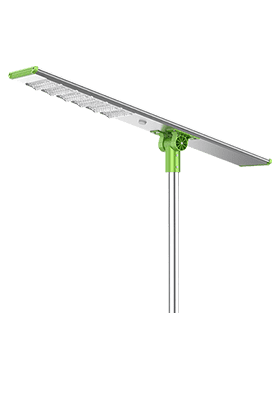
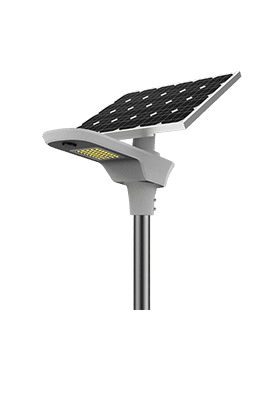


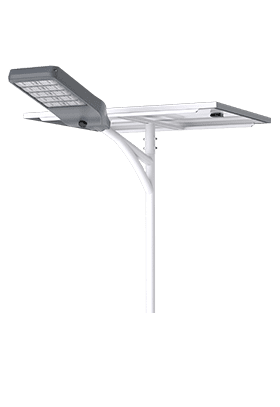
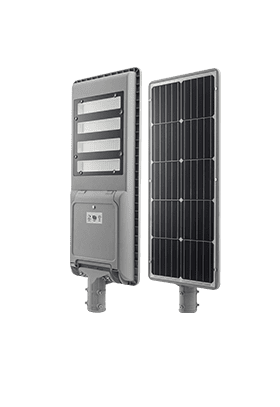
We have cooperated with more than 200 countries in solar energy projects and road lighting projects. We have exported products to many countries and participated in many important government projects around the world.

Anern has 17 years of experience in solar lighting and solar product manufacturing. Anern is headquartered in Guangzhou. With a production base of 30,000 square meters, our company has an R&D team of more than 100 people.
The inverter is the control center of the energy storage system, directly affecting the functionality and user experience of the entire storage system. A reasonable choice of the 1.5 kilowatt inverter is the most important part of configuring a storage system.
As the solar storage industry rises, the functionality of inverters is continually becoming comprehensive and refined, resulting in numerous categories suitable for different application scenarios. In the household storage field, the current mainstream inverters fall into two main categories—hybrid inverters and storage inverters.
Hybrid inverter system is designed specifically for household storage and small commercial storage, featuring the most comprehensive functions—they can directly connect to photovoltaics, the grid, the battery, and the load, managing the entire system. Generally speaking, hybrid inverter system is suitable for families starting from scratch to install a complete solar storage setup or those who only need certain functions for now but plan to install a full system in the future.
Storage inverters, also known as bidirectional converters, are mainly designed for the photovoltaic stock market in the household storage field, targeting customers who already have installed photovoltaic systems. By adding an energy storage system to the existing photovoltaic system, storage inverters are the optimal choice. Through AC coupling, the storage system can be easily added to the original system.
Depending on whether it connects to the grid, energy storage systems are divided into grid-tied storage systems and off-grid storage systems. According to the type of grid voltage, inverters are further divided into single-phase, three-phase, and split-phase inverters. Different application scenarios require different inverters.
Off-grid storage systems do not connect to the grid and operate independently, so the inverters do not need to have grid-tied functions. In such application scenarios, off-grid hybrid inverter system can be selected, mainly suitable for remote areas without a grid such as deep mountains and isolated islands, or for families experiencing off-grid living.
Grid-tied storage systems need to connect to the grid, drawing power and possibly feeding power back to the grid, hence requiring numerous safety protection requirements and technical standards. Different countries and regions have varying grid conditions; some regions use three-phase electricity, while others use single-phase or split-phase electricity. Even within the same country, the grid conditions can vary, so the choice of inverters must be made according to the local grid conditions.
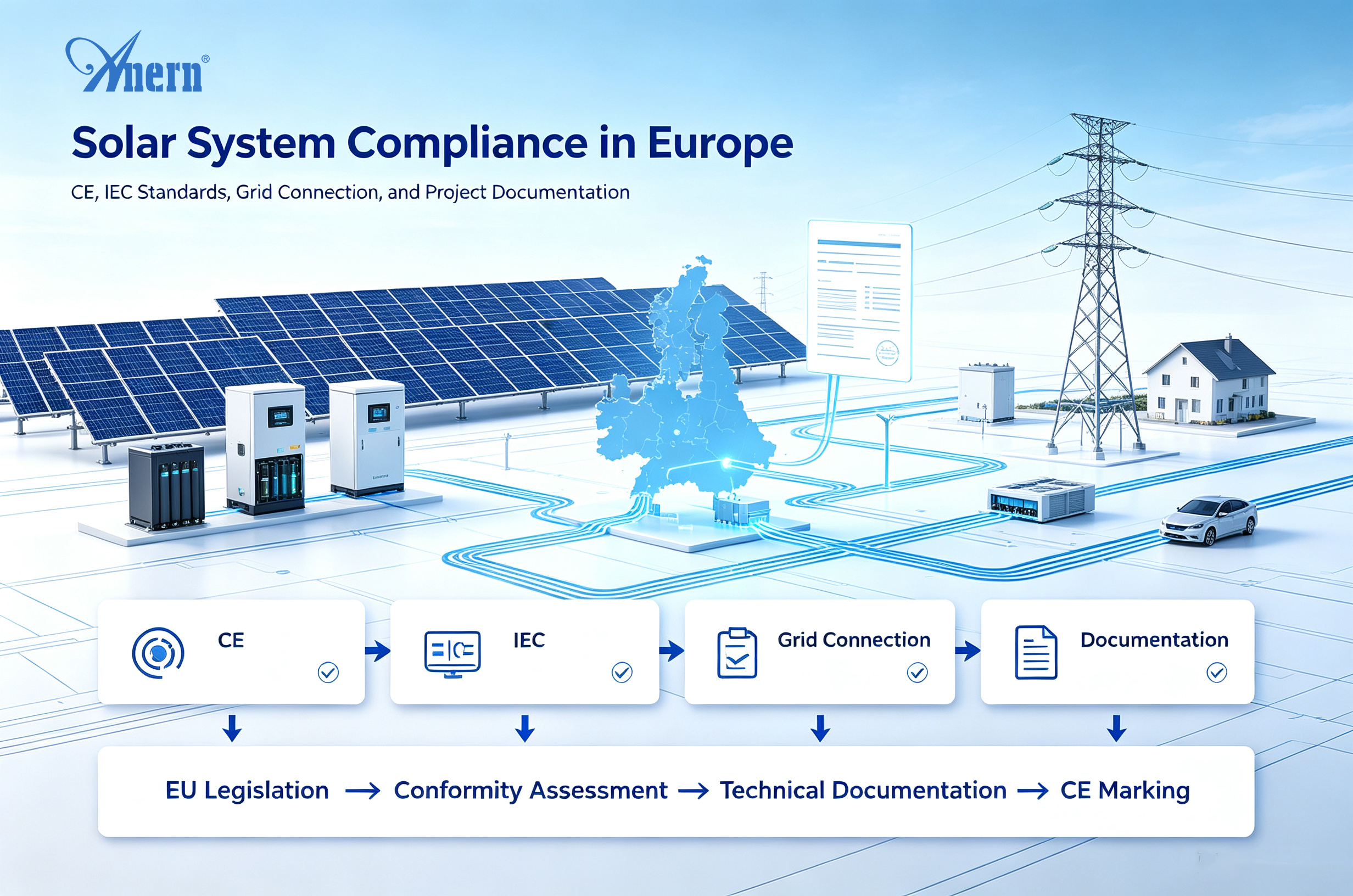
Additionally, the grid connection of inverters involves grid connection certification. Most countries have their own grid connection certification standards, and inverters must comply with local certification requirements to connect to the grid. Otherwise, they may face fines from grid companies or pose safety hazards. It should be noted that once the inverter connects to the grid, regardless of whether it draws or feeds power, grid connection certification is required.
The inverter and the storage battery need to be compatible with each other to ensure the safe and reasonable operation of the entire solar storage system. Energy storage batteries are divided into high voltage and low voltage types, and correspondingly, inverters also have matching voltage compatibility types, namely high voltage inverters and low voltage inverters. Low voltage inverters are suitable for low voltage storage batteries, typically compatible within the voltage range of 40-60v; high voltage inverters are suitable for high voltage storage batteries, with a voltage compatibility range of 90-600v or above.
Aside from voltage, the inverter and battery also need to match communication protocols; otherwise, the inverter will not be able to correctly read the battery data, leading to ineffective monitoring of the battery. Generally, communication protocols differ among brands, but brands often adapt to each other's communication protocols due to business cooperation and market needs. Therefore, when purchasing inverters and batteries from different brands, it is crucial to ensure that they can mutually match.
1.5 kilowatt inverter as the core control device of the solar storage system, is technically demanding, with many complex parameters. Therefore, it is best to choose a brand with technical strength and capability to ensure safety and user experience.