EN
EN
 fr
fr  de
de  es
es  it
it  ru
ru  pt
pt  ar
ar  ms
ms  id
id 





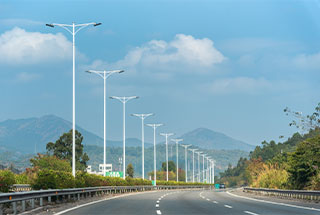
We have cooperated with more than 200 countries in solar energy projects and road lighting projects. We have exported products to many countries and participated in many important government projects around the world.




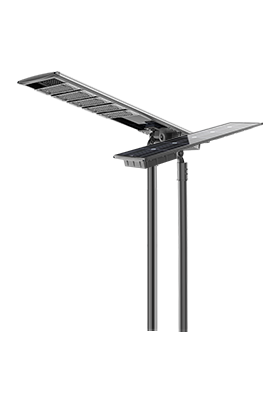


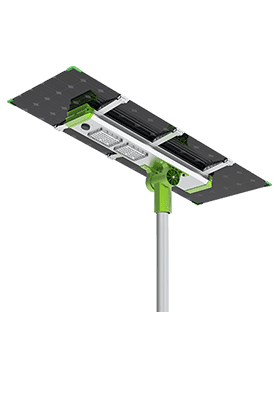
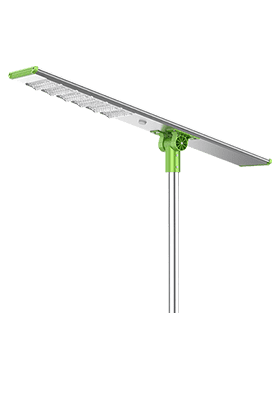
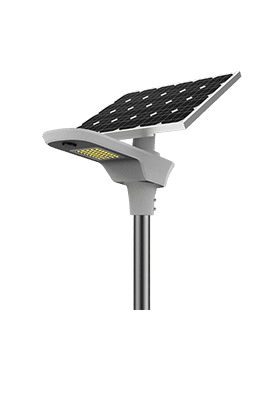


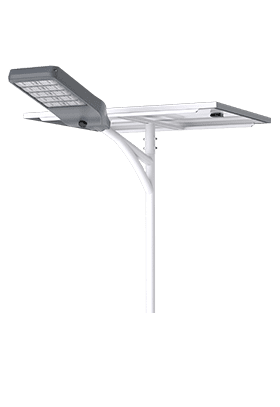
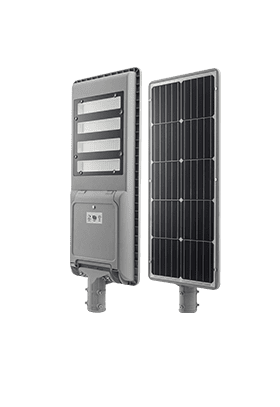
We have cooperated with more than 200 countries in solar energy projects and road lighting projects. We have exported products to many countries and participated in many important government projects around the world.

Anern has 17 years of experience in solar lighting and solar product manufacturing. Anern is headquartered in Guangzhou. With a production base of 30,000 square meters, our company has an R&D team of more than 100 people.
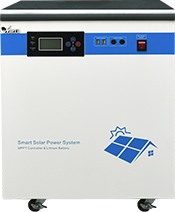
The photovoltaic power generation system, as a clean, renewable energy device system, is receiving increasing attention and application. In the Anern solar power system, the inverter, as one of the core devices, is responsible for converting the DC power generated by the photovoltaic modules into AC power to meet various power demands. Below, Anern will introduce the features of the off-grid 3-phase solar inverter in the system of on-grid off-grid inverter.
High-power off-grid 3-phase solar inverters convert direct current into three-phase alternating current power. Their main features include:
Supports three-phase unbalanced load and three times peak power, able to easily drive inductive impact loads, with pure sine wave output at industrial frequency, ensuring efficient and stable energy conversion.
Can be used as a UPS power supply. When the utility power is normal, it provides the utility power to the load after stabilization and simultaneously charges the battery. When the utility power is interrupted, it immediately switches the battery's DC power to AC power through the inverter, providing continuous and reliable power support.
Equipped with comprehensive protection functions, such as input/output over-voltage, under-voltage, over-temperature, overload, and short-circuit protection, ensuring the safe operation of the equipment.
In off-grid photovoltaic power generation systems, high-power off-grid 3-phase solar inverters, as one of the core devices, are responsible for converting the DC power generated by the photovoltaic modules into AC power for the load. At the same time, the excess energy is stored in the storage device through the charge controller for use when sunlight is insufficient. The stable performance of off-grid 3-phase solar inverters ensures a continuous power supply, meeting all-weather power needs.
In high-power photovoltaic systems, when selecting and configuring off-grid 3-phase solar inverters among large off-grid solar power systems, the following factors need to be considered:
The load peak power determines the power of the off-grid inverter. When selecting, choose an inverter with appropriate power according to actual load requirements.
The daily load power consumption determines the capacity of the photovoltaic modules, thereby determining the power of the MPPT controller. During configuration, ensure that the MPPT controller matches the power of the off-grid inverter.
High-power inverters generate considerable heat during operation, so heat dissipation performance is an important factor to consider when selecting an inverter. Choose an inverter with good heat dissipation performance to ensure stable operation of the equipment.
For projects with lower load power, a photovoltaic off-grid integrated machine generally meets user needs. However, if the power demand exceeds 80KW, the mainstream market tends to use split-type off-grid inverters.
For high-power off-grid needs, if the MPPT controller and the off-grid inverter are integrated, the entire cabinet will be very large, making installation and transportation inconvenient. Additionally, heat dissipation becomes a challenge. Therefore, considering various factors, in the application of high-power off-grid 3-phase solar inverters, the MPPT controllers and off-grid inverters are generally used as separate units that work independently and cooperatively.