EN
EN
 fr
fr  de
de  es
es  it
it  ru
ru  pt
pt  ar
ar  id
id  ms
ms  uk
uk 

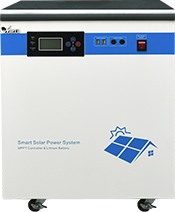


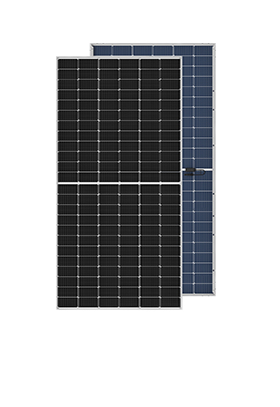

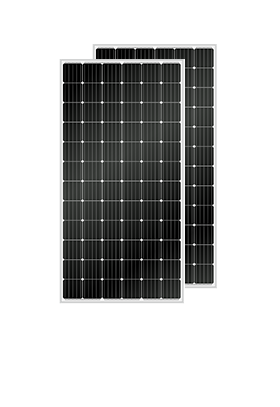
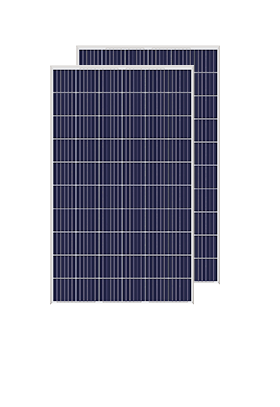



We have cooperated with more than 200 countries in solar energy projects and road lighting projects. We have exported products to many countries and participated in many important government projects around the world.




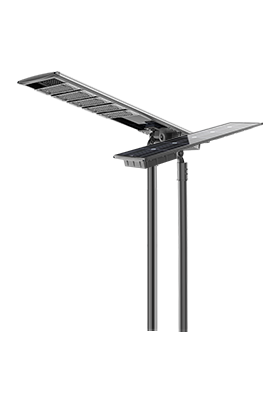


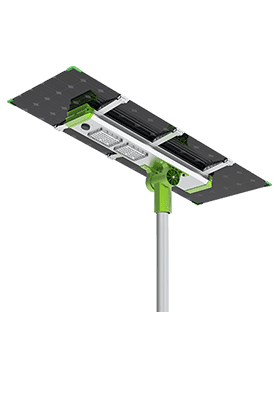

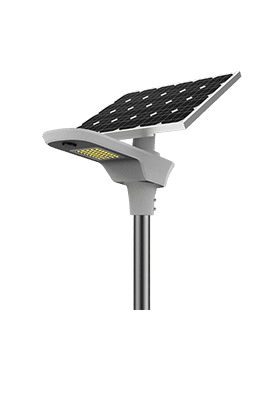


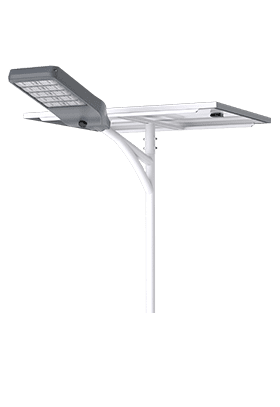
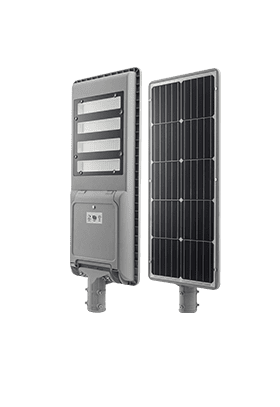
We have cooperated with more than 200 countries in solar energy projects and road lighting projects. We have exported products to many countries and participated in many important government projects around the world.

Anern has 17 years of experience in solar lighting and solar product manufacturing. Anern is headquartered in Guangzhou. With a production base of 30,000 square meters, our company has an R&D team of more than 100 people.
In 2026, Florida homeowners and businesses can benefit from the 30% federal solar tax credit, limited state-level solar rebate programs, property tax exemptions, and utility-specific net metering or buyback options. Florida does not offer a statewide solar income tax credit, and net metering rules vary by utility. Incentives differ depending on system size, electricity provider, and property type.
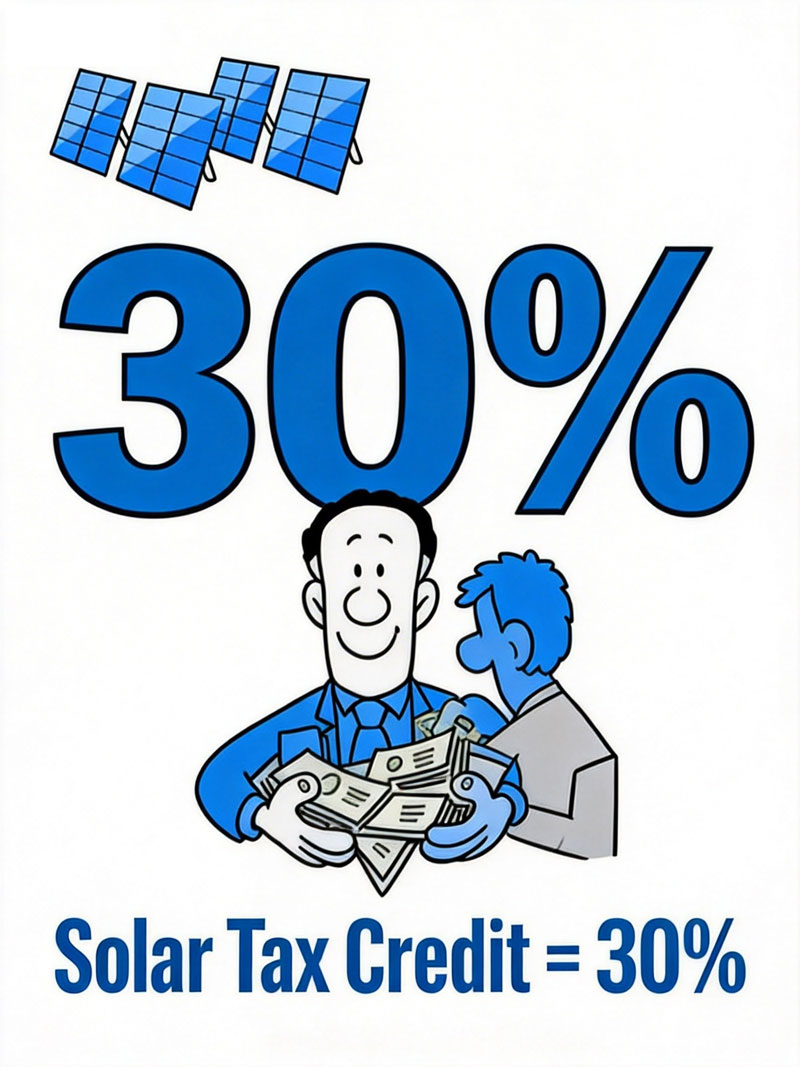
Florida’s solar incentives include:
Federal Investment Tax Credit (ITC) – 30% of installation cost, applicable to residential and commercial systems.
Property Tax Exemption – Renewable energy system value is excluded from property taxes.
Utility Rebates – Some utilities provide limited upfront or performance-based rebates.
Net Metering / Buyback Programs – Credit for excess electricity sent back to the grid.
What Florida Does NOT Offer:
State income tax credit for solar
Mandatory statewide net metering (varies by utility)
Credit: 30% of total installation cost
Covers panels, inverter, battery storage, labor, permits
Applies to both residential and commercial installations
No system size cap
Example:
A $25,000 solar system qualifies for a $7,500 federal tax credit.
Florida excludes the added value of renewable energy systems from property tax calculations
Applies to both single-family homes and commercial properties
Reduces overall cost impact and protects investment value
Florida does not offer statewide solar rebates
Some municipal utilities may provide incentives:
| Utility | Program Type | Notes |
| Orlando Utilities Commission | Per-watt rebate | Limited annual funding |
| Gainesville Regional Utilities | Performance-based incentive | Available for residential and commercial |
Availability and amounts vary by service territory.
Florida does not mandate statewide net metering
Utilities may offer voluntary net metering or buyback plans
Excess electricity can generate bill credits
Credit rates vary (retail, wholesale, or avoided cost)
System size and export limits depend on utility
Financial savings – Reduce electricity bills and recoup installation costs faster
Property value – Tax-exempt solar installations maintain higher home value
Environmental impact – Reduce carbon footprint
Energy independence – Produce your own electricity during peak sunlight hours
Homeowner example:
8 kW system
Installation cost: $28,000
Federal ITC: $8,400
Property tax savings: Included
Utility buyback credits: Vary by utility
Estimated payback period: 6–8 years
20-year savings: $40,000–$50,000 depending on electricity rates and system performance
❌ “Florida has a state solar tax credit” → Only federal ITC applies
❌ “All Florida utilities have the same net metering rules” → Rates vary widely
❌ “Net metering is guaranteed” → Some utilities have caps or voluntary programs
Solar installation may be financially beneficial if:
You qualify for the 30% federal tax credit
Your utility offers a competitive buyback or net metering plan
Your household consumes a significant amount of daytime electricity
You plan to stay in your home long-term
If utility incentives are limited, ROI may be slower, but property tax exemption and federal ITC still provide strong savings.
Check your utility’s incentive programs – Not all utilities offer rebates or buyback.
Use professional installers familiar with Florida laws.
Verify system sizing – Larger systems may hit buyback caps.
Keep documentation for federal ITC and property tax exemptions.
Consider battery storage – Can increase self-consumption and maximize financial benefits.
A1: No. Only the 30% federal ITC applies.
A2: Some municipal utilities like Orlando and Gainesville offer limited rebate programs.
A3: No. Net metering is voluntary and depends on your utility.
A4: No. Property tax exemption protects added system value.
A5: Generally yes, especially with federal ITC and property tax exemptions, combined with utility buyback programs.
Florida solar incentives, rebate availability, and utility buyback rules may change annually. Homeowners should confirm current program details with local utilities and the Florida Public Service Commission before installation.
Data Sources:
U.S. Department of Energy – ITC Information
Florida Public Service Commission
Local utility program websites
Read more: