EN
EN
 fr
fr  de
de  es
es  it
it  ru
ru  pt
pt  ar
ar  ms
ms  id
id 






We have cooperated with more than 200 countries in solar energy projects and road lighting projects. We have exported products to many countries and participated in many important government projects around the world.








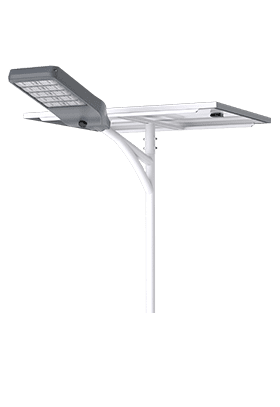
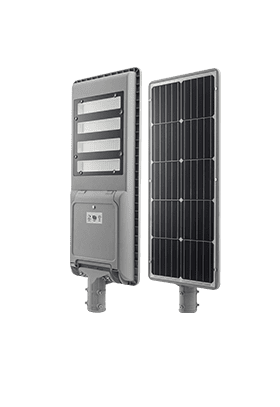


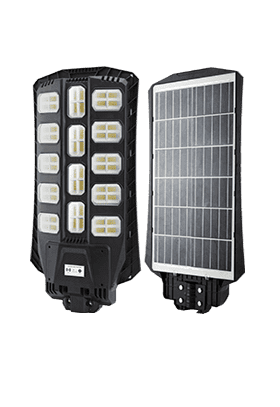

We have cooperated with more than 200 countries in solar energy projects and road lighting projects. We have exported products to many countries and participated in many important government projects around the world.

Anern has 17 years of experience in solar lighting and solar product manufacturing. Anern is headquartered in Guangzhou. With a production base of 30,000 square meters, our company has an R&D team of more than 100 people.
Selecting the right solar battery is one of the most important decisions in a home or business solar project. It directly influences your energy independence, electricity bill savings, backup power reliability, and total cost of ownership over the next 10 to 15 years. When people search for solar battery costs, they are usually trying to resolve a practical question: which battery system will perform best for my specific energy needs and budget, from installation through the entire lifespan?
In general, solar batteries store excess solar energy generated during the day for use at night, during cloudy weather, or during grid outages. Lithium-ion technology, especially Lithium Iron Phosphate (LiFePO4), has become the mainstream choice due to its long cycle life, safety, and efficiency. This price guide breaks down the six key factors that impact your final cost, explains how many batteries you actually need, analyzes return on investment, covers available incentives, and helps you understand battery longevity. We'll also look at real-world product examples to illustrate how these factors come together in actual hardware.
The final price tag of a solar battery system goes far beyond the listed price of the battery itself. Understanding these six factors helps you budget accurately and avoid hidden costs.
Factor | What it means | Impact on total cost |
Battery capacity & power | How much energy (kWh) stored and how much power (kW) delivered | High |
Battery chemistry | LiFePO4 vs. lead-acid vs. other | Medium-High |
Depth of Discharge (DoD) | Usable percentage of rated capacity | Medium |
Round-trip efficiency | Energy loss during charge/discharge cycle | Low-Medium |
BMS & communication | Battery management system quality and inverter compatibility | Medium |
Installation & soft costs | Labor, permits, design, shipping | Medium (15-25%) |
Capacity and power are the biggest drivers. A 5kWh battery costs significantly less than a 15kWh unit, but may not cover your overnight needs. Power (kW) determines how many appliances you can run simultaneously. Both must be matched to your load profile.
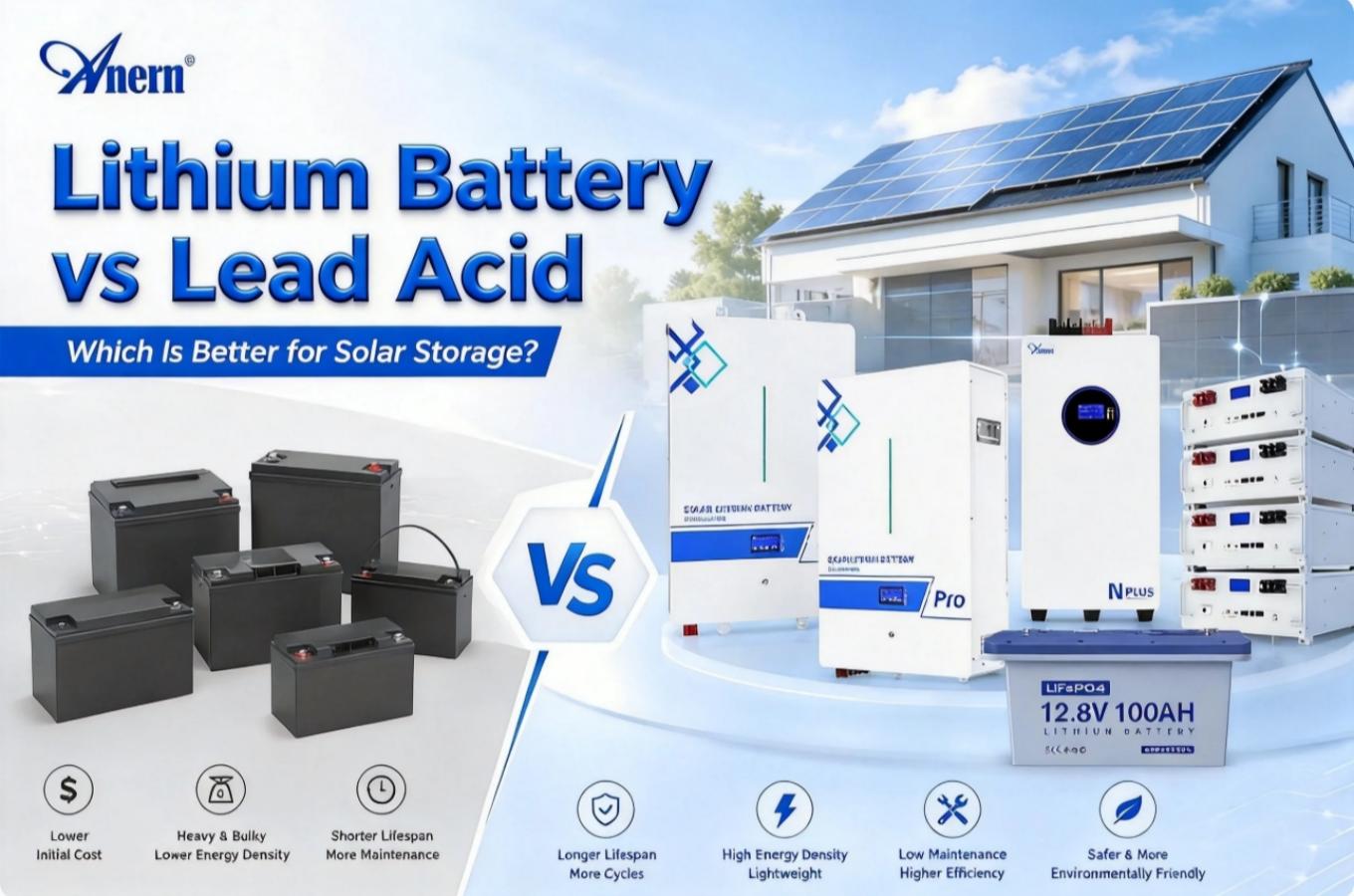
Chemistry matters for long-term value. LiFePO4 batteries have higher upfront cost than lead-acid but last 4-5 times longer. Typical LiFePO4 offers 4000-6000 cycles versus 300-500 for lead-acid. Over 10 years, the lithium option is almost always cheaper on a levelized cost basis.
Depth of Discharge (DoD) indicates how much of the rated capacity you can actually use. A 10kWh battery with 90% DoD gives you 9kWh usable. Higher DoD (95% is excellent) means you need fewer total kilowatt-hours to meet your needs, but commands a slight premium.
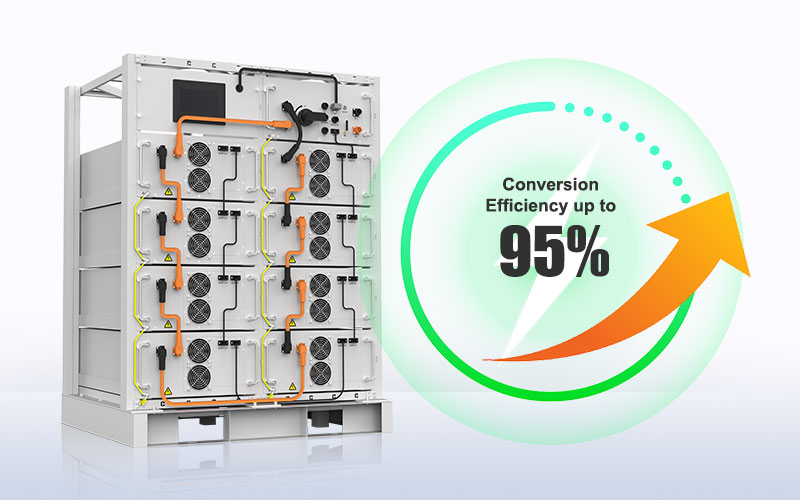
Round-trip efficiency (RTE) measures energy lost when charging and discharging. 90%+ RTE means for every 10kWh you put in, you get 9kWh out. Lower efficiency batteries waste more solar energy, requiring larger arrays to achieve the same usable storage.
BMS and communication might sound technical, but they determine reliability and compatibility. A good Battery Management System protects against overcharge, over-discharge, temperature extremes, and cell imbalance. Communication interfaces (RS485, CAN, RS232) ensure seamless integration with your inverter.
Installation and soft costs include electrician labor, permits, shipping, and system design. These can add  3,000 to a residential project, or more for complex commercial installations.
Battery quantity directly determines your total investment, but more isn't always better. The core calculation is: Critical load power (kW) × Desired backup hours ÷ Battery usable capacity (kWh per unit).
User type | Daily usage | Backup goal | Recommended usable capacity |
Basic backup (lights, fridge, router) | 3-5 kWh | 6-8 hours | 10-15 kWh |
Whole home (excludes HVAC) | 10-15 kWh | 8-12 hours | 20-30 kWh |
Whole home (includes AC/heat pump) | 20-30 kWh | 12-24 hours | 40-80 kWh |
Small commercial (retail/office) | 30-50 kWh | 4-6 hours peak shaving | 40-60 kWh |
Budget progression: Each additional 5kWh LiFePO4 battery typically adds 2,000 to total system cost (including installation). However, larger systems often benefit from lower per-kilowatt-hour pricing.
Practical advice: Start with a home energy audit. Review your utility bills to understand daily kWh usage and peak demand. For most homeowners, covering critical loads for 8-12 hours offers the best value. Going fully off-grid often requires doubling capacity for cloudy stretches, which rarely pencils out financially unless grid power is extremely unreliable or expensive.
Real-world example: A home with 15kWh daily usage, wanting 10 hours of backup for essential circuits needs about 12-15kWh usable. With a 95% DoD battery, that's roughly 13-16kWh rated capacity. Three 5kWh units would fit perfectly, with room for one more if needed later.
Whether a solar battery makes financial sense depends on how you measure returns. There are two distinct value streams: economic (bill savings) and non-economic (backup power, green living).This is the formula for ROI:

where I0 is the current value of investment, I is income from investment, and Q is the initial investment and other expenses.
In markets with strong time-of-use (TOU) electricity pricing, where peak-hour electricity rates can be up to three times higher than off-peak rates, battery systems allow users to store inexpensive daytime solar energy and use it during expensive evening periods. Typical annual savings for a 10–15 kWh battery system range from $800 to $2,000.
l In California, the implementation of the NEM 3.0 policy significantly reduced compensation for excess solar electricity exported to the grid. As a result, battery storage has become much more financially attractive because households can increase self-consumption instead of selling electricity back at lower rates.
l In Australia, the federal government introduced the “Cheaper Home Batteries Program”which provides approximately a 30% upfront discount for eligible residential and small-business battery systems connected to solar PV.
l In Western Australia, additional regional incentives offer rebates of up to AUD 5,000–7,500 and interest-free loans for home battery installations.
For commercial users, batteries can also reduce demand charges. Many businesses face demand fees of $10–20 per kW of peak demand. A properly sized battery can reduce peak demand by 5–15 kW, generating annual savings of approximately $600–3,000 or more.
Non-economic benefits are often equally important. Battery systems provide outage protection, which can prevent food spoilage, business interruptions, or productivity losses during blackouts. In regions experiencing two or more outages annually, backup power alone may justify 20–30% of the system cost. Batteries also dramatically improve solar self-consumption. Without storage, many solar households export 30–50% of their electricity generation at relatively low feed-in tariff rates.
With a battery, self-consumption can increase to 80–90%, maximizing the value of rooftop solar generation. Additionally, for environmentally conscious consumers, battery storage enables a more consistent 24/7 renewable energy lifestyle by reducing dependence on fossil-fuel-based grid electricity.
Governments and utilities recognize that storage supports grid stability and renewable integration. Several incentive types can dramatically reduce your net cost.
How to maximize savings:
Check eligibility first. Many incentives require batteries to be on an approved list, meet minimum capacity (often 5kWh), and be installed with solar or paired with a qualifying inverter.
Combine federal + state + utility. A 4,500), plus 500 utility incentive = $8,000 total savings (53% off).
Keep documentation. You'll need receipts, manufacturer specifications, and proof of installation for tax filing.
Real example: A California homeowner purchasing a 10kWh ANERN wall-mounted battery system for 2,400), plus a hypothetical 2,000), reducing net cost to just $3,600 – less than half the original price.
Battery lifespan is defined by two parallel clocks: calendar life (years since installation) and cycle life (number of full charge/discharge cycles). The battery is considered end-of-life when its usable capacity drops below 70-80% of rated.
Typical lifespan by battery type:
LiFePO4 (high quality): 4000-6000 cycles, 10-15 years calendar → 11-16 years daily cycling
LiFePO4 (standard): 2000-4000 cycles, 8-12 years calendar → 6-11 years daily cycling
Lead-acid (AGM/gel): 300-500 cycles, 3-5 years calendar → 1-3 years daily cycling
Factors that shorten lifespan:
Heat: Every 10°C above 25°C (77°F) can double degradation rate. Install in climate-controlled spaces or shaded, ventilated areas.
Deep discharges: Even with 100% DoD capability, regularly draining below 20% accelerates aging.
High charge/discharge rates: Continuously charging at maximum rate generates heat and stress.
Poor BMS: Low-quality battery management systems allow conditions that permanently damage cells.
Real-world expectation: A quality LiFePO4 battery cycled once daily (80% DoD) in a garage that stays 15-30°C should deliver 10-12 years of useful life, retaining 70-80% capacity.
Now that we've covered the key factors that affect cost, capacity planning, ROI, incentives, and lifespan, let's look at actual hardware examples to see how these principles come together. Two product families from ANERN – one for residential, one for commercial – illustrate the practical tradeoffs.
For homeowners: Wall-mounted LiFePO4 series
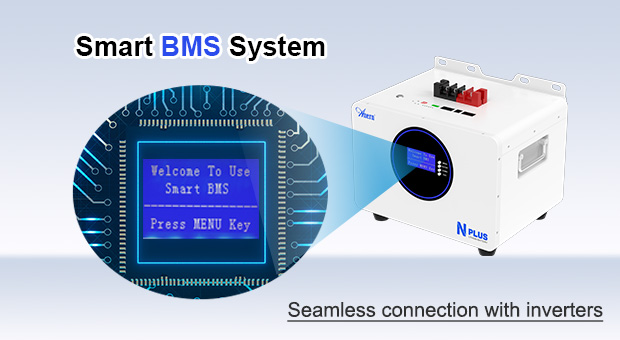
ANERN offers two wall-mounted series (Nplus and Npro) in 5kWh, 10kWh, and 15kWh capacities. Several design choices directly address the decision factors we discussed:
Capacity flexibility and expansion: The single-cell modules support parallel connection with automatic address detection. This means you can start with one 5kWh unit and add another later without complex reconfiguration – exactly matching the "incremental budgeting" approach described earlier.
Long lifespan and safety: Rated service life over 8 years, with high-cycle LiFePO4 chemistry. Built-in intelligent BMS provides comprehensive protection. Certifications include CE, ROHS, UN38.3, and TUV – critical for safety and incentive eligibility.
Installation versatility: The Nplus series supports both wall-mounted and floor-standing installation, while front operation and front wiring simplify electrician access, reducing installation soft costs.
User experience: The Npro series adds an LCD touch screen and power indicator for real-time status monitoring – though system-level monitoring via RS485/CAN communication is available on both series.
For businesses: Commercial solar battery storage
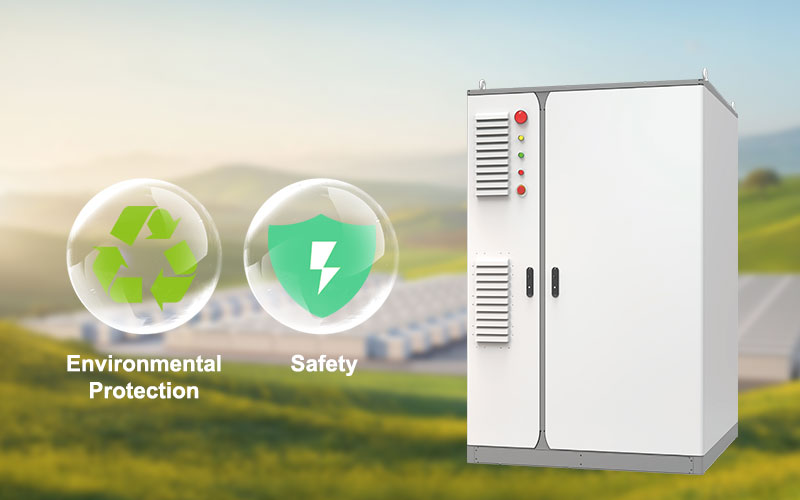
ANERN's commercial series targets factories, office buildings, and industrial parks. Its features align with commercial priorities around scalability, efficiency, and harsh-environment reliability:
Modular and scalable architecture: Designed for on-demand expansion from small commercial (convenience stores) to large industrial parks (manufacturing plants). This matches the commercial payback strategy of starting small and expanding as energy needs grow.
Integrated design with MPPT: The system integrates PV modules, battery storage, and BMS into an efficient "generation-storage-consumption" cycle. MPPT algorithm maximizes solar harvest, while high charge/discharge efficiency reduces energy loss.
High safety and certification: Long-life,like 114KWH 50KW Commercial High-Voltage Lithium Battery(/products/114kwh-50kw-commercial-high-voltage-lithium-battery/) low-attenuation lithium-ion technology, passed international safety standard certifications, and adapted to harsh environments – meaning lower maintenance costs and insurance compliance.
Installation services: ANERN provides site evaluation, layout planning, and guidance on equipment placement, reducing design soft costs for commercial users.
Consideration | Residential (wall-mounted series) | Commercial series |
Typical capacity | 5-30 kWh (1-6 units) | 30-200+ kWh (modular expansion) |
Key value driver | Backup power, TOU savings | Demand charge reduction, reliability |
Installation flexibility | Wall or floor, front wiring | Site evaluation & custom layout |
Certifications | CE, ROHS, UN38.3, TUV | International safety standards |
In 2026, a small residential solar battery system typically costs between five and eight thousand dollars, while a larger whole-home system ranges from twenty to over forty thousand dollars. Commercial installations start at fifty thousand dollars and can go much higher. After applying the federal investment tax credit and available local rebates, many homeowners pay just three to six thousand dollars net for a mid-sized system that provides daily savings and outage protection.
Whether a battery is worth it depends on your situation: with full retail net metering and a reliable grid, a battery may not pay back financially. But if you face time-of-use rates, demand charges, or frequent outages, a quality LiFePO4 battery like ANERN's wall-mounted or commercial series can deliver positive returns within seven to ten years – offering flexible capacity, long cycle life, intelligent battery management, and easy installation while reducing both electricity bills and carbon footprint over its decade-plus lifespan.
Can I add more batteries later if my energy needs grow?
Yes, provided your battery system supports parallel expansion. Both ANERN wall-mounted and commercial series are designed for this. However, it's best to plan for expansion upfront to ensure your inverter and wiring can handle the additional capacity.
How do I know if a battery will work with my existing solar inverter?
Check communication compatibility. Most modern LiFePO4 batteries use CAN, RS485, or RS232. Your inverter must support the same protocol. Many hybrid inverters work seamlessly with ANERN batteries.
What happens to the battery after it degrades below 70% capacity?
It doesn't need to go to waste. Degraded LiFePO4 batteries still have substantial capacity – often 50-70% of original – and can be reused for less demanding applications like off-grid cabins or solar street lights.
Do I need a battery if I have net metering?
Not usually for financial payback. If your utility offers 1:1 net metering, a battery doesn't save additional money. However, a battery still provides backup power during outages – which net metering does nothing for.
How do I safely install a solar battery in my garage or utility room?
LiFePO4 batteries are much safer than lead-acid. Follow manufacturer guidelines: keep in clean, dry, well-ventilated space away from flammable materials; maintain ambient temperature between 0-40°C (32-104°F); and have a licensed electrician handle all connections.