EN
EN
 fr
fr  de
de  es
es  it
it  ru
ru  pt
pt  ar
ar  id
id  ms
ms  uk
uk 

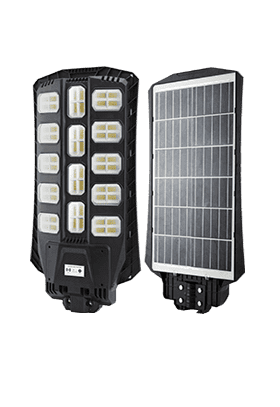
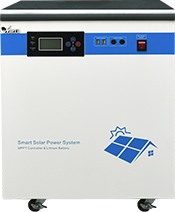


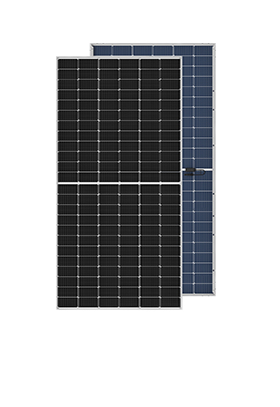
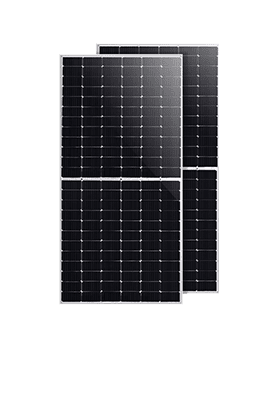
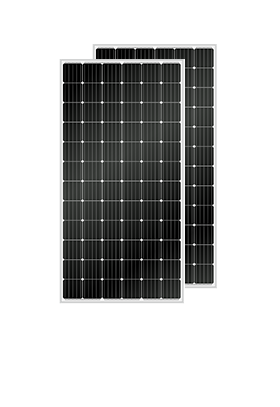
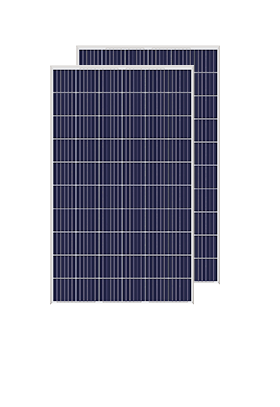



We have cooperated with more than 200 countries in solar energy projects and road lighting projects. We have exported products to many countries and participated in many important government projects around the world.




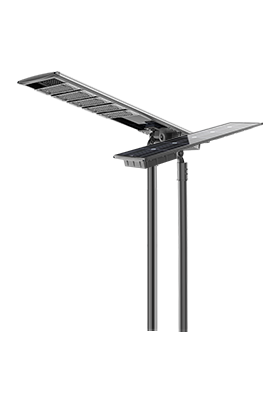


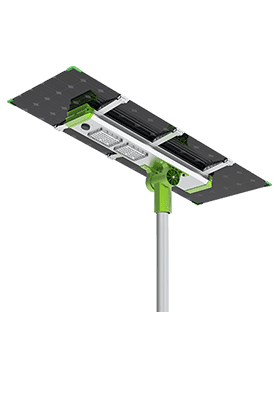




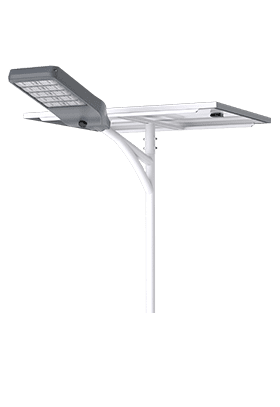
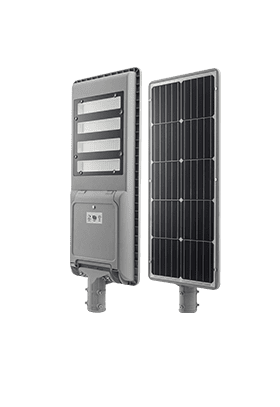
We have cooperated with more than 200 countries in solar energy projects and road lighting projects. We have exported products to many countries and participated in many important government projects around the world.

Anern has 17 years of experience in solar lighting and solar product manufacturing. Anern is headquartered in Guangzhou. With a production base of 30,000 square meters, our company has an R&D team of more than 100 people.
Texas homeowners can take advantage of several incentives available for solar in 2026, including a 30% federal solar tax credit, property tax exemption for renewable energy systems, utility buyback or rebate programs and utility buyback/rebate programs. Unfortunately, Texas does not provide state income tax credits or mandate statewide net metering; thus incentives vary based on electricity provider and service territory.
All eligible Texas homeowners qualify for the federal Investment Tax Credit (ITC).
Credit amount: 30% of total installation cost
Covers: solar panels, solar inverters, battery storage, labor, permits
Valid through: 2032
Requirement: homeowner must own the system
There is no maximum system size limitation.
Example:
A $32,000 solar system may qualify for a $9,600 federal tax credit.
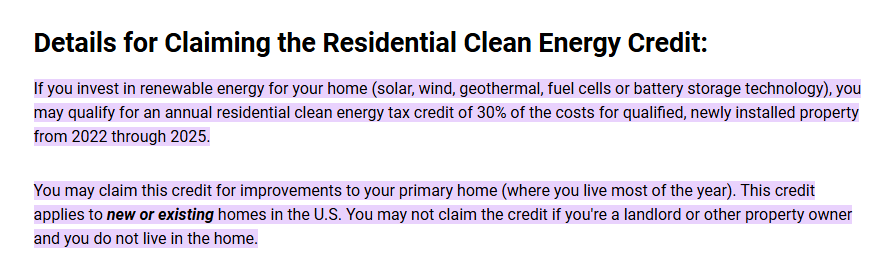
Details for Claiming the Residential Clean Energy Credit
Texas provides a statewide property tax exemption for renewable energy systems.
This means:
Solar panels may increase home value
The added value is excluded from property tax calculations
Homeowners do not pay additional property taxes due to solar
This exemption applies across all Texas counties.
Texas does not provide a statewide solar rebate.
However, some municipal utilities may offer limited solar incentive programs.
Examples include:
Rebate structures may include:
Upfront per-watt rebates
Performance-based incentives
Limited annual funding
Availability varies and may change each year.
Texas does not require utilities to offer net metering.
Instead, many retail electricity providers offer voluntary solar buyback plans.
Under these programs:
Excess electricity is exported to the grid
The provider issues bill credits
Credit rates may be retail rate, wholesale rate, or avoided cost
Some plans cap export credits
Terms depend entirely on the electricity plan selected.
No.
Texas does not mandate statewide net metering.
Homeowners must choose a buyback-enabled electricity plan if they want export compensation.
No.
Texas does not offer:
State solar income tax credit
Statewide solar rebate
Mandatory net meting law
Primary incentives come from federal and local programs.
Homeowner example:
9 kW system
Installation cost: $29,000
Federal tax credit: $8,700
Property tax increase avoided
Buyback credits applied monthly
Actual savings depend on:
Electricity usage
Utility rate plan
Buyback rate
Tax liability
Savings vary by household.
Incorrect. Only the federal tax credit applies.
Incorrect. Buyback programs are voluntary.
Incorrect. Rates vary by electricity provider.
Including this section increases trust and reduces bounce rate.
Solar may be financially beneficial if:
You qualify for the 30% federal tax credit
Your utility offers competitive buyback rates
Your household has high daytime electricity usage
You plan to stay in your home long-term
Solar value depends heavily on electricity plan selection.
30% federal solar tax credit available
Texas provides property tax exemption
No state income tax credit
No mandatory statewide net metering
Utility-based solar buyback programs available
Incentives vary by service territory
The 30% federal solar tax credit.
No statewide rebate. Some municipal utilities offer limited programs.
No. Solar buyback programs are voluntary.
No. Texas provides a renewable energy property tax exemption.
Yes. Solar panels are legal throughout Texas. Homeowners associations (HOAs) cannot prohibit solar installations, but they may regulate placement for aesthetic reasons.
The U.S. Solar incentives and electricity buyback programs may change based on federal legislation, Public Utility Commission decisions, or utility plan updates. Homeowners should confirm current program details before installation.
Read more: