EN
EN
 fr
fr  de
de  es
es  it
it  ru
ru  pt
pt  ar
ar  id
id  ms
ms  uk
uk 

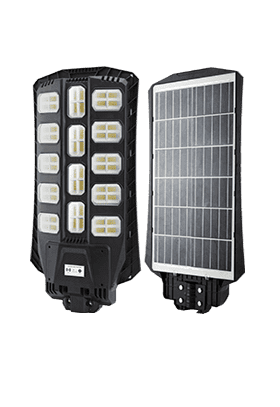
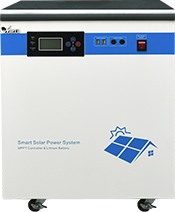


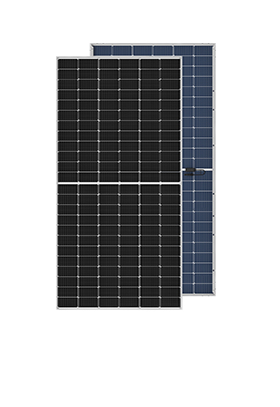
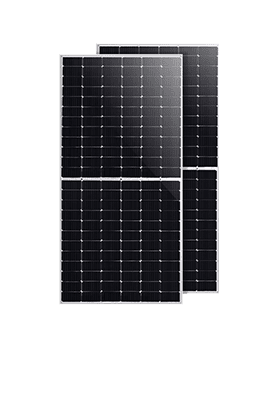
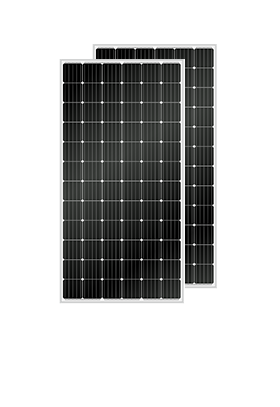
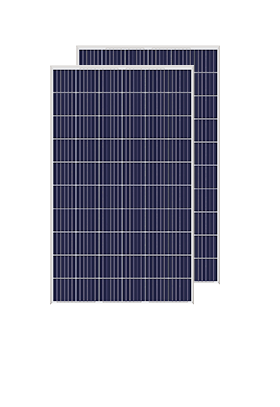


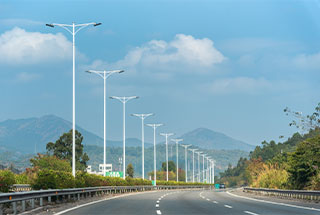
We have cooperated with more than 200 countries in solar energy projects and road lighting projects. We have exported products to many countries and participated in many important government projects around the world.




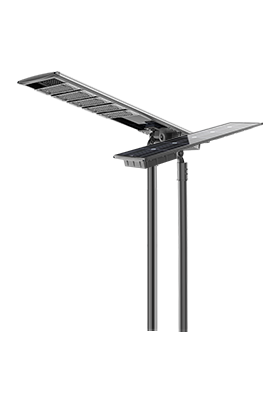


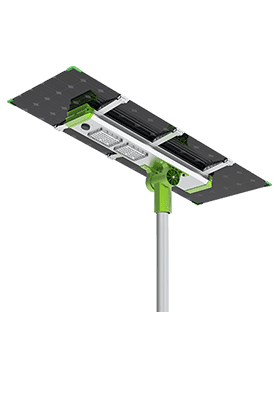
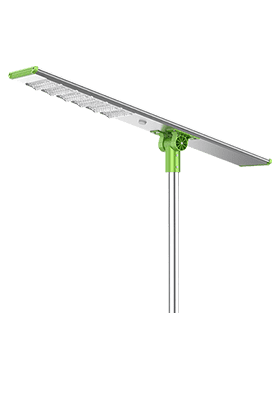
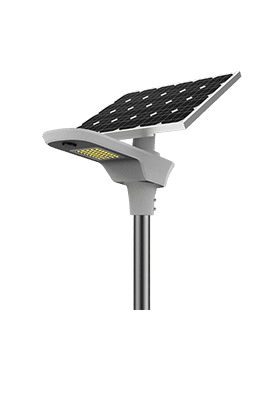


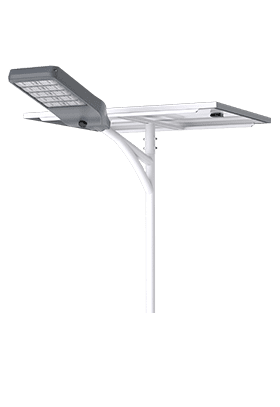
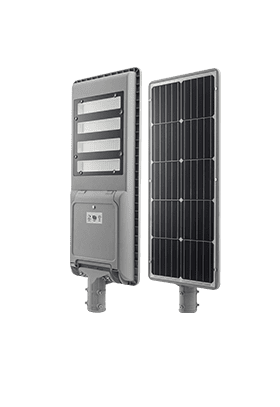
We have cooperated with more than 200 countries in solar energy projects and road lighting projects. We have exported products to many countries and participated in many important government projects around the world.

Anern has 17 years of experience in solar lighting and solar product manufacturing. Anern is headquartered in Guangzhou. With a production base of 30,000 square meters, our company has an R&D team of more than 100 people.
As of 2026, Arizona solar incentives include the 30% Federal Solar Tax Credit, state and local property tax exemptions, available utility solar rebates, and net metering or buyback compensation in many utility territories. Arizona does not offer a statewide income tax credit for solar. Net metering rules and compensation rates vary by utility and service plan. Incentives combined can significantly reduce solar installation costs and increase long‑term savings.
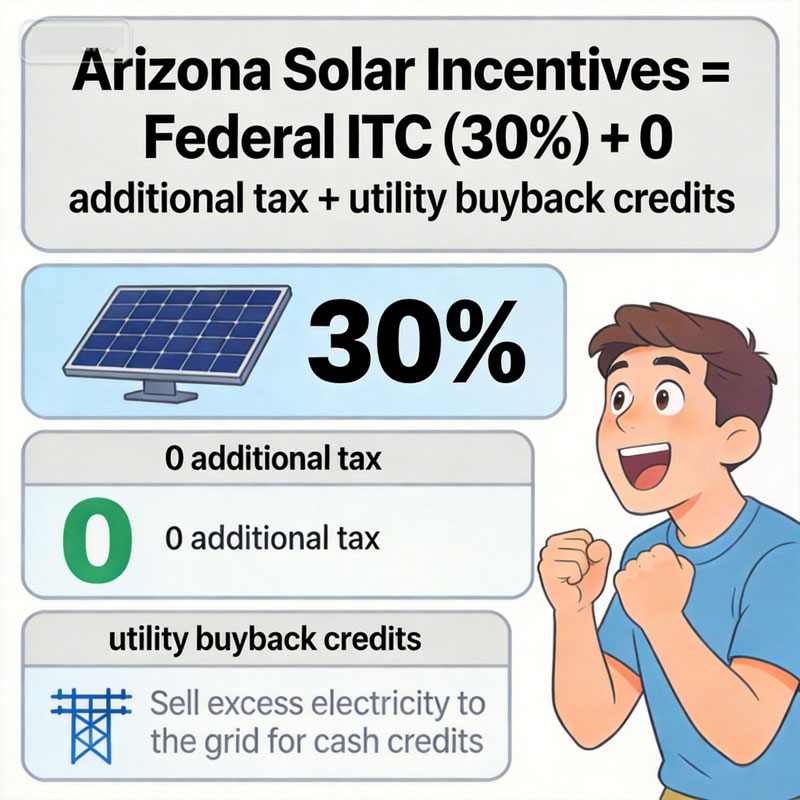
Arizona residents and businesses may benefit from:
Federal Solar Tax Credit (ITC) – 30% of total system cost
State Property Tax Exemption (value added by solar not taxed)
Sales Tax Exemption or reduction (varies locally)
Utility Rebates & Incentive Programs (varies by provider)
Net Metering / Buyback Programs for exported energy credit
Commercial Solar Incentives (MACRS + Bonus depreciation possibilities)
What Arizona Does NOT Offer:
A standalone state income solar tax credit
A mandatory state net metering law (utilities may offer net metering or buyback)
Arizona residents qualify for the Federal Investment Tax Credit (ITC):
Credit amount: 30% of the total installed system cost
Coverage: solar panels, solar inverters, battery storage (if installed at same time), labor and permitting
Applies to both residential solar systems and commercial solar systems if the system is owned (not leased).
There is no maximum size cap at the federal level.
Example:
A 10 kW solar system costing $28,000 would qualify for up to an $8,400 federal tax credit.
Most Arizona cities and counties provide a property tax exclusion for the added value solar brings to a property.
This means:
The market value added by a solar installation is not included in assessed property value
Property tax bills do not increase because of solar
Applies to residential and often to commercial properties
This exemption encourages adoption by protecting investment value.
Arizona does not have a statewide sales tax exemption specifically for solar in all jurisdictions, but:
Some cities/counties exclude solar equipment from local sales tax
In areas with combined sales tax rates of 6–10%, this can still represent meaningful upfront savings
Exact exemptions depend on local tax ordinances
Homeowners should verify requirements with the local tax assessor.
Arizona does not provide a statewide solar rebate program, but multiple utility companies offer rebates or performance incentives:
Examples of utilities offering or historically offering solar incentives include:
Salt River Project
Arizona Public Service
Tucson Electric Power
Incentive types may include:
Upfront per‑watt rebates
Performance‑based incentives
Special programs for low‑income households
Rebate availability and amounts change over time and may be limited by annual or block funding.
Arizona does not have a statewide net metering mandate that applies to all utilities.
Instead, many utilities provide:
Excess solar power exported to the grid results in kilowatt‑hour (kWh) bill credits
Usually credited at the retail rate
Some providers credit at a wholesale or avoided‑cost rate
Compensation may vary by time of day or season
Net metering and compensation structures vary by utility and by plan. Always verify with your local provider before installation.
In addition to the federal ITC, commercial solar projects may also benefit from:
Accelerated depreciation of solar assets for tax purposes
Allows significant tax benefits during the first years of operation
May allow up to 100% first‑year depreciation on eligible system components
Can improve cash flow and ROI
These incentives are federal and applicable in Arizona but interact with state tax codes differently than residential systems.
Solar incentives play a role in:
Reducing upfront costs
Improving long‑term savings
Protecting property value
Offsetting electricity bills
Supporting cleaner local air and grid resilience
Arizona’s strong solar resource and high sunshine levels increase energy production potential relative to many other states.
Example for a typical 8 kW residential system:
| Incentive | Value |
| Federal ITC (30%) | – ~$7,200 |
| Property Tax Exemption | $0 additional tax |
| Estimated utility buyback credits | ~$400–$1,200/yr |
| Estimated Annual Savings | ~$1,000–$1,800 |
| Payback Period | ~6–10 years |
| 25‑Year Estimated Savings | ~$20,000–$45,000+ |
Actual savings depend on:
Local electricity rates
System production
Utility compensation type
Installation cost
❌ “Arizona has a solar income tax credit.”
Arizona does not offer a state solar income tax credit; only the federal ITC applies.
❌ “Net metering is guaranteed statewide.”
There is no state‑wide net metering law. Programs depend on the utility.
❌ “All rebate programs last forever.”
Utility incentives may change or sunset with block funding limits.
Identifying and correcting these misunderstandings increases informed decision‑making.
Solar can be financially worthwhile in Arizona if:
You qualify for the 30% federal tax credit
Your utility offers net metering or competitive export credits
You have high daytime electricity usage
You plan on long‑term residence or property ownership
Arizona’s strong sunlight and high solar production potential increases savings relative to many states with lower insolation.
Check your specific utility’s net metering or buyback rules before installation.
Ask your installer about current rebates — incentives change frequently.
Confirm property tax exemptions with your city/county assessor.
Review commercial tax depreciation strategies if you’re a business owner (MACRS + bonus depreciation).
Compare electricity rate plans to find the most favorable compensation for exported energy.
Q1: Does Arizona offer a state solar tax credit in 2026?
A1: No. Arizona does not offer a standalone state income tax credit for solar systems.
Q2: Does solar increase my property taxes in Arizona?
A2: Typically no. Most local jurisdictions exclude solar value from property tax assessments.
Q3: Are there solar rebates in Arizona?
A3: Solar rebates are not statewide but may be available from specific utilities on a limited basis.
Q4: Does Arizona have net metering?
A4: Net metering or buyback programs often exist, but rules and credit rates vary by utility.
Q5: Is solar usually worth it in Arizona?
A5: Yes — especially with the federal tax credit and Arizona’s high solar output potential.
Solar incentives, utility compensation rules, and rebate availability in Arizona may change in 2026 based on utility tariff updates, state law changes, or federal incentive extensions. Always verify current program details with your utility and a qualified installer.
Data Sources:
U.S. Department of Energy – ITC guidelines
Arizona local utility incentive pages
Arizona property tax assessment
solar incentive data aggregators
Read more: