EN
EN
 fr
fr  de
de  es
es  it
it  ru
ru  pt
pt  ar
ar  id
id  ms
ms  uk
uk 

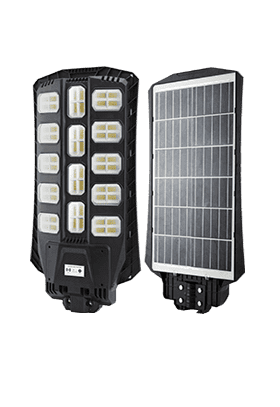


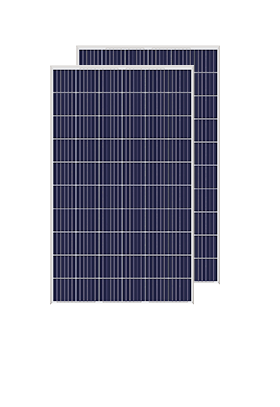


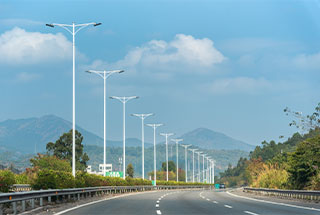
We have cooperated with more than 200 countries in solar energy projects and road lighting projects. We have exported products to many countries and participated in many important government projects around the world.




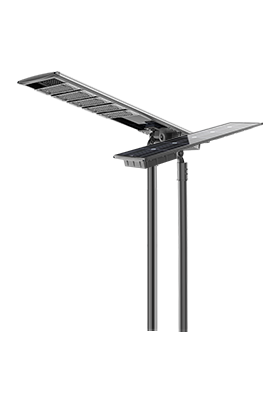


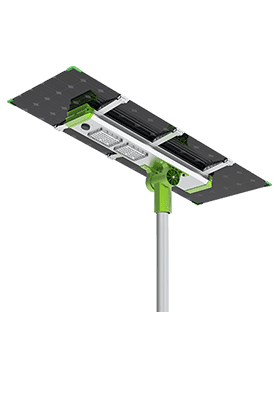

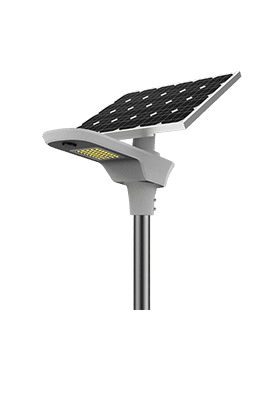


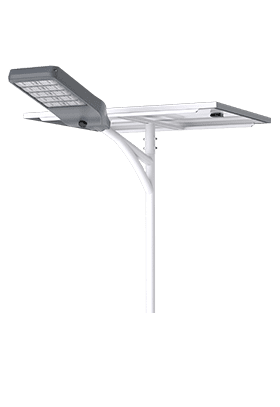
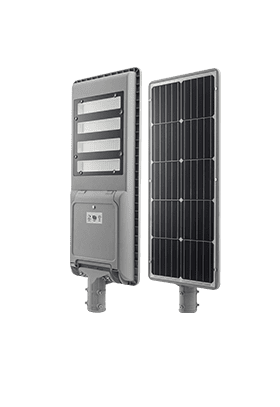
We have cooperated with more than 200 countries in solar energy projects and road lighting projects. We have exported products to many countries and participated in many important government projects around the world.

Anern has 17 years of experience in solar lighting and solar product manufacturing. Anern is headquartered in Guangzhou. With a production base of 30,000 square meters, our company has an R&D team of more than 100 people.
As of 2026, Illinois solar incentives include a state solar tax credit up to $10,000, Solar Renewable Energy Credit (SREC) market or successor production payments, net metering at full retail rate, local utility rebates, and property tax exemptions. Illinois also offers low‑income solar programs and incentives for community solar subscriptions. Combined with the federal Investment Tax Credit (ITC) for systems installed before the end of 2025, these incentives can significantly reduce solar costs and improve long‑term savings.
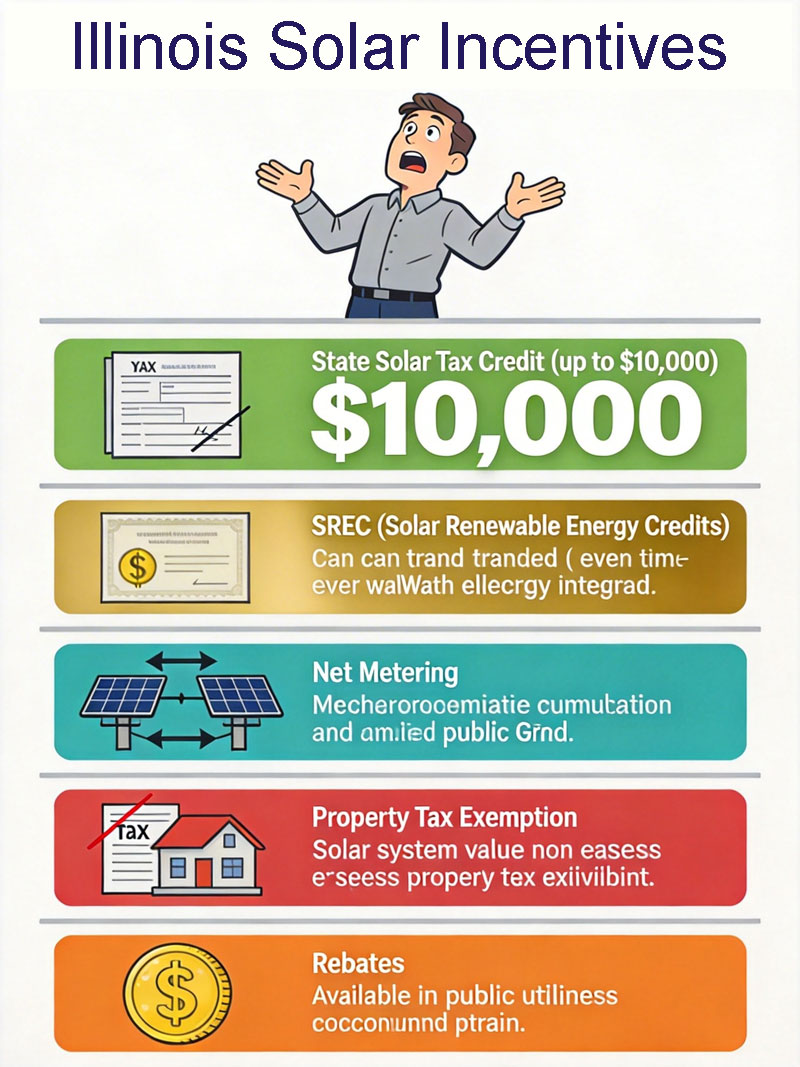
Key solar incentives currently available in Illinois for 2026 include:
Federal Solar Tax Credit (30%) for systems installed before Dec 31, 2025
Illinois State Solar Tax Credit – up to $10,000
Net Metering at full retail rate
Solar Renewable Energy Credit (SREC) Successor Programs
Property Tax Exemption for residential systems
Utility Solar Rebates & Community Solar Programs
Low‑Income Solar Incentives & Solar for All
What Illinois Does Not Offer in 2026:
A guaranteed statewide sales tax exemption for all solar systems
A federal residential solar tax credit for systems installed after 2025
Systems installed before December 31, 2025 may qualify for the Federal Investment Tax Credit (ITC):
30% of total installed system cost
Includes solar panels, inverters, battery storage, labor, and permits
Applies to both residential solar system and commercial solar system installations
There is no maximum system size cap at the federal level
Example:
A $25,000 system could qualify for a $7,500 federal tax credit.
⚠ Note: Systems installed in 2026 or later do not qualify for the residential ITC; only grandfathered systems are eligible.
Illinois offers a state solar tax credit equal to 25% of the installed cost, with a maximum benefit of $10,000 per taxpayer.
Key points:
Applies to both purchased and financed systems
Claimable on Illinois state income tax
Must be claimed within the tax year the system is installed
Carryforward may be possible if tax liability is insufficient
Example
A $30,000 solar installation may qualify for a $7,500 state tax credit (25% of cost), subject to cap rules.
Illinois utilities typically offer net metering:
Excess solar electricity exported to the grid earns 1:1 retail kWh credits
Credits roll over monthly to offset future bills
Systems up to certain capacity limits (varies by utility) qualify
Unused credits at annual true‑up may be compensated per tariff
Retail net metering significantly improves solar economics by valuing generated energy at the same rate you pay for consumption.
Illinois had a long‑running SREC program that paid homeowners for each megawatt‑hour of solar generation. While the original SREC program has phased down, successor or production‑based incentive structures (depending on utility and market conditions) may still offer production payments or credits.
SREC‑like certificates may be tradable or utility‑based
Values vary by market and contracting structure
Contracts may last 10–15 years
Homeowners should ask their installer about current production‑based programs in their utility territory.
Illinois offers a property tax exemption for residential solar systems:
The added value from a solar installation is excluded from local property tax assessments
Protects homeowners from higher property taxes after installation
Exemption applies statewide for qualifying residential systems
Check with your local assessor to confirm requirements and application policies.
Many utilities in Illinois provide solar incentives or community solar access:
Example Programs
Commonwealth Edison (ComEd) – Solar incentive structures and community solar options
Ameren Illinois – Solar rebate and community solar participation programs
Utilities may offer:
Upfront incentives
Performance‑based incentives
Community solar subscriptions with bill credits
Low‑income solar grants
Check your utility’s current offerings, as incentive levels and rules evolve regularly.
Illinois participates in Solar For All and low‑income solar programs funded through state and federal initiatives:
Reduced or no‑cost solar installations for low‑income residents
Community solar credits directed to eligible households
Utility bill reduction programs tied to solar production
Eligibility criteria, application processes, and available benefits vary by program and location. Check with your utility or local energy office.
Solar incentives in Illinois help:
Lower upfront installation costs
Provide long‑term electricity bill savings
Preserve property tax value
Encourage community solar participation
Support equitable access through low‑income incentives
Even without the federal residential tax credit for 2026 installs, state incentives and utility programs still improve solar return‑on‑investment when combined with retail net metering.
Example for a 8 kW system installed in 2025 (qualifying for federal ITC):
| Incentive | Estimated Value |
|---|---|
| Federal ITC (30%) | – ~$7,200 |
| Illinois State Tax Credit (25%, cap $10,000) | – ~$6,000 |
| Net Metering Credits (25 years) | ~$20,000+ |
| Property Tax Exemption | ~$3,000–$5,000+ |
| Utility Incentives / Community Solar | Varies |
| Total Estimated 25‑Year Value | ~$35,000–$55,000+ |
Actual savings depend on utility rate, system production, and compensation structures.
❌ “Illinois doesn’t have a state solar tax credit.”
It does — up to $10,000 based on system cost.
❌ “Net metering always pays you cash.”
Net metering provides bill credits; cash payouts depend on your utility’s tariff rules.
❌ “There are no incentives for renters.”
Community solar programs allow renters to benefit from solar bill credits.
Solar can make financial sense if:
Your system was installed by Dec 31, 2025 to capture the federal tax credit
You claim the state tax credit up to $10,000
You benefit from retail net metering
You participate in utility rebate/community solar programs
You take advantage of property tax exemption
Even for systems installed in 2026 without federal credit eligibility, state incentives and net metering help reduce overall costs.
Install by Dec 31, 2025 to secure federal tax credit eligibility.
Claim the $10,000 state tax credit on your Illinois return.
Leverage retail net metering credits.
Explore community solar if rooftop isn’t viable.
Verify utility rebate programs with your local provider.
Q1: Does Illinois have a solar tax credit in 2026?
A1: Yes — a state solar tax credit up to $10,000 (25% of system cost).
Q2: Is the federal solar tax credit available in 2026?
A2: Only for systems installed before Dec 31, 2025; systems installed in 2026 do not qualify.
Q3: How does net metering work in Illinois?
A3: Retail net metering credits excess solar production at 1:1 for qualified systems.
Q4: Are there solar incentives for renters?
A4: Yes — community solar programs allow renters to benefit from solar bill credits.
Q5: Will solar increase my property taxes?
A5: No — Illinois offers a property tax exemption for qualifying residential solar systems.
Solar incentive details, net metering rules, and rebate program levels may change in 2026 as state and utility policies evolve. Always verify current program information with your solar installer or utility provider before proceeding.
Read more: