EN
EN
 fr
fr  de
de  es
es  it
it  ru
ru  pt
pt  ar
ar  id
id  ms
ms  uk
uk 





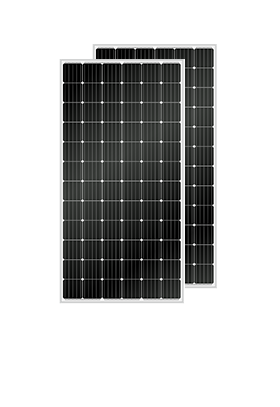
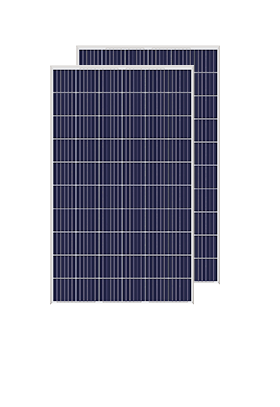



We have cooperated with more than 200 countries in solar energy projects and road lighting projects. We have exported products to many countries and participated in many important government projects around the world.




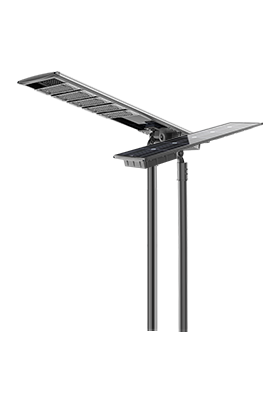


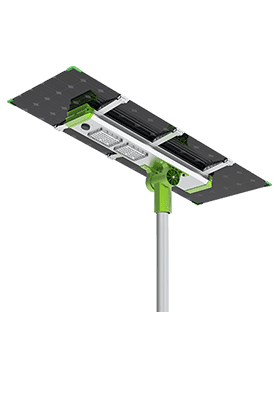






We have cooperated with more than 200 countries in solar energy projects and road lighting projects. We have exported products to many countries and participated in many important government projects around the world.

Anern has 17 years of experience in solar lighting and solar product manufacturing. Anern is headquartered in Guangzhou. With a production base of 30,000 square meters, our company has an R&D team of more than 100 people.
As of 2026, Colorado solar incentives include net metering with retail‑rate credits, state sales and property tax exemptions, utility rebate programs like Xcel Energy Solar*Rewards and local rebates, and select battery incentives when paired with solar. The 30% federal solar tax credit generally no longer applies to systems installed in 2026, but systems completed in 2025 or earlier may still qualify under prior rules. Incentives vary by utility territory and local programs.
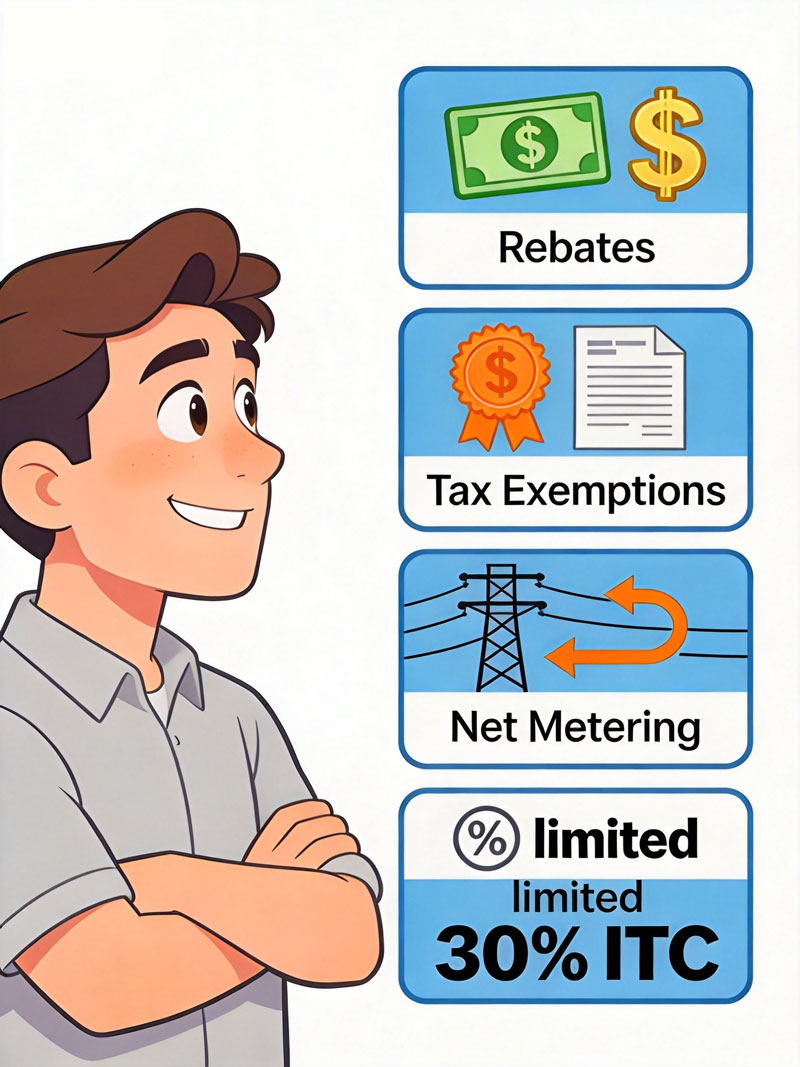
Colorado solar incentives may include:
Federal Solar Tax Credit (ITC) for systems installed in 2025 or earlier
Net Metering / export credits for excess solar production
Colorado Solar Sales Tax Exemption
Colorado Solar Property Tax Exemption
Utility Rebate Programs & Local Incentives
Battery Storage Incentives (varies by provider)
What Colorado Does Not Offer:
A statewide solar income tax credit beyond local utility and rebate programs
Guaranteed sales tax exemptions for all city/county taxes unless locally adopted
The federal Investment Tax Credit (ITC) historically allowed homeowners to claim 30% of the total solar system cost on their federal income tax return. Systems completed and placed in service by December 31, 2025 may still qualify (including carry‑forward of unused credit). Starting January 1, 2026, the residential ITC under Section 25D is generally not available for new installations.
Colorado law requires most utilities and cooperatives to offer net metering or net billing for customer‑owned solar:
Solar owners receive kilowatt‑hour credits for excess electricity sent to the grid
Credits typically offset future electricity usage at the full retail kWh rate with rollover from month to month
Smaller municipal utilities and some co‑ops may have different credit rates or export formulas
Net metering is one of the most valuable ongoing incentives, directly reducing utility bills as long as electricity credits are used.
Colorado provides a solar equipment sales and use tax exemption that removes state sales tax (around 2.9%) on solar system components and installation costs. This can lower upfront project costs and applies automatically at the point of purchase.
Solar energy systems in Colorado generally qualify for a property tax exemption, meaning:
The added value of a solar installation is not included in property tax assessments
Homeowners avoid higher property taxes due to increased property value from solar
This ongoing exemption preserves savings over the long term.
Colorado has a patchwork of local solar rebates and incentives that vary by utility service territory:
Examples of Common Programs
Xcel Energy Solar*Rewards — Income‑qualified and standard per‑watt rebates (e.g., $1 per watt installed) for residential systems.
Holy Cross Energy — Solar rebates per kW installed and other incentive structures.
EnergySmart Colorado — Rebates ranging from several hundred to a few thousand dollars for qualifying installations.
City of Boulder / Denver climate rebates — Local solar + battery incentive programs.
Electric cooperatives (e.g., Mountain Parks Electric) — Smaller rebate programs, typically $500 per system or similar.
Rebate programs often require pre‑approval or application before installation to qualify.
When paired with solar, some utility programs provide battery storage incentives:
Xcel Energy battery rebate — Incentives up to a few thousand dollars for home batteries and additional bill credits for participation in grid support programs.
Local rebates may also apply in cities like Denver and Fort Collins when combined with solar systems.
Battery incentives vary widely and may be paused or change based on program capacity.
Solar incentives in Colorado help:
Lower upfront installation cost via sales tax exemption and rebates
Preserve property value by preventing increased property taxes
Reduce ongoing electricity costs with net metering or export credits
Support battery integration with select utility incentives
Increase long‑term return on investment due to abundant sunshine and net metering benefits
❌ “Colorado has a statewide solar income tax credit.”
Colorado does not offer a general state income solar tax credit beyond local and utility rebates.
❌ “Net metering always equals full retail cash back.”
While net metering credits often equal full retail kWh, actual cash back depends on utility policy and credit use.
❌ “Solar incentives are the same statewide.”
Many rebates depend on your specific utility territory (Xcel, Holy Cross, cooperatives).
Solar can still be worthwhile in Colorado if:
Your system qualified for the federal ITC by being installed in 2025 or earlier
You benefit from net metering or export credits to offset electricity costs
You qualify for utility rebates in your service territory
You want long‑term property tax protection and sales tax savings
Even without the federal residential tax credit for systems installed in 2026, Colorado’s net metering and local incentives can support good long‑term savings.
Apply for utility rebates before installation — pre‑approval is often required.
Verify net metering details with your utility — export and rollover rules vary.
Ask your installer about city‑specific incentives (Denver, Boulder, Fort Collins).
Check battery incentive availability if adding storage.
Confirm property tax exemption procedures with your assessor.
Q1: Does Colorado offer a solar income tax credit?
A1: No. Colorado does not have a broad state solar tax credit; incentives are primarily net metering, sales tax exemption, and utility rebates.
Q2: Is the federal solar tax credit available in 2026?
A2: Generally no for new installs in 2026; systems installed in 2025 or earlier may still qualify.
Q3: How does net metering work in Colorado?
A3: Excess solar energy generates credits at the retail rate, which can be used against future utility bills.
Q4: Are there rebates for solar + battery systems?
A4: Some utilities like Xcel and local city programs offer battery rebates when paired with solar.
Q5: Will solar increase my property taxes?
A5: No. Property tax exemptions typically prevent increases due to added solar value.
Solar incentives, utility rebate program availability, export credit rules, and net metering policies in Colorado may evolve in 2026. Always confirm current program details with utility providers and your solar installer before installation.
Read more: