EN
EN
 fr
fr  de
de  es
es  it
it  ru
ru  pt
pt  ar
ar  id
id  ms
ms  uk
uk 

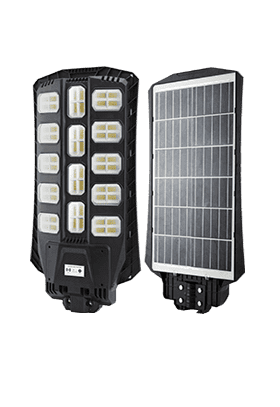
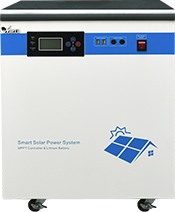


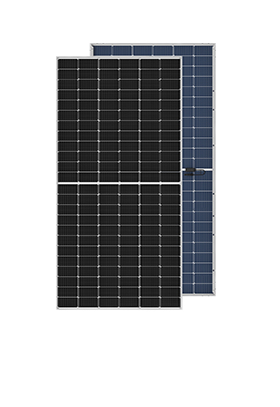
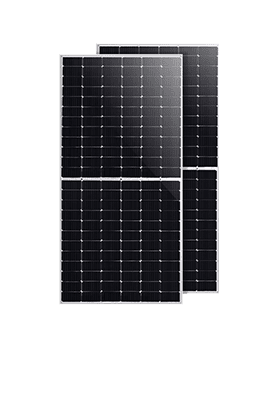
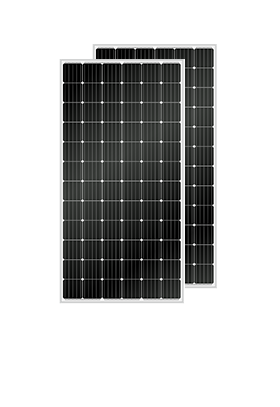


We have cooperated with more than 200 countries in solar energy projects and road lighting projects. We have exported products to many countries and participated in many important government projects around the world.





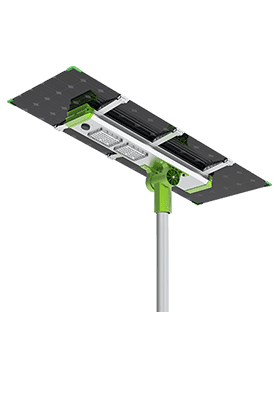
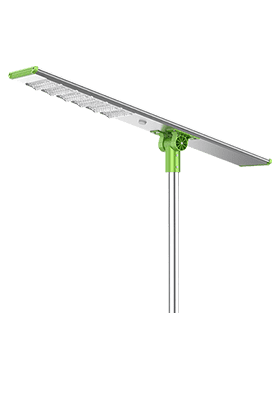
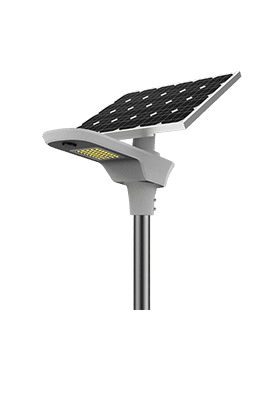


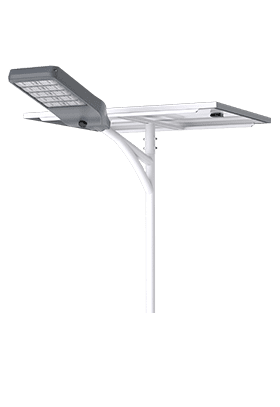
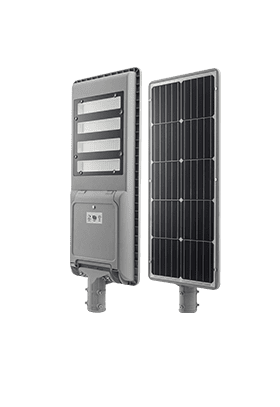
We have cooperated with more than 200 countries in solar energy projects and road lighting projects. We have exported products to many countries and participated in many important government projects around the world.

Anern has 17 years of experience in solar lighting and solar product manufacturing. Anern is headquartered in Guangzhou. With a production base of 30,000 square meters, our company has an R&D team of more than 100 people.
The African Development Bank Group (AfDB) today announced that its Board of Directors has approved a financing facility to support the installation of 500 MEGAwatts of solar energy in the G5 Sahel countries (Burkina Faso, Chad, Mali, Mauritania and Niger).
The World Bank will commit up to $379.6 million in financing and technical assistance to the desert over the next seven years to power G5 facilities in the Sahel.
The money will be used to achieve utility-scale solar power generation through independent generators and energy storage solutions, the ADB said, adding that about 695,000 households will benefit from access to electricity through the project.
"The facility will also support the integration of more variable renewables into the region's power system, particularly through the deployment of innovative battery storage solutions and grid investments," said Daniel Schroth, Acting Director of Renewable energy and Energy Efficiency at the Bank.
In October 2021, the GCF Council approved us $150 million in concessional resources for the facility, which is expected to tap around US $437 million in additional funding from other development finance institutions, commercial banks and private sector developers, the African Development Bank further stated.
The approved facility is part of the wider Desert Power Initiative, led by the African Development Bank, which aims to provide 10 gigawatts of solar capacity and electricity to about 250 million people in 11 Sahelian countries by 2030.
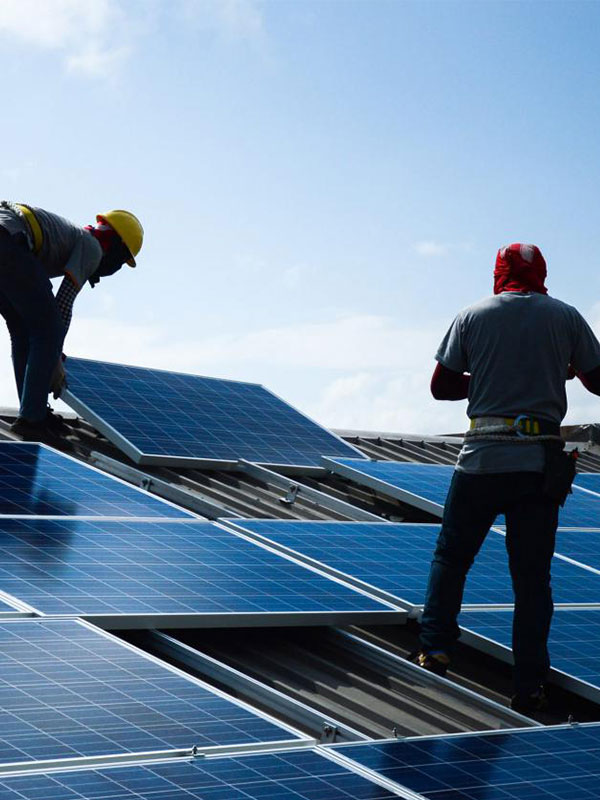
Africa's new energy market has huge potential.
According to the World Energy Outlook 2021 report released by the International Energy Agency, investment needs in the solar industry alone in sub-Saharan Africa will reach $6 billion in 2021. The African Development Bank currently has a $500 million fund to support small-scale renewable energy projects and plans to invest $20 billion in sub-saharan Africa to build a solar power zone covering 11 countries.