EN
EN
 fr
fr  de
de  es
es  it
it  ru
ru  pt
pt  ar
ar  ms
ms  id
id 








We have cooperated with more than 200 countries in solar energy projects and road lighting projects. We have exported products to many countries and participated in many important government projects around the world.





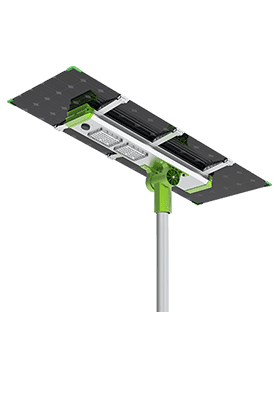
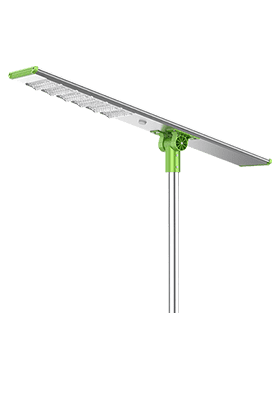
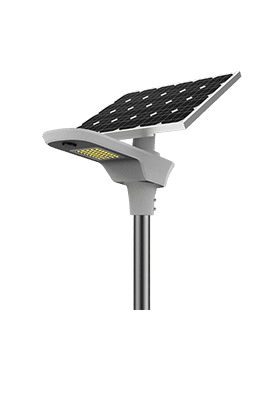


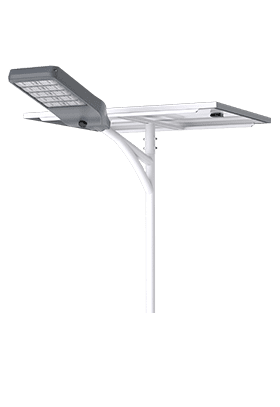
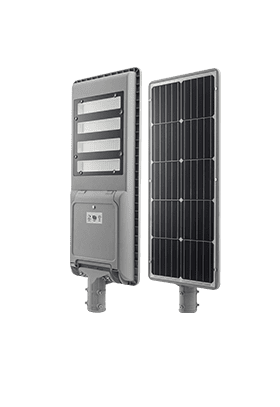
We have cooperated with more than 200 countries in solar energy projects and road lighting projects. We have exported products to many countries and participated in many important government projects around the world.
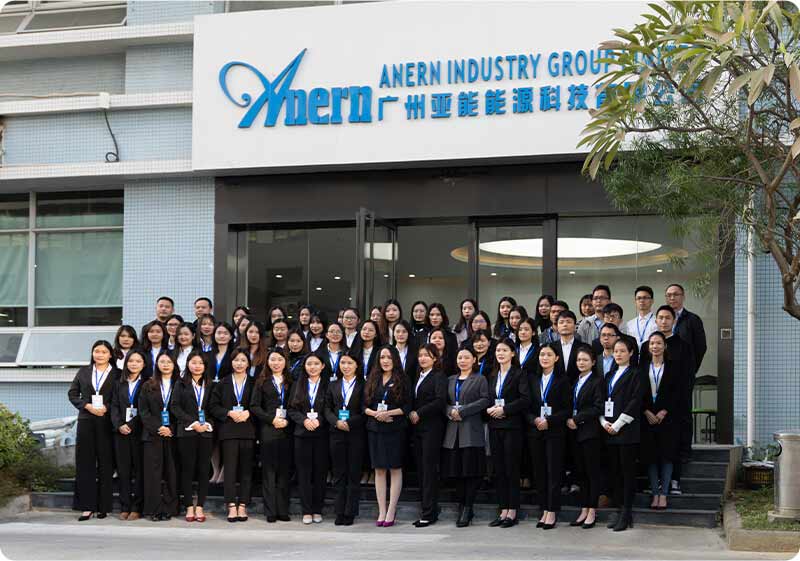
Anern has 17 years of experience in solar lighting and solar product manufacturing. Anern is headquartered in Guangzhou. With a production base of 7,000 square meters, our company has an R&D team of more than 100 people.
When people compare power optimizer vs microinverter, they are usually trying to solve the same real-world solar problem: rooftops are rarely perfect. Shading from trees or chimneys, mixed module orientations, uneven soiling, and natural manufacturing tolerance can all cause certain panels to underperform—and in a traditional string-only design, that underperformance can propagate through a whole string. That is why module-level power electronics (MLPE) have become so popular: they push optimization and visibility closer to the panel.
In today's market, many inverter manufacturers build systems that can be paired with either approach, especially in homes where monitoring, energy management, and battery readiness matter. Product ecosystems commonly seen in brands such as Fox ESS and Deye tend to organize the system around a central inverter and its monitoring platform, while allowing installers to choose whether panel-level electronics should be optimizers or microinverters. The right answer depends less on brand preference and more on roof conditions, system goals, and how you want to operate and maintain the system over 10 to25 years.
A power optimizer is a module-level device installed under (or near) each solar panel that improves how the panel's DC output behaves before it is combined with other panels and delivered to a central inverter. Optimizers do not typically convert DC to AC at the roof; instead, they condition DC at the panel and let the main inverter do the final conversion.
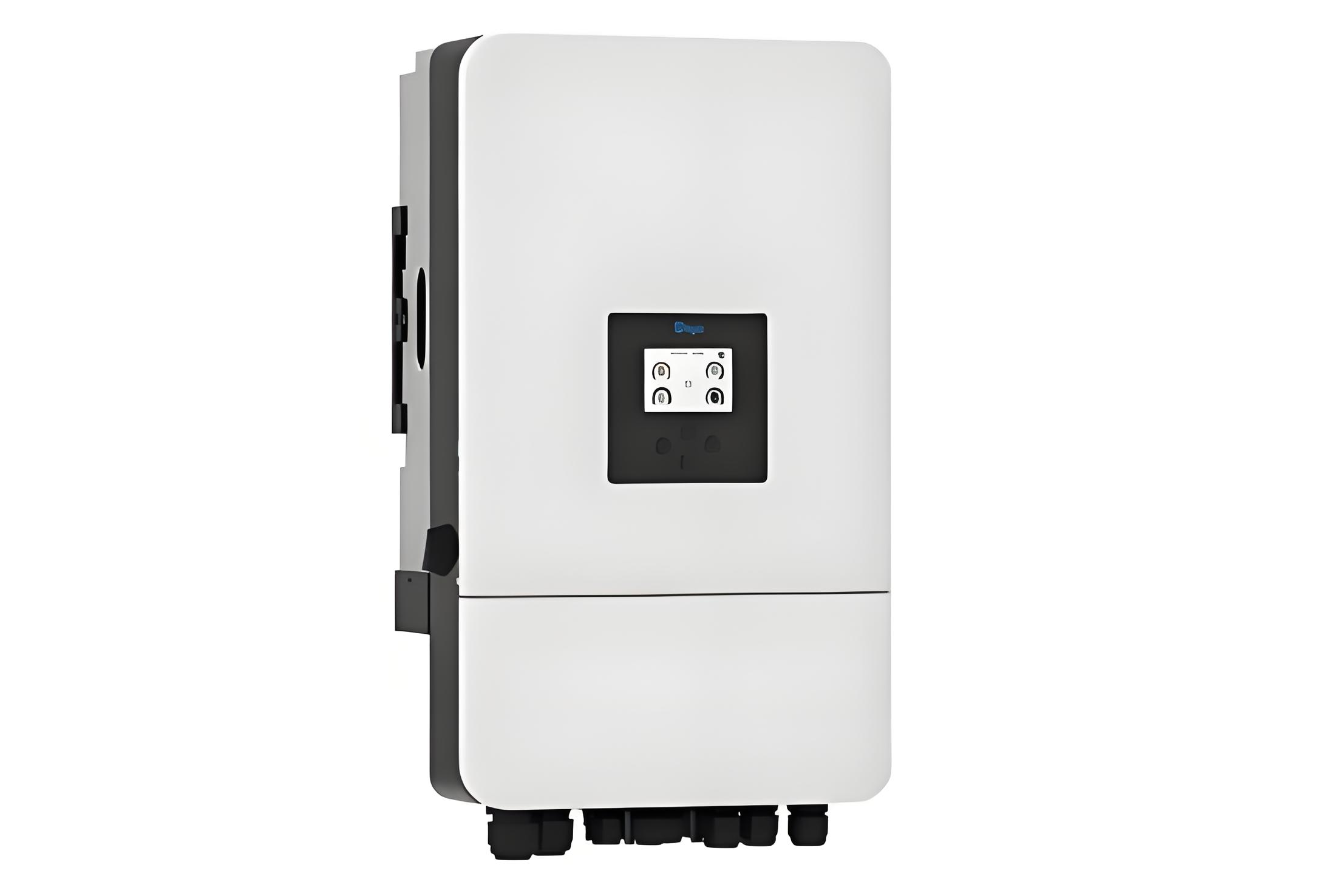
A panel-level DC optimizer is a small electronics device installed at (or near) each solar module that conditions the module's DC output before it joins the rest of the array. Instead of forcing every panel to operate as part of one averaged electrical behavior, the optimizer helps each module work closer to its own best operating point as sunlight and temperature change throughout the day.
This approach is particularly valuable when real roofs introduce inconsistency, such as partial shading from trees or chimneys, uneven soiling, different module ages, or mixed orientations. In these situations, the optimizer reduces how much one underperforming panel can limit the output of neighboring panels, which can improve energy harvest compared with a basic string-only design.
With optimizers, the roof remains primarily a DC system: each panel's output is optimized at the module, then sent downstream as controlled DC. The actual conversion from DC to AC happens later at a single, centralized string inverter (or hybrid inverter), typically installed near the main electrical equipment for easier access.
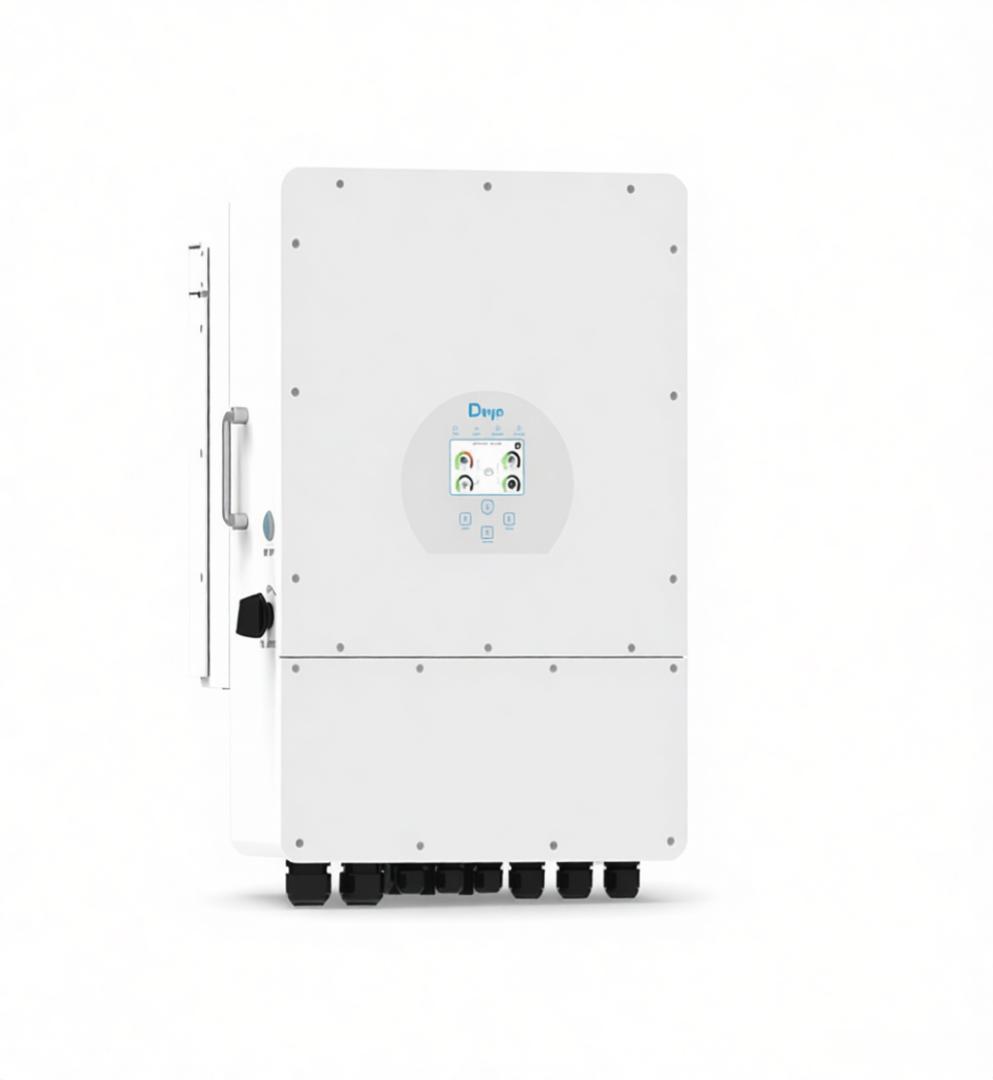
This central inverter architecture is popular because the inverter serves as the system’s control hub for grid interaction and export limitation, and when a hybrid inverter is used, it also manages battery charging and backup operation. It also aligns with how many modern inverter ecosystems are designed, including product portfolios commonly seen across brands such as Fox ESS and Deye, where monitoring, energy management, and optional storage features are built around the capabilities of the main inverter.
The main benefit of power optimizers is higher yield under non-ideal conditions: they reduce mismatch and shading losses by preventing a weaker module from disproportionately dragging down string performance, and many systems can also provide optional panel-level monitoring that helps identify module underperformance, connector issues, or localized shading patterns sooner.
A microinverter is a small inverter installed at each solar panel (or sometimes shared across a pair of panels) that converts DC to AC right at the module. Instead of collecting DC from many panels and converting it in one place, a microinverter system produces AC at the roof and combines it on the AC side.
A microinverter is a true panel-level inverter: it mounts at the module (or serves a small number of modules) and converts DC to AC right on the roof, so each panel outputs grid-compatible AC independently rather than feeding a shared high-voltage DC string to a central inverter.
Because each panel has its own inverter and control, microinverter systems allow modules to run independently; when one panel is shaded or underperforming, the impact is largely confined to that panel, which is why microinverters are often favored for roofs with frequent, uneven, or complicated shading.
Microinverters commonly include panel-level monitoring by design and make incremental expansion more modular because you can add panels without re-optimizing DC string lengths. They are also often associated with improved safety claims since rooftop high-voltage DC is reduced or eliminated, although the overall safety outcome still depends on equipment quality, code compliance, and installation practices.
Both technologies can be excellent. The practical choice comes down to what you are optimizing for: maximum yield on a difficult roof, a clean path to storage integration, minimal single-point-of-failure risk, or easy future expansion.
Category | Power Optimizer + String/Hybrid Inverter | Microinverter System |
Where DC→AC happens | At the central inverter | At each panel |
Shading/mismatch handling | Very good (panel-level DC conditioning) | Excellent (panel independence) |
Monitoring | Often available (panel-level depends on ecosystem) | Typically standard (panel-level) |
Rooftop wiring | High-voltage DC strings (with MLPE controls) | AC trunk cabling; minimal rooftop DC |
Expansion later | Possible, but string design constraints apply | Very modular; add panels easily |
Service approach | Central inverter is accessible; roof devices add points | Many roof devices; one failure affects one panel |
Best fit | Hybrid/battery-focused designs; simpler roof; cost-sensitive | Complex roofs; heavy shading; incremental growth |
In design terms, optimizers still sit within a string-based architecture, so you generally must respect inverter input limits and system layout rules, even if optimizers can relax some mismatch constraints. Microinverters reduce many DC string design concerns because each panel produces AC, but they shift attention to AC branch sizing, trunk cable limits, and how many circuits you'll need as the array grows.
In installation terms, both approaches put electronics under the modules, so rooftop labor can be comparable; the difference is mainly the wiring workflow. Optimizer systems often follow a familiar DC string routing pattern that many crews can execute quickly and neatly, while microinverters typically rely on AC trunk cabling and more distributed AC junctioning across the roof.
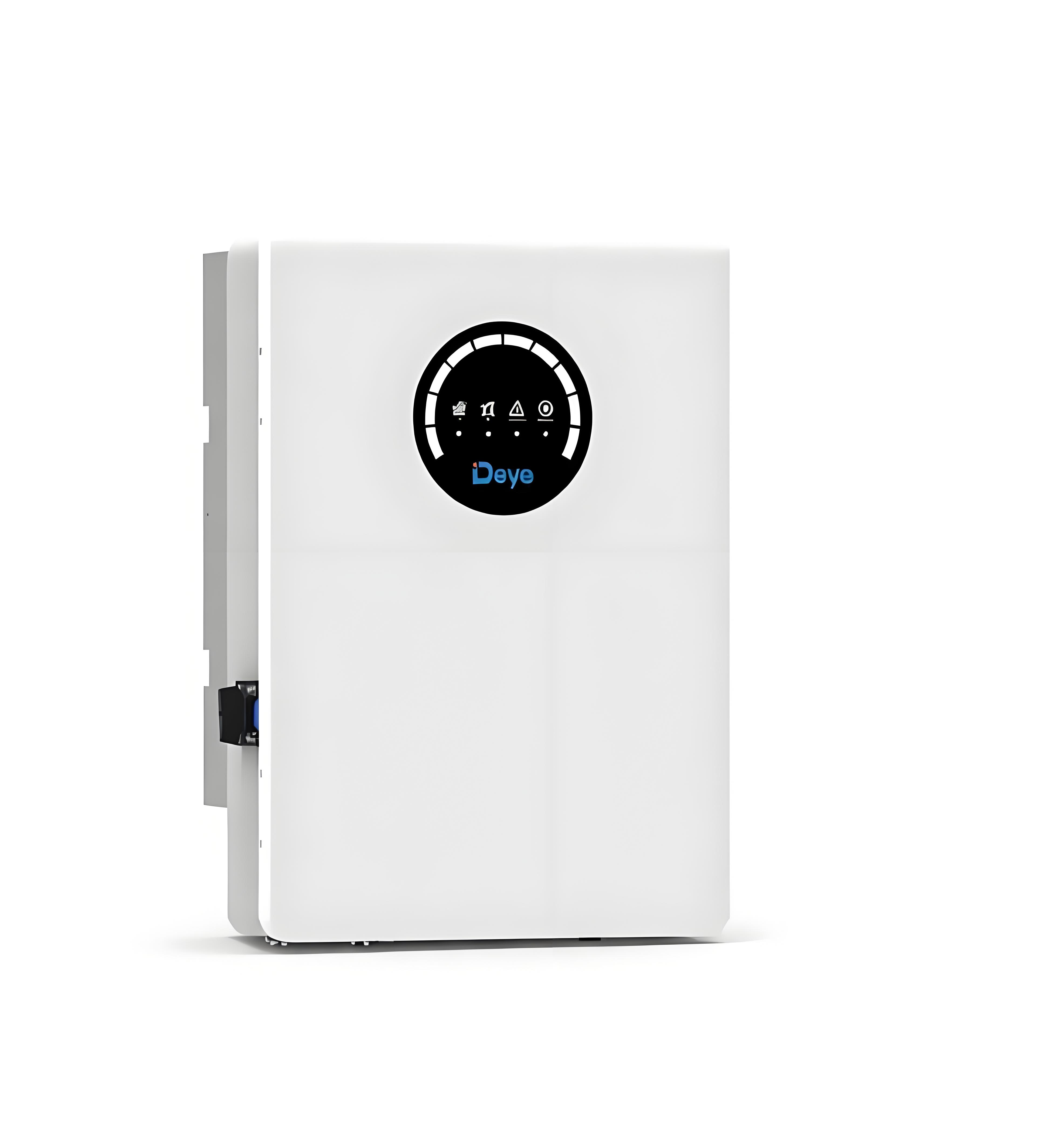
From a maintenance perspective, optimizer plus central inverter designs concentrate critical functionality in one accessible inverter, which is convenient to service, but it also creates a single point of failure that can stop most or all production if the inverter fails. Microinverters distribute risk so that a single failure usually affects only one panel, but replacement may require rooftop access and can take more time depending on the array layout.
Choosing between a microinverter and an optimizer becomes much easier once you identify what you truly value most, whether that is maximizing energy on a challenging roof, simplifying storage control, lowering upfront cost, enabling easier expansion, or following a preferred maintenance strategy. In other words, the best solution is the one that matches your top priorities rather than the one that simply offers the most features on paper.
If your roof is complex (multiple planes, mixed azimuths, dormers) or shading is frequent and uneven, microinverters are often the more intuitive match because each panel operates independently and performance losses tend to stay localized. This is also why microinverters are frequently selected for systems where the owner wants to expand gradually over time: adding panels later is typically more modular because you are not constrained by DC string length, voltage windows, or string balancing in the same way.
If your priorities center on a single system brain that manages grid interaction, export limitation, and especially battery charging/backup behavior, power optimizers paired with a string or hybrid inverter can be a very practical architecture. Many modern inverter ecosystems—including those commonly organized around central inverters and monitoring platforms, as seen in product portfolios like Fox ESS and Deye—naturally support this centralized control model, while optimizers add panel-level mismatch and shading improvement without changing where the main DC→AC conversion occurs.
Power optimizers and microinverters are both MLPE solutions designed to reduce energy loss from shading, mismatch, and uneven roof conditions. Optimizers keep DC on the roof and rely on a central string/hybrid inverter for DC→AC conversion-often a strong fit when you want centralized control and straightforward battery integration. Microinverters convert DC→AC at each panel, making modules operate more independently and simplifying expansion on complex or shaded roofs. The best choice depends on roof complexity, shading patterns, monitoring needs, service preferences, and whether storage/backup is a priority.
Q1: Which performs better under partial shading-optimizers or microinverters?
Microinverters typically perform best under complex, uneven shading because each panel converts power independently. Optimizers also reduce shading and mismatch losses significantly, but they still operate within a string-based architecture.
Q2: Which option is better if I plan to add a battery later?
Power optimizers paired with a hybrid inverter are often the most direct path, because the hybrid inverter acts as the system brain for battery charging, backup behavior, and grid/export control. Microinverter systems can support storage too, but the integration approach may differ by ecosystem.
Q3: What happens if one device fails?
With optimizers, a failure of the central inverter can stop most or all production, while an optimizer issue may reduce output for one module/string depending on design. With microinverters, a single microinverter failure usually affects only that panel, but replacement typically requires rooftop access.
Q4: Which is easier to expand in the future?
Microinverters are usually more modular for expansion because you can add panels without reworking DC string lengths or voltage windows. Optimizer + string/hybrid inverter systems can be expanded, but must stay within inverter input limits and string design rules.
Q5: Is one option safer than the other?
Microinverters reduce or eliminate high-voltage DC on the roof, which is often cited as a safety advantage. However, real-world safety depends on equipment quality, correct protection devices, code compliance, and installation workmanship for either approach.
[1] https://diysolarforum.com/threads/micro-inverter-optimizer-or-combiner-box.81955/
[2] https://forum.cleanenergyreviews.info/t/micro-inverters-enphase-vs-power-optimisers-solaredge-tigo/224