EN
EN
 fr
fr  de
de  es
es  it
it  ru
ru  pt
pt  ar
ar  ms
ms  id
id 

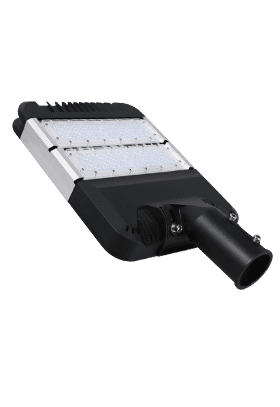
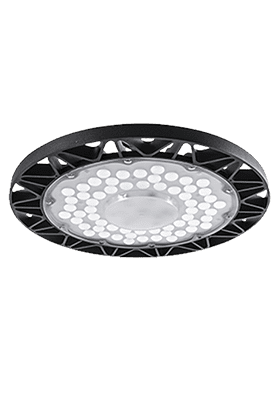
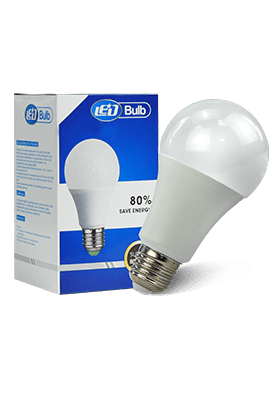
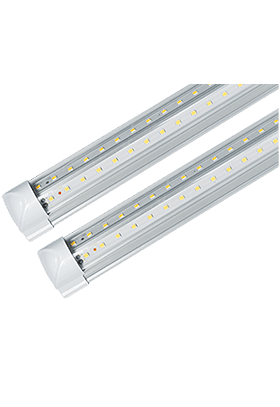



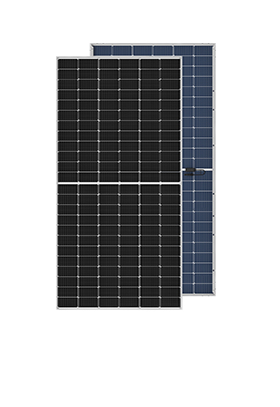
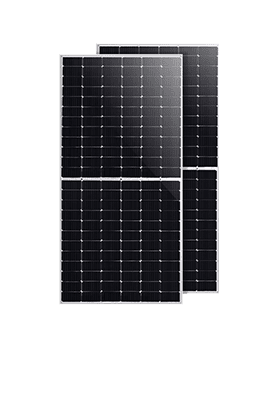
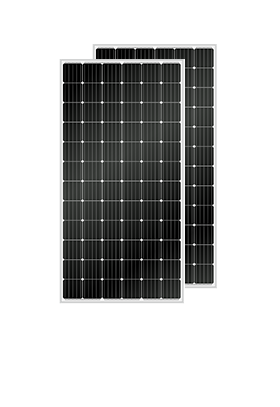
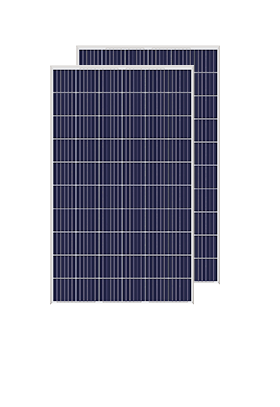


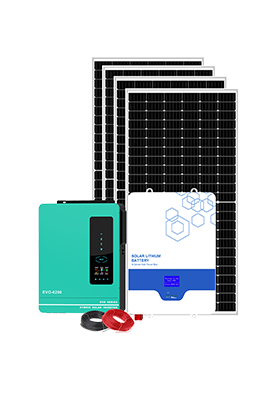



We have cooperated with more than 200 countries in solar energy projects and road lighting projects. We have exported products to many countries and participated in many important government projects around the world.



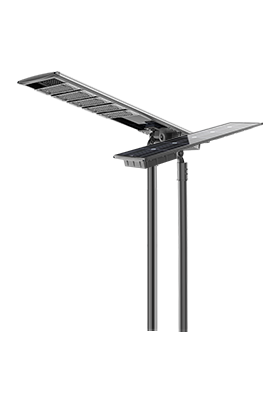


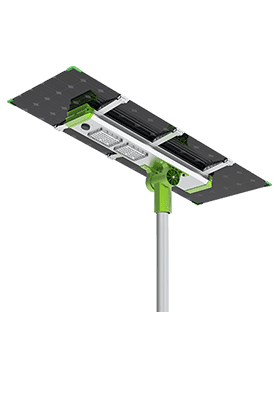
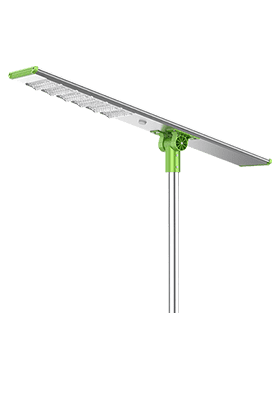
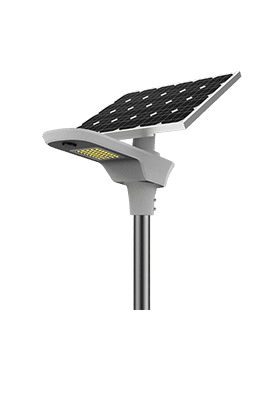


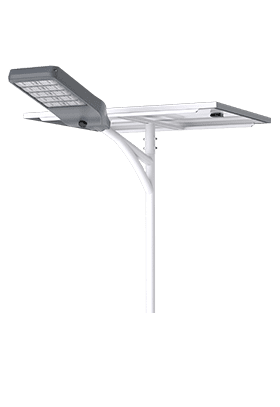
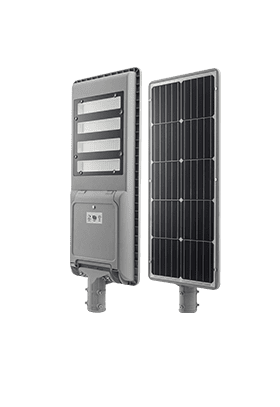
We have cooperated with more than 200 countries in solar energy projects and road lighting projects. We have exported products to many countries and participated in many important government projects around the world.

Anern has 17 years of experience in solar lighting and solar product manufacturing. Anern is headquartered in Guangzhou. With a production base of 7,000 square meters, our company has an R&D team of more than 100 people.
Summary
A hybrid solar inverter is an advanced inverter that combines the functions of a solar inverter and a battery inverter. It manages electricity flow between solar panels, battery storage, and the utility grid, allowing a solar power system to store excess energy and use it later when solar production is low.
Hybrid inverters help maximize solar self-consumption, energy independence, and backup power reliability, making them one of the most widely adopted inverter technologies in modern solar systems.
Because they support both grid-connected and battery-based operation, hybrid inverters are commonly used in residential solar systems, commercial solar installations, and energy storage systems.
A hybrid solar inverter is a power conversion device that integrates solar generation, battery storage, and grid interaction into one intelligent system.
Its main role is to convert DC electricity generated by solar panels into usable AC electricity while intelligently managing how energy flows between: Solar panels, Battery storage, Household loads, and Utility grid.
Unlike traditional solar inverters, hybrid inverters can store excess solar energy in batteries for later use, allowing homes and businesses to reduce reliance on the grid.
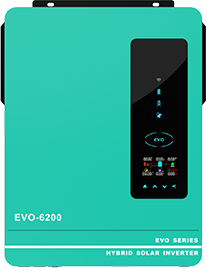
The hybrid solar inverter converts the direct current (DC) electricity generated by the solar panels into alternating current (AC) electricity, which can be used to power household appliances and fed into the electrical grid.
If the solar panels produce more electricity than is immediately needed, the excess energy can be stored in batteries for later use. The hybrid inverter manages the charging process of the batteries, ensuring they are efficiently and safely charged from the solar panels.
When there is a demand for electricity but the solar panels are not generating enough or no power, the hybrid inverter can draw electricity from the batteries to supply the required energy. This feature enables the system to provide electricity during periods of low sunlight or during a power outage.
In a hybrid solar power system, the hybrid inverter can also interact with the electrical grid. It allows for two-way power flow, meaning that excess electricity from the solar panels or batteries can be fed back into the grid, while electricity can also be drawn from the grid when needed. This interaction with the grid provides additional flexibility and reliability to the system. (complying with IEEE 1547 standards).
Hybrid solar inverters typically include monitoring and control capabilities. They can track the performance of the solar panels, batteries, and overall system, providing real-time data on energy production, consumption, and storage. Some inverters also offer advanced features like remote monitoring and control via smartphone apps or web interfaces.
By combining the functions of a solar inverter and a battery inverter, a hybrid solar inverter simplifies the installation and management of a hybrid solar power system. It optimizes energy usage, increases self-consumption of solar power, and provides backup power during outages, making it a versatile and efficient component of a renewable energy setup.
A hybrid inverter, also known as a multi-mode inverter, is a device that combines the functionalities of a grid-tied inverter and a battery-based inverter. Its primary purpose is to manage the flow of electrical energy between renewable energy sources, such as solar panels or wind turbines, the electric grid, and energy storage systems like batteries.
The working principle of a hybrid inverter involves different modes of operation depending on the available energy sources and the demands of the electrical system. Here is a general overview of its operation:
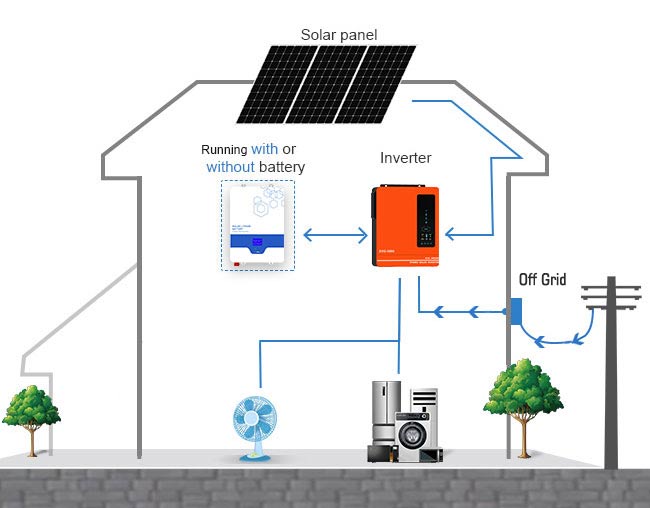
In this mode, when the solar panels or other renewable energy sources generate electricity, the hybrid inverter converts the DC (direct current) power produced by these sources into AC (alternating current) power that can be used by household appliances or fed back into the electrical grid. It synchronizes the AC voltage and frequency with the grid to ensure a stable and safe connection.
When excess energy is generated by the renewable energy sources but not immediately consumed or exported to the grid, the hybrid inverter diverts the surplus energy to charge the connected battery storage system. It regulates the charging process to optimize battery performance and prevent overcharging.
During times when the renewable energy sources cannot meet the electricity demand, such as at night or during periods of low solar irradiation, the hybrid inverter utilizes the energy stored in the batteries. It converts the DC power from the batteries into AC power to power the connected loads, providing continuous electricity supply even when the grid is unavailable.
In the event of a power outage or a failure in the grid supply, the hybrid inverter can automatically switch to a grid backup mode. It disconnects from the grid and operates in an islanded mode, using the energy stored in the batteries to power essential loads, ensuring uninterrupted electricity supply.
To enable these different modes of operation, a hybrid inverter incorporates advanced control algorithms and power electronics components. These components include DC-AC converters, MPPT (Maximum Power Point Tracking) controllers for solar panels, battery charge controllers, grid synchronization circuits, and protective devices to ensure safe and efficient operation.
It's important to note that the specific working principle of a hybrid inverter may vary depending on the manufacturer and the design of the system. Therefore, it's always recommended to refer to the manufacturer's documentation or user manual for detailed information on a particular hybrid inverter model.
| Normal Inverter | Hybrid Inverter | |
| Functionality | A normal inverter converts direct current (DC) power from a battery or solar panels into alternating current (AC) power to run household appliances during power outages. | A hybrid inverter performs the same function as a normal inverter, but it also has additional capabilities to manage multiple energy sources, such as solar panels, batteries, and the grid. It can optimize energy usage by intelligently switching between different power sources based on availability and demand. |
| Energy Sources | A normal inverter typically works with a single energy source, such as a battery or solar panels. | A hybrid inverter can handle multiple energy sources simultaneously. It can integrate power from solar panels, batteries, and the grid, allowing for greater flexibility and energy management. |
| Battery Charging | A normal inverter can charge batteries using power from the grid or a generator, but it cannot charge batteries using solar power. | A hybrid inverter can charge batteries using solar power, grid power, or a combination of both. It can prioritize solar power to charge batteries during the day and switch to grid power when solar energy is insufficient. |
| Grid Interaction | A normal inverter is not designed to interact with the grid beyond providing backup power during outages. | A hybrid inverter is capable of grid interaction. It can export excess energy generated by solar panels back to the grid, allowing for net metering and potentially earning credits or reducing electricity bills. |
| Energy Management | A normal inverter does not have advanced energy management features. It simply converts DC power to AC power and supplies it to the connected load. | A hybrid inverter typically includes advanced energy management features. It can monitor and optimize energy usage based on factors such as energy prices, time of use, and battery capacity, enabling more efficient energy consumption. |
| Energy Independence | A normal inverter provides backup power during outages but relies on the grid as its primary power source. | A hybrid inverter offers a higher level of energy independence. It can combine energy from solar panels and batteries, reducing reliance on the grid and potentially allowing for off-grid operation in certain scenarios. |
These are the main differences between a Hybrid Inverter and a Normal Inverter. The choice between the two depends on specific energy needs, preferences, and the level of energy management and independence desired.
| Hybrid Inverter | Off-Grid Inverter | |
| Functionality | A hybrid inverter is designed to work in both grid-connected and standalone modes. It can operate with renewable energy sources, such as solar panels and batteries, as well as interact with the utility grid. It offers features like energy storage, backup power, and the ability to export excess energy to the grid. | An off-grid inverter is specifically designed for standalone systems where there is no connection to the utility grid. It is used in off-grid or remote locations and works with batteries and other energy sources to provide power independently. |
| Grid Interaction | Hybrid inverters have the capability to synchronize with the utility grid. They can export excess energy generated from renewable sources to the grid and also draw energy from the grid when needed. | Off-grid inverters are not designed to interact with the utility grid as they are meant for self-contained systems. They do not have the ability to export energy to the grid or receive energy from it. |
| Battery Charging | Hybrid inverters are equipped with battery charging capabilities. They can efficiently charge batteries from different sources, such as solar panels or the grid. They optimize the charging process based on factors like battery capacity and available energy sources. | Off-grid inverters are primarily designed for battery charging in standalone systems. They prioritize charging from renewable energy sources, such as solar panels or wind turbines, as there is no grid backup available. |
| Energy Management | Hybrid inverters have advanced energy management systems that can prioritize and manage different energy sources, including solar power, battery storage, and the grid. They can intelligently switch between these sources based on factors like energy availability, time of day, and demand. | Off-grid inverters may not have the same level of energy management capabilities as hybrid inverters. They are typically designed to rely on renewable energy sources and batteries for power in off-grid systems, without the need for complex energy management functions. |
In summary, the main differences between a hybrid inverter and an off-grid inverter lie in their functionality, grid interaction capabilities, battery charging features, and energy management systems. Hybrid inverters are designed for systems that can operate both on and off the grid, while off-grid inverters are specifically tailored for standalone systems without any connection to the utility grid.
As an engineer with 16 years in the field, I recommend evaluating these technical benchmarks:
Conversion Efficiency: MPPT Efficiency: 99.0% - 99.9%; Max. Efficiency (PV to AC): 97.0% - 98.5%; Euro Efficiency: 96.5% - 97.5%; Battery Charge/Discharge Efficiency: 94% - 95.5%
Battery Chemistry Compatibility: Ensure the inverter supports BMS (Battery Management System) communication for Lithium Iron Phosphate (LiFePO4) batteries.
Switching Time: For sensitive electronics, a switching time of <10ms is critical for seamless backup.
Scalability: Select modular designs (like the Anern EVO Series) that allow for parallel expansion as your energy needs grow.
Certification: Verify compliance with UL 1741, FCC, IEC 62109-1/-2, and CE to ensure long-term safety and grid legalities.

According to industry performance benchmarks [3], the operational lifespan of a hybrid solar inverter typically ranges from 10 to 15 years, depending on thermal management and load cycling. Read more: What Factors Affect the Lifespan of Inverters?
Yes. A hybrid solar inverter can operate without a battery by working like a standard solar inverter. It converts DC power from solar panels into AC power for home use or grid export. However, without a battery, excess solar energy isn’t stored, so power is only available during sunlight hours. When a battery is connected, the inverter can also store excess power and supply it when solar output is low or at night.
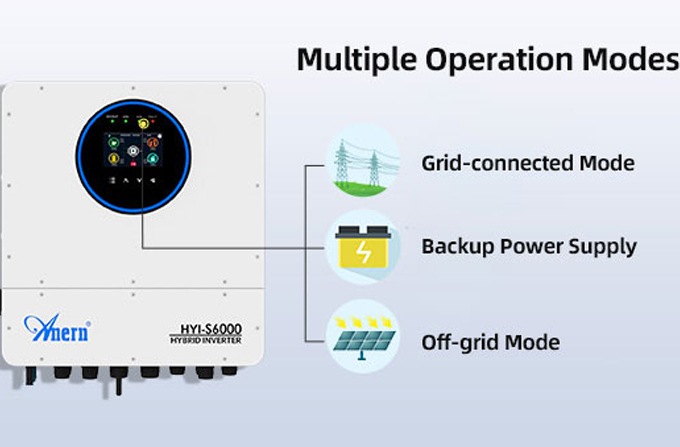
Hybrid solar inverters manage grid failures in three ways:
Grid-tie mode: Disconnects from the grid during outages to ensure safety, pausing power supply until the grid returns.
Backup mode: Uses a connected battery to supply power automatically during outages, then recharges once the grid is restored.
Off-grid mode: Runs independently from the grid using solar panels and battery storage, ideal for remote areas or long outages.
To read more: How Hybrid Solar Inverters Safeguard Against Grid Failures
During excess solar production, a hybrid inverter can:
Feed power to the grid if connected, earning credits or payments.
Charge batteries to store surplus energy for later use.
Power household loads directly once batteries are full.
Reduce output (curtailment) when storage and grid export aren’t available, preventing system overload.
Managing Excess Solar Production with Hybrid Inverters: A Closer Look
Yes, hybrid solar inverters can be suitable for commercial use. Hybrid solar inverters are designed to work with both solar panels and battery storage systems, allowing for greater flexibility and control over the electricity generated from solar energy. They are commonly used in both residential and commercial settings.
The payback period for a hybrid solar inverter system refers to the amount of time it takes for the initial investment in the system to be recouped through energy savings and potentially other financial benefits. In simpler terms, it is the duration it takes for the cumulative energy savings generated by the system to equal the initial cost of the system. The concept of the payback period is crucial for evaluating the financial feasibility and attractiveness of investing in a hybrid solar inverter system
Yes, hybrid solar inverters are designed to be compatible with a variety of battery technologies. Their versatility allows them to work seamlessly with different types of batteries, each with its own characteristics and advantages. This compatibility is a significant advantage, as it enables users to choose the battery technology that best suits their needs, budget, and specific energy goals.
[1] Solar Hybrid Systems: Design and Application.[J]. Ahmet Aktas, Yagmur Kircicek · 2021
[4] Grid-tied and stand-alone hybrid solar power system for desalination plant.[J]. C Ghenai, A Merabet, T Salameh, EC Pigem - Desalination, 2018 - Elsevier