EN
EN
 fr
fr  de
de  es
es  it
it  ru
ru  pt
pt  ar
ar  ms
ms  id
id 

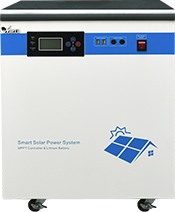


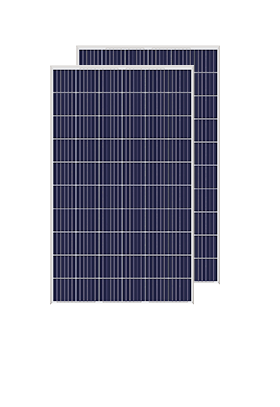



We have cooperated with more than 200 countries in solar energy projects and road lighting projects. We have exported products to many countries and participated in many important government projects around the world.




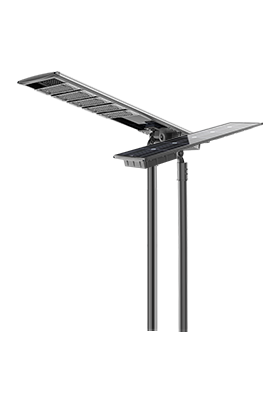


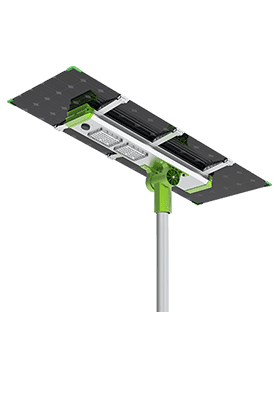
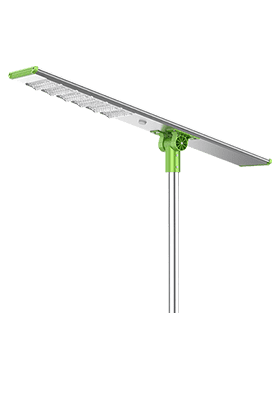
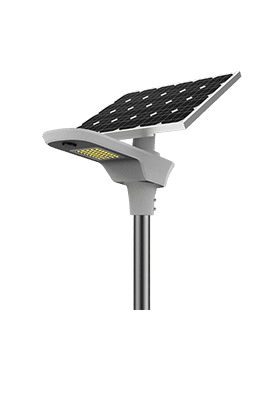


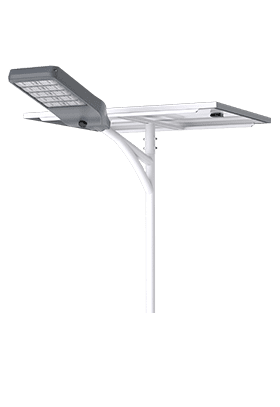
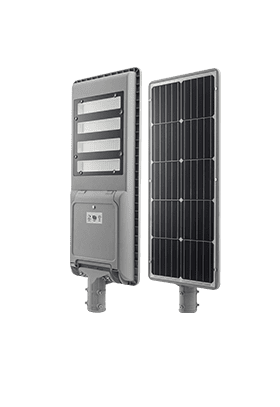
We have cooperated with more than 200 countries in solar energy projects and road lighting projects. We have exported products to many countries and participated in many important government projects around the world.

Anern has 17 years of experience in solar lighting and solar product manufacturing. Anern is headquartered in Guangzhou. With a production base of 30,000 square meters, our company has an R&D team of more than 100 people.
Pure Sine Wave Inverter – Quick Summary
A pure sine wave inverter converts DC electricity from batteries or solar panels into AC power with a waveform identical to utility grid electricity. Because it produces clean and stable electricity, pure sine wave inverters are ideal for sensitive electronics, appliances with motors, and solar energy systems.
Key advantages of pure sine wave inverters include:
• Stable power for all electronic devices
• Lower electrical noise and heat
• Better efficiency and battery performance
• Ideal for solar power systems and backup power
Pure sine wave inverters are widely used in off-grid solar systems, RVs, backup power solutions, and medical or telecommunication equipment.
In this guide, we’ll explore everything you need to know about pure sine wave inverters — what they are, how they work, the key differences between modified and pure sine wave inverters, and why a pure sine wave inverter is essential for reliable home solar systems and off-grid power setups. Keep reading to understand how choosing the right inverter can improve energy efficiency and protect your electronics.
A pure sine wave inverter is an advanced power conversion device that transforms direct current (DC) from sources like batteries or solar panels into alternating current (AC), which is the type of electricity typically supplied by utility companies. The key feature of a pure sine wave inverter is its ability to produce a smooth, consistent, and high-quality AC waveform that closely mimics the sine wave shape of utility power.

The main function of a pure sine wave inverter is to convert direct current (DC) from sources like batteries, solar panels, or other DC power supplies into alternating current (AC), which is the standard form of electricity used by most household appliances and electronic devices.
The inverter generates a smooth and consistent sine wave that closely mimics the waveform of utility-supplied AC power. This high-quality output is crucial for the proper functioning of sensitive electronics. By producing a pure sine wave, the inverter minimizes harmonic distortion, which can cause electrical noise and interference in connected devices.
The inverter ensures that the output voltage remains stable and within a specified range, providing a consistent power supply to connected devices. This function helps protect sensitive electronics from voltage fluctuations that could potentially cause damage.
The inverter maintains a consistent output frequency (typically 50Hz or 60Hz, depending on the region), which is essential for the proper operation of many electronic devices and appliances.
Anern pure sine wave inverters come with built-in protection mechanisms to prevent damage from overloads, short circuits, and other electrical faults. These features help ensure the safety and longevity of both the inverter and the connected devices.
Here are the step-by-step processes involved in how a pure sine wave inverter works:
DC Power Input: The pure sine wave inverter is connected to a DC power source, such as a battery or a DC power supply.
Pulse Width Modulation (PWM): The DC power is converted into a high-frequency AC signal using Pulse Width Modulation (PWM). In this process, the DC power is rapidly switched on and off at a high frequency, typically tens of thousands of times per second, to create a square wave AC signal.
Filter Stage: The square wave AC signal is then passed through a filter stage, which smoothens the signal and removes the high-frequency components, resulting in a closer approximation of a sine wave.
Voltage Regulation: The filtered AC signal is then fed into a voltage regulation stage, where the output voltage is adjusted to match the desired AC output voltage, typically 120V or 230V, depending on the region and application.
Sine Wave Generation: The adjusted AC signal is then processed through a sine wave generation stage, which uses complex algorithms and techniques to convert the square wave or modified sine wave into a pure sine wave. This process involves shaping the waveform to replicate the smooth curve of a natural sine wave.
Output Stage: Finally, the pure sine wave output is amplified to the required power level and sent to the AC outlets of the inverter, where it can be used to power a wide range of electronic devices and appliances, just like utility company power.
Download:
| Feature | Modified Sine Wave Inverter | Pure Sine Wave Inverter |
| Waveform | Produces a stepped, approximated sine wave | Produces a smooth, continuous sine wave |
| Power Quality | Lower quality, may cause noise and interference | High quality, clean stable power |
| Compatibility | Suitable for simple devices (lights, fans, etc.) | Suitable for all devices, including sensitive electronics |
| Efficiency | Generally less efficient | Vore efficient, less energy loss |
| Cost | Typically less expensive | Generally more expensive |
| Applications | Basic applications, non-sensitive electronics | Sensitive electronics, medical equipment, audio/video |
| Harmonic Distortion | Higher harmonic distortion | Minimal harmonic distortion |
| Device Performance | May cause devices to run hotter or noisier | Devices run smoothly and quietly |
| Voltage Regulation | Less precise voltage regulation | Precise voltage regulation |
| Frequency Stability | Less stable frequency | Stable and consistent frequency |
| Battery Life Impact | May reduce battery life due to inefficiency | Better for battery life due to higher efficiency |
| Noise and Interference | More likely to cause electrical noise and interference | Minimal electrical noise and interference |
| Surge Capacity | Generally lower surge capacity | Higher surge capacity |
| Use in Renewable Energy | Less ideal for solar and wind systems | Ideal for solar and wind systems |
| Overall Reliability | Less reliable for sensitive applications | Highly reliable for all applications |
The key practical difference between modified and pure sine wave inverters lies in the waveform quality and its impact on efficiency, noise, and device compatibility. If you want a more engineering‑level explanation of how waveform shape affects motors, transformers, and audio equipment, this technical note on harmonic distortion in AC power provides a useful reference.
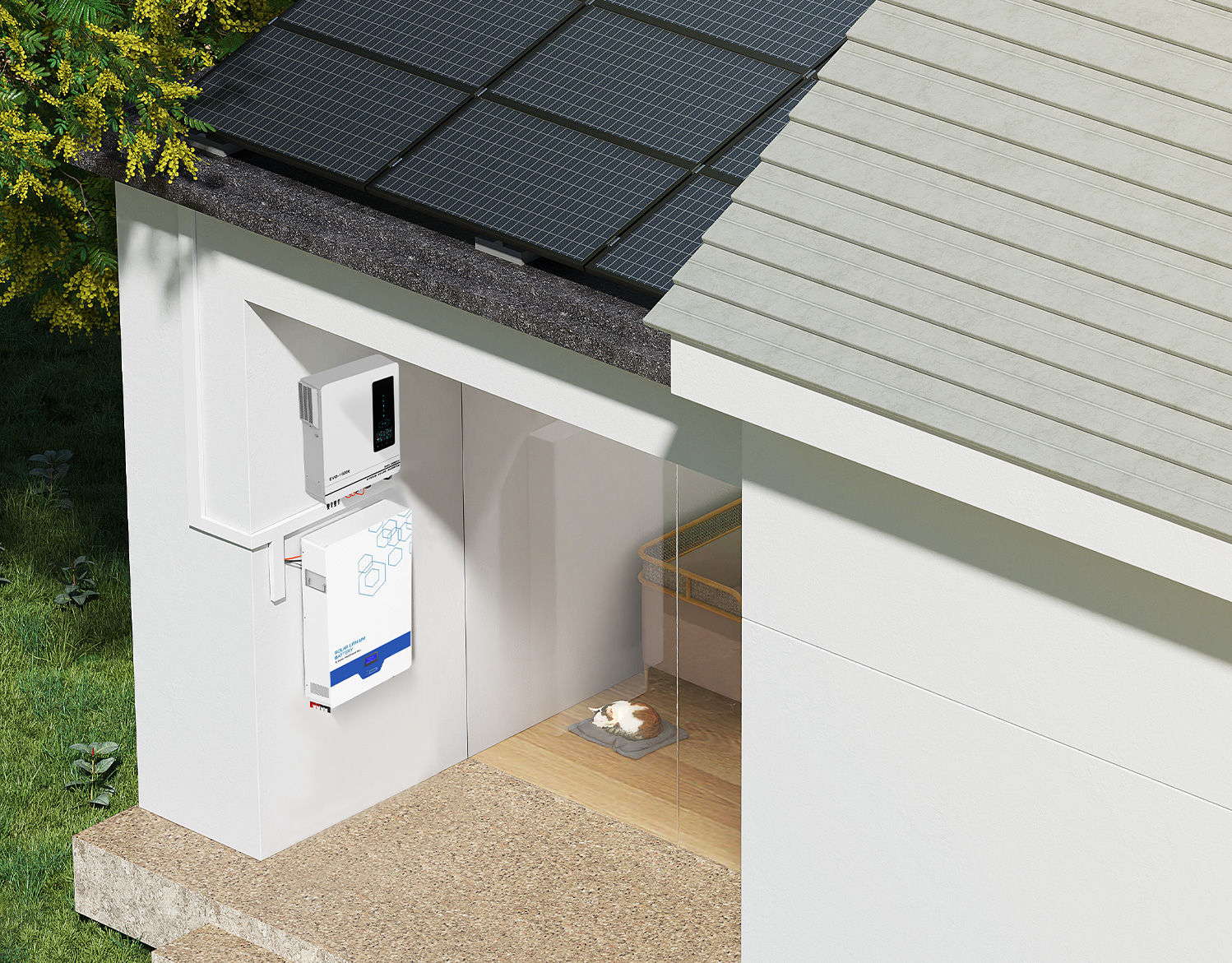
When choosing the proper pure sine wave inverter that can meet the requirements of a particular application, there are several factors that need to be taken into consideration. A few key considerations include:

Conversion efficiency is a crucial metric for assessing an inverter's performance, indicating the percentage of energy effectively utilized during the DC to AC conversion process. In general, higher conversion efficiency results in lower energy loss.
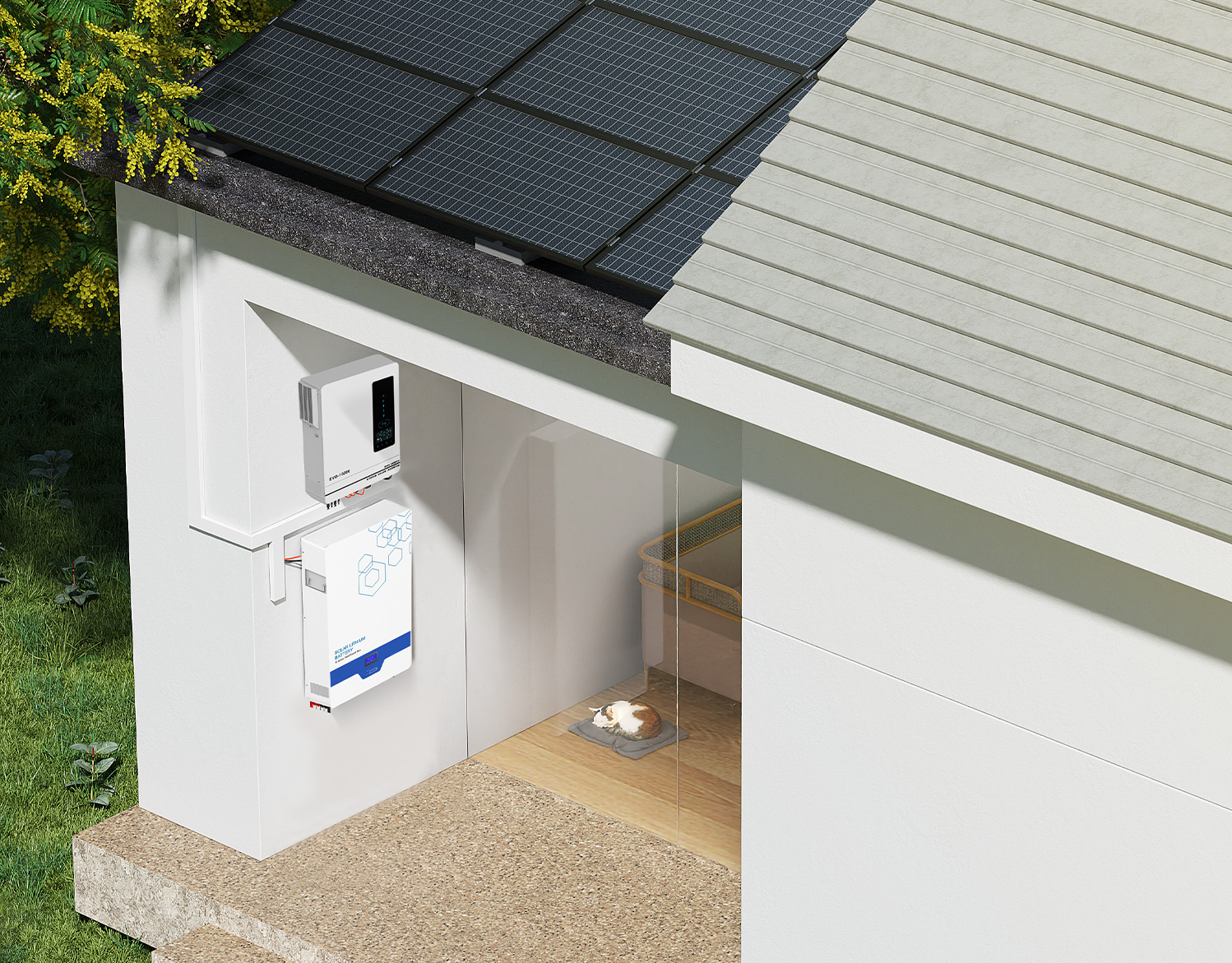
Modern high-efficiency inverters, like those in Anern's AN-SCI-EVO Series solar inverter, boast high conversion efficiency. Choosing an efficient inverter not only minimizes energy consumption but also reduces heat generation and extends the lifespan of the equipment. Therefore, when selecting a solar power inverter, it is essential to consider its conversion efficiency to ensure optimal use of electrical energy.

The capacity of an inverter, typically measured in watts, indicates the maximum power it can deliver. Selecting the appropriate inverter capacity is critical for overall performance. If the inverter capacity is too low, it may not meet the load requirements, leading to inverter overload or potential equipment damage. Conversely, an excessively high inverter capacity won't affect performance but will result in unnecessary investment.
Therefore, it's important to choose a power inverter based on a calculated total power demand for your home or device. Generally, adding a 20% to 30% margin ensures that the inverter operates safely even at maximum loads.

Another important consideration is the compatibility of the inverter. Different brands or models may require specific types of batteries (such as lead-acid or lithium batteries) and particular solar panel specifications (such as power and voltage). Ensuring that the inverter is compatible with your existing battery and solar system is essential for maintaining overall efficiency and stability.
Manufacturer-provided technical specifications and compatibility guidelines are valuable when selecting the best inverter. These instructions help ensure that the inverter will seamlessly connect with your battery and solar system, allowing for optimal performance.
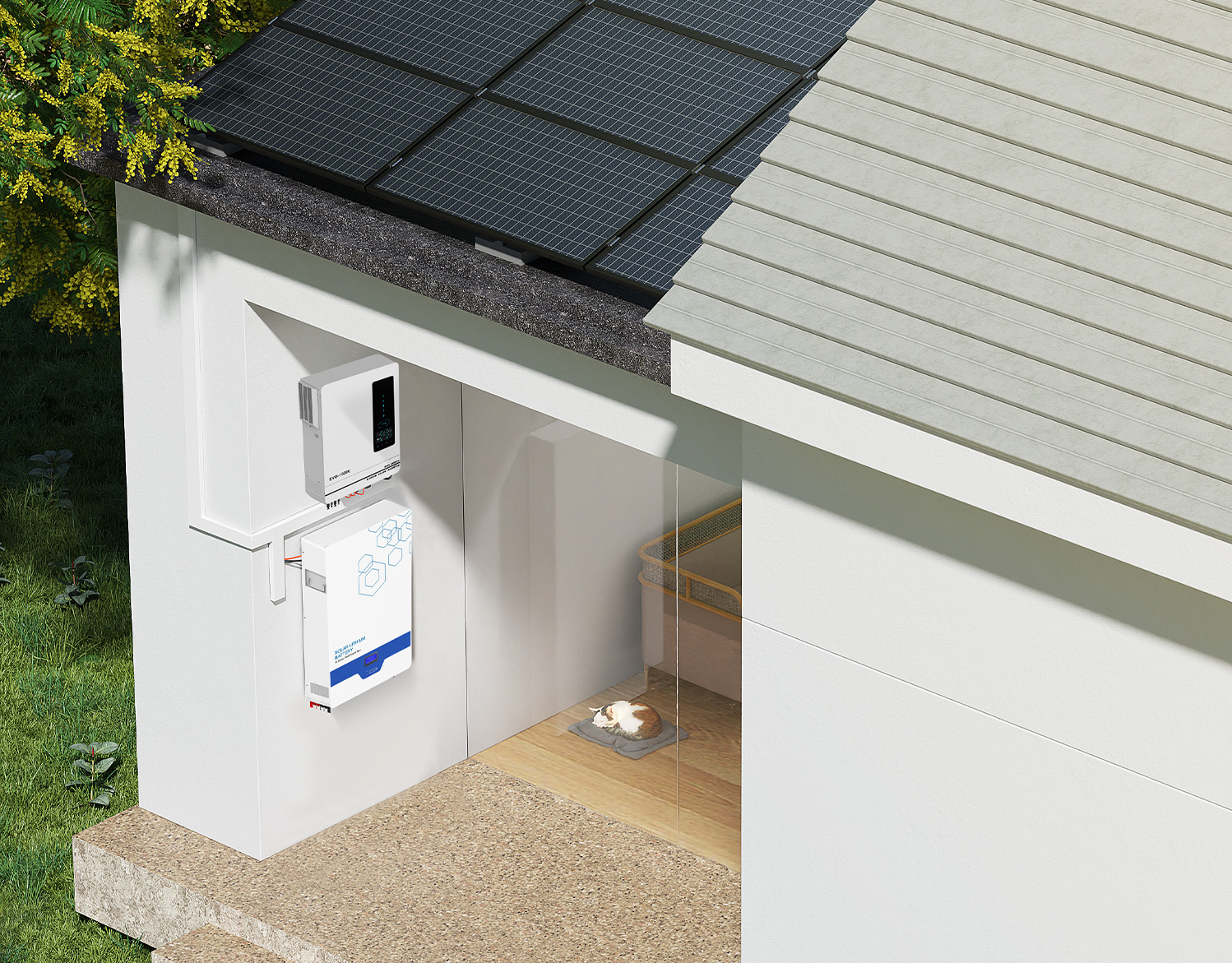
Another key factor to consider when selecting an inverter is the voltage. The output voltage of the inverter must match the operating voltage of the devices or appliances you plan to connect. AC voltage standards are typically 120V or 240V, depending on your region and the appliances in use.
Ensuring that the inverter's output voltage is appropriate for your devices is crucial to prevent any damage or malfunction due to voltage incompatibility.

Other essential factors to consider when selecting an inverter are cost and quality. Inverters come in various types, with prices ranging from a few hundred to several thousand dollars. While lower-priced inverters may be tempting, their quality and reliability are often uncertain. Generally, high-quality inverters offer better conversion efficiency and greater durability.
When choosing the right solar inverter, it's important to look beyond just the price. Consider the brand's reputation, customer reviews, and the warranty period. A high-quality inverter can reduce maintenance costs and the frequency of replacements, thereby enhancing overall economic benefits in the long term.
As a core component with extremely intelligent characteristics in the entire photovoltaic industry chain, the inverter is the only photovoltaic system that has multiple digital functions and is directly connected to the power grid. When choosing Pure Sine Wave Inverter for your project, Anern stands out as a reliable name.
Established in 2009, Anern has been adhering to the concept of continuous self-transcendence and seeking common growth. Committed to making the world better with green energy solutions, efficient lighting, and energy-saving solar inverter technologies.
Through innovative technology, advanced production equipment and an excellent R&D team, Anern has provided high-quality solar energy products and satisfactory services to more than 10,000 users around the world.
AN-SCI-ES is a pure sine wave multi-function inverter that integrates the functions of an inverter, solar charger and battery charger to provide uninterrupted power support in a portable size. Built-in dustproof kit, suitable for various harsh environments. Its LCD display provides easy-to-use button operation and is user configurable via its buttons. AN-SCI-ES is widely used to power various electrical appliances in homes or office environments.
Pure Sine Hybrid Inverter User Manual
Case studies:
Deployment of 50 Anern 10.2kW Off-Grid Solar Systems for Residential Use in Ukraine
400 Sets of MPPT Hybrid Solar Inverters for Commercial Buildings in Lebanon
Videos:
https://www.anern.com/video/an-sci02-plus.html
Model | AN-SCI-ES-1000 | AN-SCI-ES-1500 |
RATED POWER | 1000W/1000VA | 1500W/1500VA |
Voltage | 230VAC | |
Frequency Range | 50 Hz/60Hz (Auto sensing) | |
AC Voltage Regulation | 230VAC±5% | |
Maximum Charge Current | 20A | |
Surge Power | 2000VA | 3000VA |
Battery Voltage | 12VDC | 24VDC |
Maximum AC Charge Current | 40A | |
Maximum PV Array Power | 550W | 1080W |
| Dimension, D*W*H (mm) | 286*240*91 | 286*240*91 |
Net Weight (kgs) | 3 | 3.5 |
Pure sine wave solar inverter:
Built in 40A MPPT solar charger
PV input voltage range 20-150VDC (for 1000W),30-150VDC(for 1500W)
LCD Display:
Clearly indicates load status, operating data and working status, while providing easy-to-use button operation that can be configured by the user.
Multiple Electronic Protections:
Short circuit protection.
Overvoltage and under voltage protection, overload protection.
Overheat/short circuit automatic restart.
Capable of Lasting Operation:
Adopting a smart charger design with built-in advanced power management chips and algorithms to maximize battery life.
A pure sine wave inverter converts DC electricity from batteries or solar panels into AC power with a smooth waveform identical to utility grid electricity. This clean power is compatible with almost all appliances and electronic devices.Pure sine wave inverters generate a smooth, grid-quality AC power, whereas modified sine wave inverters produce a more irregular output. Pure sine wave inverters are crucial for sensitive electronics, as they minimize noise and enhance the longevity of devices.
The main difference is power quality. A pure sine wave inverter produces smooth and stable electricity like grid power, while a modified sine wave inverter produces a stepped waveform that may cause noise, reduced efficiency, or compatibility issues with some devices.
Yes. Pure sine wave inverters are commonly used in solar power systems because they deliver stable AC power that is compatible with household appliances, such as microwaves and refrigerators, as well as with sensitive electronic devices.
Yes. Although they cost more than modified sine wave inverters, they provide better compatibility, efficiency, and protection for electronic devices.
Most modern pure sine wave inverters have efficiencies between 85% and 95%, depending on the model and operating conditions.
A high-quality pure sine wave inverter typically lasts 8 to 15 years, depending on usage conditions, temperature, and maintenance.
Pure sine wave inverters generate a smooth, grid-quality AC power, whereas modified sine wave inverters produce a more irregular output. Pure sine wave inverters are crucial for sensitive electronics, as they minimize noise and enhance the longevity of devices.
Pure sine wave inverters provide greater efficiency, improved compatibility with sensitive electronics, increased protection against power surges, and enhanced reliability. These features make them perfect for both off-grid and grid-tied solar installations.
The required inverter size depends on the total wattage of the appliances you want to power. Add the wattage of all devices and include a 20–30% safety margin to choose the correct inverter capacity.
Yes, but ensure the inverter's voltage matches your battery system. Common combinations are 12V, 24V, or 48V systems. Compatibility with other renewable energy sources should also be considered if you plan to expand.
Regular maintenance involves checking connections, cleaning dust from vents, and monitoring performance. Annual professional inspections can help ensure longevity and efficiency.