EN
EN
 fr
fr  de
de  es
es  it
it  ru
ru  pt
pt  ar
ar  ms
ms  id
id 

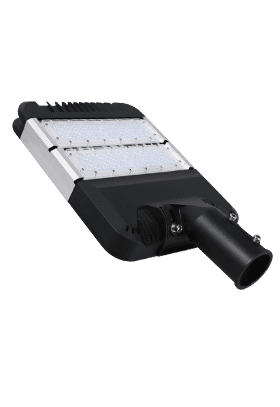
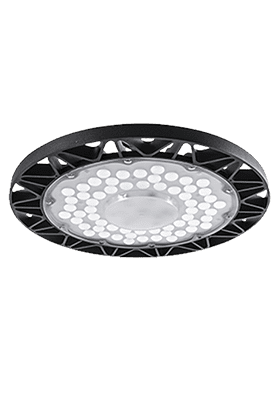
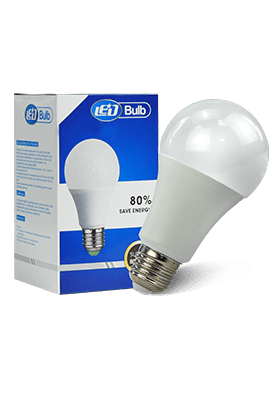
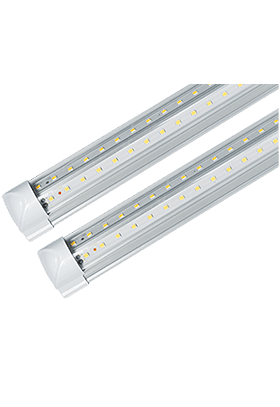



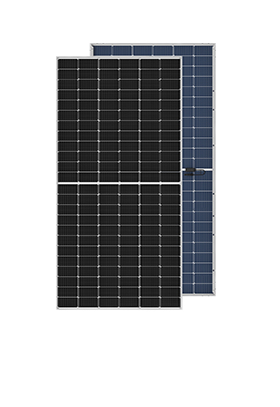
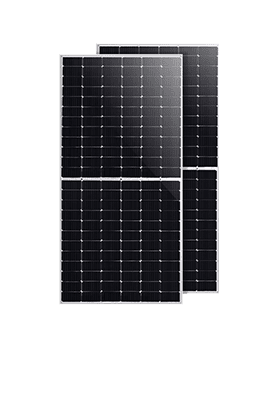
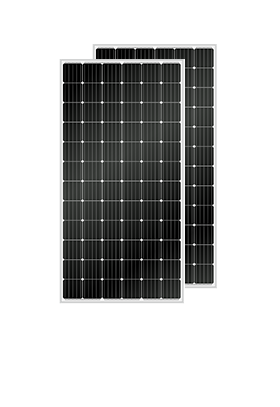
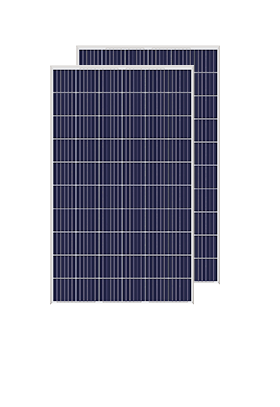




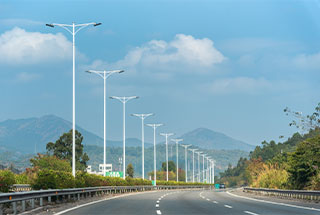
We have cooperated with more than 200 countries in solar energy projects and road lighting projects. We have exported products to many countries and participated in many important government projects around the world.



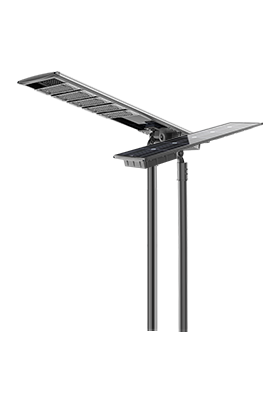


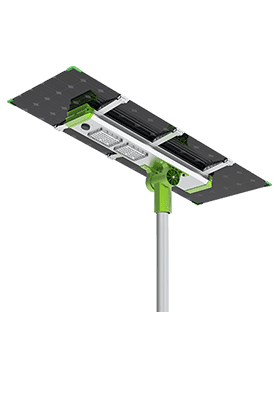
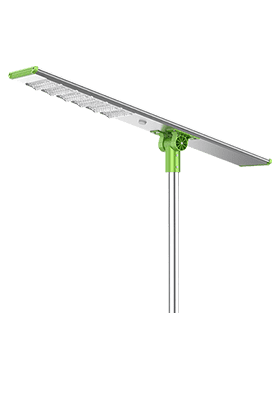
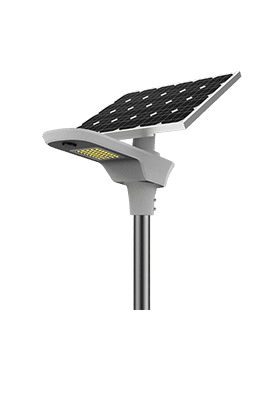


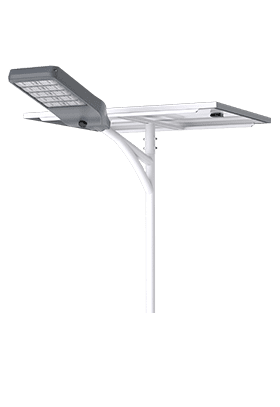
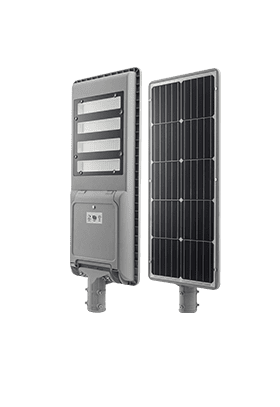
We have cooperated with more than 200 countries in solar energy projects and road lighting projects. We have exported products to many countries and participated in many important government projects around the world.

Anern has 17 years of experience in solar lighting and solar product manufacturing. Anern is headquartered in Guangzhou. With a production base of 7,000 square meters, our company has an R&D team of more than 100 people.
This installation guide provides a comprehensive and standardized reference for installing Anern Solar Power Systems, including off-grid solar systems, hybrid solar systems, energy storage systems (ESS), MPPT solar charge controllers, and portable solar storage solutions. It is intended for professional installers, EPC contractors, distributors, and technical support teams.
An Anern solar power system is an integrated energy solution that combines solar panels, inverters, charge controllers, and battery storage to provide stable and reliable electricity for residential, commercial, and industrial applications. These systems can operate in off-grid, hybrid, or backup configurations depending on project requirements.
Installation must be carried out by qualified personnel only.
Disconnect all AC and DC power sources before installation or maintenance.
Follow all local electrical codes, standards, and regulations.
Do not short-circuit battery terminals or reverse polarity.
Ensure proper grounding of all system components.
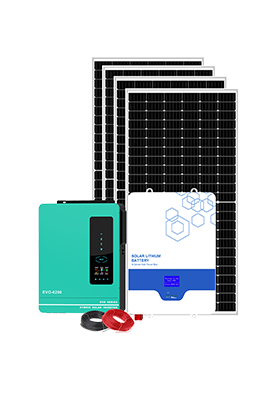
A typical Anern solar power system includes:
Solar panels (PV array)
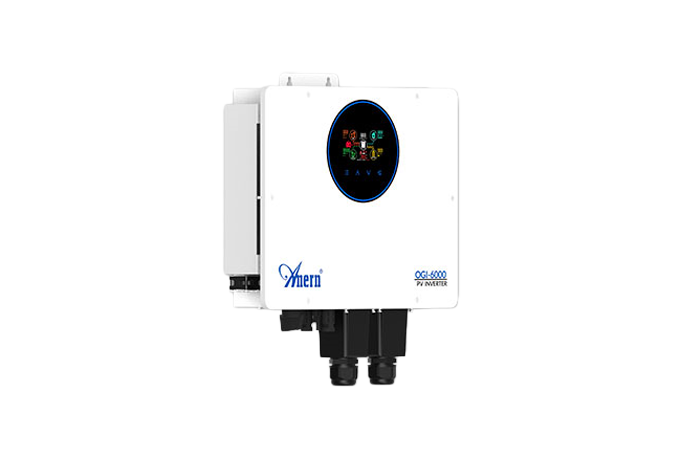
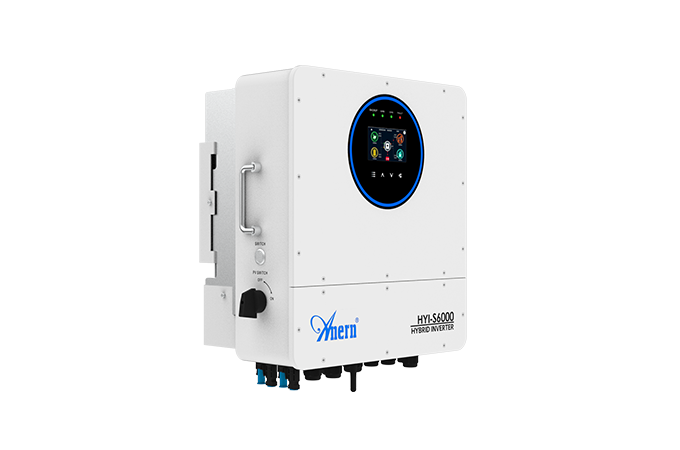
Solar inverter or inverter-charger
MPPT solar charge controller (if applicable)
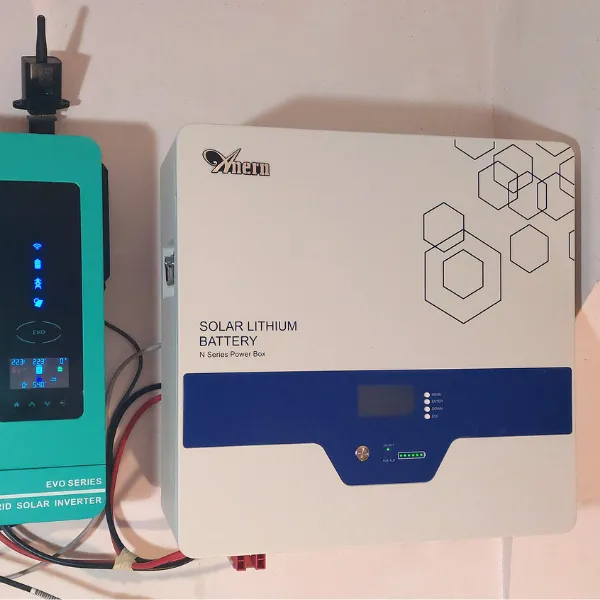
Battery bank (lead-acid or lithium)
AC distribution box and electrical loads
DC protection devices (breakers, fuses)
Monitoring or communication modules (optional)
Install equipment in a dry, well-ventilated, dust-free location.
Avoid direct sunlight, rain, moisture, and corrosive environments.
Maintain a minimum clearance of 30 cm around equipment for ventilation and maintenance.
Recommended ambient operating temperature: 0°C to 40°C (unless otherwise specified).
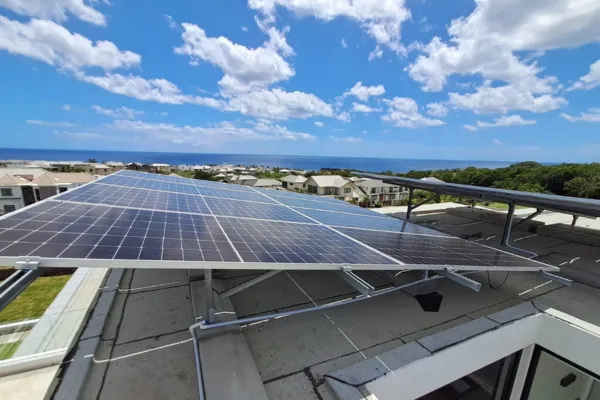
Install panels facing the equator (south-facing in the northern hemisphere, north-facing in the southern hemisphere).
Ensure panels are free from shading throughout the day.
Use strong mounting structures and corrosion-resistant fasteners.
Mount the inverter or ESS on a solid, non-flammable wall or stable floor.
Install vertically to ensure proper heat dissipation.
Keep away from heat sources and flammable materials.
Install close to the battery bank to minimize voltage drop.
Mount on a vertical surface with sufficient airflow.
Correct wiring order is essential:
Connect battery to inverter or charge controller
Connect AC output and loads
Connect solar panels (PV array)
Failure to follow this sequence may cause equipment damage.
Verify battery voltage matches system requirements.
Install DC breakers or fuses between battery and equipment.
Use short, thick cables to reduce voltage loss.
For lithium batteries, connect BMS communication cables if required.
Ensure PV open-circuit voltage does not exceed system limits.
Connect panels in series or parallel according to system design.
Install a PV DC isolator or breaker for safety.
Install external AC breakers for both input and output.
Ensure correct wiring of Live (L), Neutral (N), and Earth (PE).
Do not connect AC output directly to the grid unless the system supports grid connection.
Properly ground all system components.
Use surge protection devices where required.
Ensure over-current protection on both DC and AC sides.
Set system voltage according to battery type.
Configure battery type (lead-acid or lithium).
Adjust charging and discharging parameters.
Set inverter operating mode (solar priority, battery priority, mains priority, etc.).
Before powering on:
Confirm all wiring connections are secure and correct.
Ensure all breakers are in the OFF position.
Power-on sequence:
Turn on battery breaker
Turn on inverter or charge controller
Turn on PV breaker
Turn on AC input breaker (if applicable)
Check system status via LCD display or indicators.
Clean solar panels regularly to maintain efficiency.
Periodically inspect cables, terminals, and breakers.
Keep ventilation openings unobstructed.
During long-term shutdown, disconnect PV, battery, and AC power.
System performance may be reduced during extended cloudy or rainy periods.
Battery capacity and load demand must be properly matched.
Always refer to specific product manuals for detailed parameters and advanced settings.
To check solar panel maintenance guide.
.webp)
.webp)
Only qualified electricians, certified solar installers, or trained EPC professionals are permitted to install Anern solar power systems.
Yes. Anern systems support off-grid operation and can also work in hybrid configurations with grid backup.
Incorrect connection order may cause inverter or controller damage due to unstable voltage or current surge
No. Different battery types must not be mixed within the same system due to different charging characteristics.
Check battery voltage, wiring polarity, breaker status, and inverter settings. If the issue persists, contact Anern technical support.
Yes. Improper installation or failure to follow this guide may void the product warranty.