EN
EN
 fr
fr  de
de  es
es  it
it  ru
ru  pt
pt  ar
ar  ms
ms  id
id 






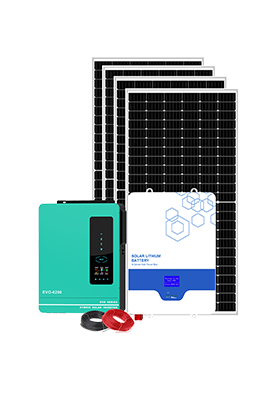



We have cooperated with more than 200 countries in solar energy projects and road lighting projects. We have exported products to many countries and participated in many important government projects around the world.





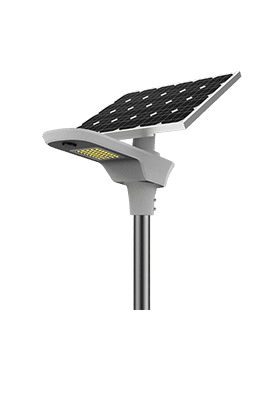


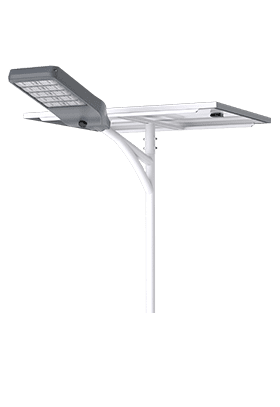
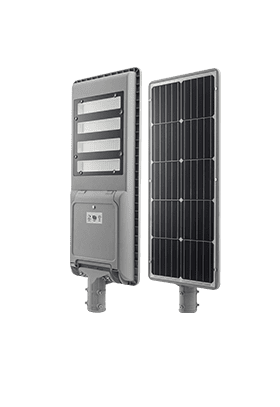
We have cooperated with more than 200 countries in solar energy projects and road lighting projects. We have exported products to many countries and participated in many important government projects around the world.

Anern has 17 years of experience in solar lighting and solar product manufacturing. Anern is headquartered in Guangzhou. With a production base of 7,000 square meters, our company has an R&D team of more than 100 people.
Anern solar lithium battery systems are advanced energy storage solutions designed for residential, commercial, and industrial solar applications. They are engineered to work seamlessly with solar inverters and energy management systems, providing stable power storage, intelligent BMS protection, and long service life.
This installation guide explains where, how, and by whom Anern lithium batteries should be installed to ensure:
Electrical safety
Optimal system performance
Compliance with warranty and regulatory requirements
Important: This guide is intended for professional installers only. End users should not attempt installation without certified technical support.
All Anern solar lithium battery installations must be performed by qualified professionals, including:
Certified electricians
Licensed solar PV installers
Trained ESS system integrators
Professional installation ensures:
Correct electrical wiring and polarity
Proper inverter–battery communication
Compliance with local electrical codes
Protection of product warranty
Choosing the correct installation environment is critical for safety, performance, and battery lifespan.
Indoor installation strongly recommended
Dry, clean, and well-ventilated area
Free from corrosive gases, flammable materials, or chemical vapors
Avoid direct sunlight and heat sources
Minimum clearance: ≥ 30 cm on all sides
Ensure unobstructed airflow for cooling and maintenance access
| Parameter | Requirement |
| Discharge Temperature | -20°C to 60°C |
| Charge Temperature | 0°C to 55°C |
| Storage Temperature | -20°C to 45°C |
| Relative Humidity | ≤ 90% (non-condensing) |
Before installation, ensure all safety procedures are followed.
Insulated electrical gloves
Safety shoes
Protective goggles
Disconnect all power sources before wiring
Use insulated tools only
Never short-circuit battery terminals
Always connect grounding first
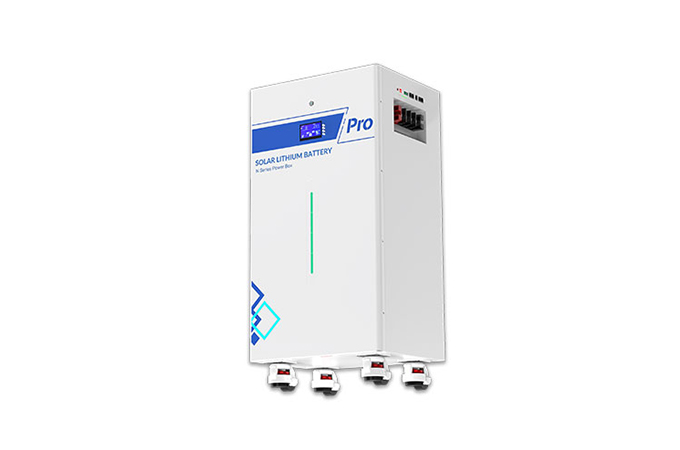
Applicable Models: Nplus Series / Npro Series
Voltage Options: 24V / 48V / 51.2V
Installation Steps:
1. Fix the mounting bracket securely to a load-bearing wall
2. Hang the battery unit onto the bracket
3. Lock the battery in place to prevent movement
4. Connect protective grounding
Recommended For: Residential solar systems and small commercial installations.
Applicable Systems: 48V 300Ah lithium battery systems
Installation Steps:
1. Place the battery on a flat, solid, and vibration-free surface
2. Ensure anti-tilt stability
3. Maintain sufficient ventilation clearance
Recommended For: Medium-sized energy storage systems.
Applicable Systems:
AN-ESS Series – 60kWh / 114kWh / 215kWh
Installation Steps:
1. Secure the battery rack firmly to the floor
2. Install battery modules from bottom to top
3. Connect the high-voltage box and BMS system
4. Connect to PCS or compatible inverter
Recommended For: Commercial & industrial ESS projects.
Correct wiring is essential for system stability and safety.
Verify correct DC polarity before connection
Install DC breakers or fuses as required
Use cable sizes recommended by Anern technical specifications
Connect BMS communication cables
Supported protocols: CAN / RS485
Confirm stable communication between battery and inverter
After wiring, configure the inverter properly.
Select Lithium Battery as battery type
Set charging voltage and cut-off voltage
Configure current limits according to battery specifications
Confirm inverter–battery communication status
Incorrect inverter parameters may cause battery alarms, reduced lifespan, or system shutdown.
Follow this sequence strictly to avoid system damage:
1. Ensure all loads are OFF
2. Turn Battery Breaker ON
3. Power Inverter ON
4. Connect PV / Grid input
5. Switch loads ON gradually
Before system handover, confirm the following:
l Battery securely installed
l Grounding properly connected
l No alarms or fault codes present
l Cooling and ventilation unobstructed
l Communication status (online)
Improper installation, unauthorized operation, or failure to follow this guide may result in:
System malfunction
Electrical safety risks
Warranty invalidation
For warranty protection and long-term system reliability, always follow Anern's official installation guidelines or contact authorized technical support. Check solar lithium battery maintenance guide.
.webp)
.webp)
.webp)
Anern solar lithium batteries are designed primarily for indoor installation. Outdoor installation is not recommended unless a certified weatherproof enclosure is used and all environmental requirements (temperature, humidity, ventilation) are strictly met. Direct exposure to sunlight, rain, or extreme temperatures may reduce battery lifespan and invalidate the warranty.
Installation must be performed by qualified professionals only, such as licensed electricians or certified solar installers. Unauthorized installation by untrained personnel may cause safety hazards, system failure, or warranty invalidation.
A minimum clearance of 30 cm on all sides is required to ensure proper ventilation, heat dissipation, and maintenance access. Insufficient clearance may lead to overheating or performance degradation.
Anern lithium batteries connect to solar inverters through:
DC power cables (ensure correct polarity)
BMS communication cables using CAN or RS485
After wiring, the inverter must be configured to Lithium Battery mode, with correct voltage and current parameters according to Anern technical specifications.
Incorrect inverter settings may result in:
Battery communication failure
System alarms or fault codes
Reduced battery lifespan
Automatic system shutdown
Always follow Anern's recommended inverter configuration values.
The correct startup sequence is:
All loads OFF
Battery breaker ON
Inverter ON
PV or grid input ON
Loads ON gradually
Following this sequence helps prevent inverter or battery damage.
Yes. Anern lithium batteries support scalable configurations, including:
Parallel connection for higher capacity
Rack-mounted systems
High-voltage ESS solutions (AN-ESS series)
System design and expansion should be handled by professional ESS integrators.
Yes. Improper installation, unauthorized modification, or failure to follow official installation guidelines may void the product warranty. For warranty compliance, always use certified installers and approved components.