EN
EN
 fr
fr  de
de  es
es  it
it  ru
ru  pt
pt  ar
ar  ms
ms  id
id 

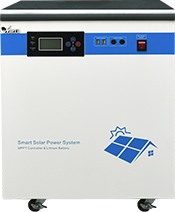


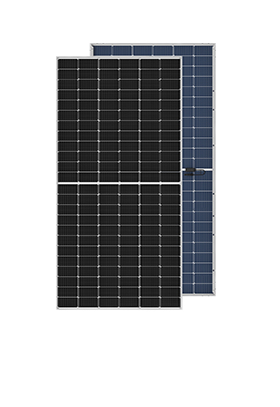
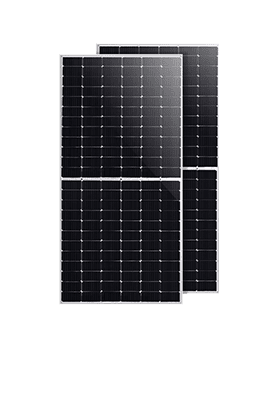
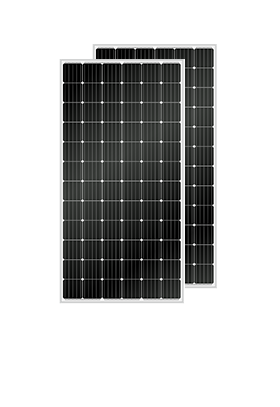
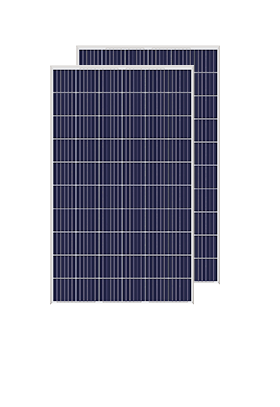


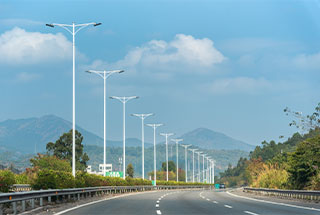
We have cooperated with more than 200 countries in solar energy projects and road lighting projects. We have exported products to many countries and participated in many important government projects around the world.




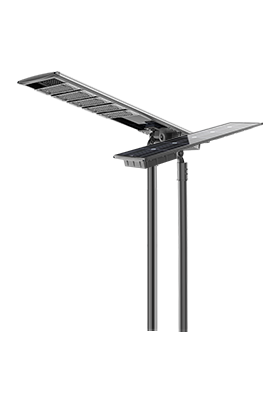


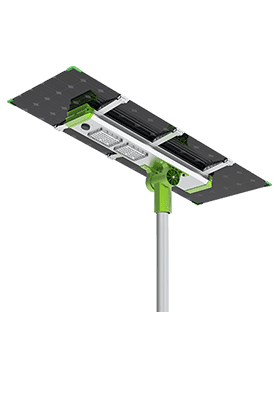
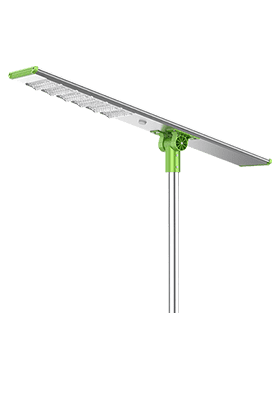
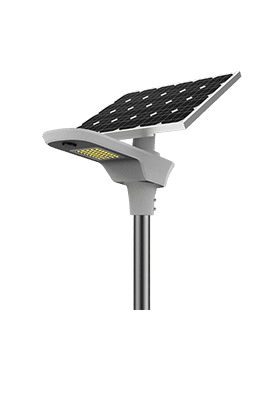


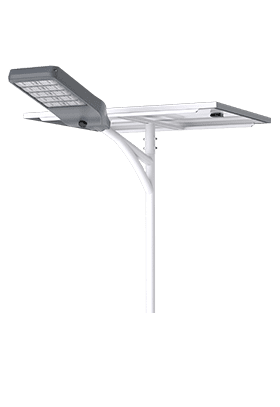
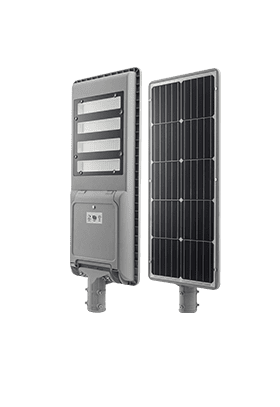
We have cooperated with more than 200 countries in solar energy projects and road lighting projects. We have exported products to many countries and participated in many important government projects around the world.
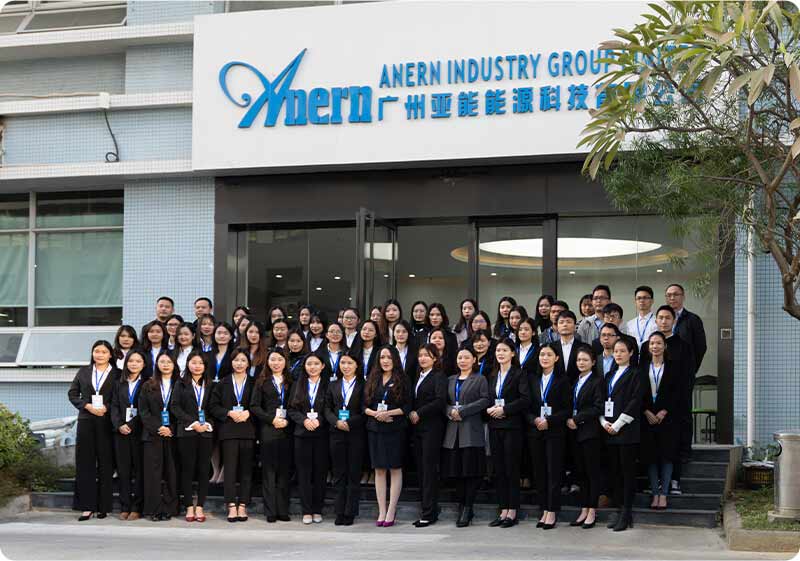
Anern has 17 years of experience in solar lighting and solar product manufacturing. Anern is headquartered in Guangzhou. With a production base of 30,000 square meters, our company has an R&D team of more than 100 people.
Reducing costs and increasing efficiency, and maximizing self-consumption are important purposes for industrial and commercial enterprises when choosing to install photovoltaic power stations. And as the core equipment of photovoltaic power stations, the selection and configuration of the smart hybrid inverterare directly related to the stable operation and capacity benefits of the photovoltaic power stations, so careful selection is required.
Here, the power refers to the rated output power. Generally, the total capacity of an industrial and commercial power station ranges from hundreds ofkW~tens ofMW. If you select an smart hybrid inverter with a smaller rated output power, it will not only greatly increase the number of machines but also increase the cost of cables, distribution facilities, and construction accordingly.
For example: for a1MW photovoltaic power station, using 125kW string inverters requires only 8 units; whereas using 100kW string inverters requires 10 units. Even without considering the price difference, fewer inverters greatly save costs and installation and maintenance expenses.
In recent years, with the technological update and iteration of photovoltaic modules,182mm and 210mm large-current high-power modules have become mainstream. The operating current of 182 modules is generally between 13.1~13.9A, and the operating current of 210 modules is generally between 17~18A. The operating current of bifacial modules can even reach 20A. Therefore, when selecting smart hybrid inverters or the smart hybrid solar inverter, you need to pay attention to whether the maximum input current per MPPT can match the operating current of the modules, especially for 210 modules and bifacial modules.
In the actual development process of industrial and commercial photovoltaic power stations, factors such as building shading and module dust will cause actual power generation to decrease. Therefore, to achieve optimal system benefits, the module capacity of photovoltaic power stations is usually matched to be slightly larger than the inverter capacity, a situation known as overmatching.
The overmatching capability of smart hybrid inverters is generally related to the number of input channels and the maximum DC input current it can bear. When selecting the power of the inverter, the module to inverter capacity ratio should be within the range of 1.1-1.3. You can refer to the recommended capacity ratio for different regions and choose according to actual needs.
As the proportion of new energy generation increases, grid connection performance will directly affect the safe operation of the grid. Therefore, whether the photovoltaic power station chooses "completely self-generated and self-used," "self-generated and self-used, surplus electricity connected to the grid," or "full grid connection" mode, the grid friendliness of the equipment needs to be considered.
The above are several key aspects that need to be considered when selecting smart hybrid inverters for industrial and commercial photovoltaic power stations. In actual application, users can refer to and flexibly apply them according to their needs.